Post Your Needs

Pannonia Forelle Marble

Red - Marble

Hungary

About

Item Details

Material Type:
Marble
Origin:
Hungary (Tardos, Komárom-Esztergom Megye, Transdanubia)
Primary Color(s):
Red
Recommended Usage:
Kitchen and bathroom countertops, wash basins, building stone, ornamental stone, stairs, interior, exterior wall and floor applications, mosaic, waterjet pattern, wall panels, table tops, balustrades, columns, wall and pool copings, pool pavers, fireplaces
Additional Names:
Pannonia Forelle Red Limestone, Tardos Panonia Limestone, Tardos Marmor, Hungarian Pannonia Red Limestone, Tardos Rot Danubia Marble, Rosso Tardos Marble, Tardos Red Limestone, Rosso Verona Hungaria Marmor, Pannonia Forelle Limestone, Pannonia Forelle Red Marble, Pannonia Red Limestone, Pannonia Forelle, Pannonia Forelle Marble
Finished Surface:
Polished,Bush Hammered,Tumbled,Brushed,Honed,Split,Machine Cut,Natural Surface,Sandblasted,Acid Washing,Combed,Leathered,Water Jet,Filled,Chiseled,Pickling

Testing

Water Absorption:
0.11 By weight %
Density:
2680 kg/m³
Flexural Strength:
9.0 - 11.0 MPa
Compressive Strength:
160 - 180 MPa

Description

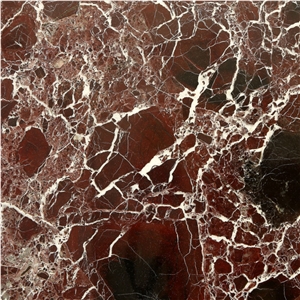
Pannonia Forelle Marble is a distinctive natural stone known for its vibrant and earthy aesthetic. It is quarried in the region of Tardos, Komárom-Esztergom Megye, Transdanubia, Hungary. The marble features a rich red-brown to terracotta base that is interspersed with light beige to cream-colored fossil inclusions reminiscent of fish roe, hence the name "Forelle," which is German for "trout." The presence of thin, dark brown to black calcite veins and fissures accentuates the stone's base color and creates a dramatic contrast. This stone's organic and lively appearance makes it an excellent choice for creating feature surfaces that are both unique and visually striking. When polished, Forelle Marble’s texture and depth are further enhanced, presenting a surface that captures both light and attention.

Physical and Mechanical Properties

  • Water Absorption: 0.11% by weight
  • Density: 2680 kg/m³
  • Flexural Strength: 9.0 - 11.0 MPa
  • Compressive Strength: 160 - 180 MPa
  • Hardness: Moderate (typically around 3-5 on the Mohs scale for marbles)
  • Porosity: Low to moderate, contributing to its durability
  • Slip Resistance: Moderate slip resistance; caution advised for wet areas (slip resistance can be improved with specific finishes or treatments)

Chemical and Mineral Compositions

  • Calcium Carbonate (CaCO3): Predominantly the main component
  • Silicates & Alumina: Minor quantities
  • Iron Oxides: Present, contributing to the red-brown color
  • Other Minerals: Trace amounts of other minerals typical in marble

Usage and Applications

  • Interior Flooring: Impressive for living rooms, foyers, and corridors
  • Wall Cladding: Adds elegance to feature walls and panels
  • Bathroom Vanities: Suitable for countertops and backsplash
  • Fireplace Surrounds: Enhances warmth and character
  • Accent Pieces: Can be used for tabletops, sculptures, and furniture inlays

Maintenance

  • Regular Cleaning: Use a pH-neutral cleaner; avoid acidic or abrasive cleaning agents.
  • Sealing: Periodic sealing recommended to protect against stains and enhance longevity.
  • Polishing: Regular polishing can maintain its glossy surface.

Cutting Sizes

  • Common Tile Sizes: 30x30 cm, 30x60 cm, and 60x60 cm
  • Slabs: Typically available in custom sizes depending on project requirements

Surface Finish Options

  • Polished: Enhances color, veining, and natural brilliance
  • Honed: Offers a smooth, matte surface with subdued color
  • Brushed: Textured finish that enhances slip resistance
  • Tumbled: Provides an aged, rustic appearance

Pannonia Forelle Marble is a versatile and visually captivating material suitable for a range of decorative interior uses. Its inherent beauty combined with its robust physical properties makes it an ideal choice for those seeking a unique and elegant natural stone option.

FAQ

Can Hungary's Pannonia Forelle Limestone be used in wall coverings?

Yes, Hungarys Pannonia Forelle Limestone can be used as a material for wall coverings. Limestone is a durable and versatile natural stone that can be cut and finished in different ways to create unique and attractive wall surfaces. Its natural beauty, as well as its ability to withstand wear and tear, make it a popular choice for wall coverings in both interior and exterior applications. However, the specific suitability of Pannonia Forelle Limestone for wall coverings would depend on factors such as its color, texture, thickness, and availability in appropriate sizes for installation.

Can Hungary's Pannonia Forelle Limestone be used exterior applications in very humid climates?

The Pannonia Forelle Limestone can generally be used for exterior applications in humid climates. However, it is essential to consider the specific characteristics of the stone and the level of humidity in the environment. Pannonia Forelle Limestone is a type of limestone that is known for its durability and resistance to weathering. It has been used for various exterior applications like facades, paving, and landscaping in different regions. In humid climates, where moisture levels are high and frequent rainfall occurs, it is crucial to choose a limestone with low water absorption characteristics. Pannonia Forelle Limestone has a relatively low water absorption rate, which makes it suitable for humid environments as it will not easily absorb moisture and become prone to damage. However, despite the limestones durability, it is still essential to professionally install and maintain the stone properly, regardless of the climate. Regular cleaning, sealing, and maintenance can help to prevent any issues that may arise from environmental factors such as humidity, rain, or temperature changes. Ultimately, consulting with a local professional or supplier who has experience with the specific limestone and the climatic conditions in your area can provide a more accurate assessment and guidance on using the Pannonia Forelle Limestone for exterior applications in a very humid climate.

How thick is Hungary's Pannonia Forelle Limestone slabs?

The thickness of Hungarys Pannonia Forelle Limestone slabs can vary depending on the specific application and order requirements. However, commonly available thicknesses for these slabs range from 2 cm (0.79 inches) to 3 cm (1.18 inches). It is always recommended to check with the supplier or manufacturer for the precise thickness options available.

Can Hungary's Pannonia Forelle Limestone be used in a dining room?

Yes, Hungarys Pannonia Forelle Limestone can be used in a dining room. Limestone is a durable and versatile material that can be used for various applications, including flooring, countertops, and wall cladding. Pannonia Forelle Limestone is known for its subtle beige and gray tones with occasional fossil markings, making it a stylish and elegant choice for a dining room. It can be used as flooring or as a feature wall, adding a natural and sophisticated touch to the space.

Are there color variations of Hungary's Pannonia Forelle Limestone?

Yes, there are color variations of Hungarys Pannonia Forelle Limestone. The limestone typically comes in light gray or beige tones, but it can also exhibit variations such as darker gray patches, veining, or fossil markings. These natural variations in color and pattern are common in sedimentary stones like limestone and add to the unique aesthetic appeal of the material.

Can Hungary's Pannonia Forelle Limestone be used outdoors?

I do not have information regarding the specific use cases or characteristics of materials. However, in general, the suitability of limestone for outdoor use depends on several factors such as the type of limestone, its porosity, durability, and weathering resistance. It is recommended to consult with a professional or refer to the material specifications before using any limestone for outdoor purposes.

Is Hungary's Pannonia Forelle Limestone an expensive stone?

I do not have access to real-time market pricing information. However, Pannonia Forelle Limestone is generally considered a medium to high-end stone, which means it may be more expensive than some other types of stones. The price of the stone may also depend on factors such as the size, thickness, finish, and location of the supplier. It is best to check with a local supplier or contractor for a more accurate price estimate.

Hot Red Marble

New Marble

Post Your Request

The request includes:
  1. surface finished, size
  2. quantity required