Post Your Needs

Patek Phili Marble

Marble

China

About

Item Details

Material Type:
Marble
Origin:
China
Recommended Usage:
Kitchen and bathroom countertops, wash basins, building stone, ornamental stone, stairs, interior, exterior wall and floor applications, mosaic, waterjet pattern, wall panels, table tops, balustrades, columns, wall and pool copings, pool pavers, sculptures, fireplaces
Additional Names:
Patek Philippe Marble, in China stone market:百达翡丽(Bǎi Dá Fěi Lì)
Finished Surface:
Polished,Bush Hammered,Tumbled,Brushed,Honed,Split,Machine Cut,Natural Surface,Sandblasted,Acid Washing,Combed,Leathered,Water Jet,Filled,Chiseled,Pickling

Testing

Water Absorption:
0.20–0.40 %
Density:
2680–2720 kg/m³
Flexural Strength:
12–20 MPa
Compressive Strength:
100–140 MPa

Description

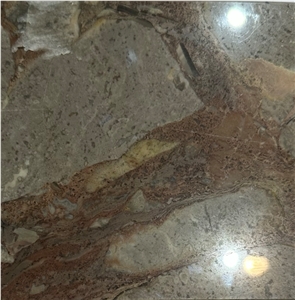
Patek Phili Marble is a striking natural stone distinguished by its warm, earthy elegance and expressive veining. Quarried in China, this marble is valued for its rich visual depth and artistic movement, making it a strong choice for statement interiors.

Appearance & Color

Base Color:

  • Warm, muted beige to light brown foundation
  • Soft, natural tone that provides warmth and balance

Veining & Pattern:

  • Dramatic, irregular veining in deep reddish-brown, rust, and subtle yellow–golden hues
  • Veins flow organically across the surface
  • Painterly, expressive movement with strong character
  • Each slab is unique, ideal for feature applications
  • The overall aesthetic is bold yet refined, combining natural warmth with dynamic contrast.

Texture & Structure

  • Medium crystalline marble texture
  • Compact and relatively dense structure
  • Smooth surface when polished
  • Veining appears layered and fluid, enhancing depth

Physical & Mechanical Properties (Typical Values)

  • Bulk Density: 2680–2720 kg/m³
  • Water Absorption: 0.20–0.40 %
  • Open Porosity: 0.5–1.2 %
  • Compressive Strength: 100–140 MPa
  • Flexural Strength: 12–20 MPa
  • Indirect Tensile Strength: 8–12 MPa
  • Abrasion Resistance: Medium
  • Impact Resistance: Good
  • Mohs Hardness: 3–4
  • Linear Thermal Expansion: 5.0–6.5 × 10⁻⁶ /°C

(Values may vary depending on quarry layer and block selection.)

Mineral Composition (% by weight)

  • Calcite (CaCO₃): 85–92 %
  • Dolomite: 2–6 %
  • Quartz: 1–3 %
  • Iron oxides (responsible for red/rust tones): 1–3 %
  • Trace minerals: <1 %

Chemical Composition (% by weight)

  • CaCO₃: 90–95 %
  • MgCO₃: 1–3 %
  • SiO₂: 1–2 %
  • Fe₂O₃: 0.3–1.0 %
  • Al₂O₃: <0.5 %

Applications

Interior Applications:

  • Feature walls
  • Luxury flooring
  • Fireplace surrounds
  • Bathroom walls and vanity tops
  • Reception desks
  • Decorative panels and book-matched installations
  • Best suited for interior use where its dramatic veining can be showcased.

Surface Finish Options

  • Polished (enhances color contrast and veining depth)
  • Honed (soft, contemporary matte look)
  • Leathered (textured, natural feel)
  • Brushed
  • Sandblasted
  • Machine-cut
  • Waterjet for custom patterns 

Maintenance Guidelines

  • Seal with a high-quality penetrating sealer before use
  • Clean with pH-neutral stone cleaners only
  • Avoid acidic substances and abrasive tools
  • Wipe spills promptly to prevent staining
  • Periodic resealing recommended depending on traffic

Key Characteristics

  • Warm, earthy color palette
  • Strong artistic veining with painterly movement
  • Excellent for statement and feature designs
  • Natural variation ensures exclusivity

FAQ

Can polished finish Patek Phili Marble be used for pool coping?

Using polished finish Patek Philippe Marble for pool coping is not generally recommended. Polished marble surfaces can become very slippery when wet, making them unsafe for pool areas where people are likely to walk with wet feet. For pool coping, it is typically better to use materials that provide some grip, such as honed or textured finishes, to minimize the risk of slipping and ensure safety around the pool. Additionally, marble is a porous stone and can be susceptible to staining and damage from pool chemicals if not properly sealed and maintained. Its important to choose a material that balances aesthetics with functionality and safety for pool environments.

Can 1.8cm thick Patek Phili Marble be used as a kitchen countertop?

When considering using 1.8 cm thick Patek Philippe marble as a kitchen countertop, there are several important factors to consider: 1. **Thickness**: Typically, kitchen countertops are thicker for durability and to withstand day-to-day use. Common thicknesses are around 3 cm (1.18 inches), which provides a more robust surface. A 1.8 cm (approximately 0.71 inches) thick marble may require additional support or backing to ensure it doesnt crack or break under heavy use. 2. **Durability**: Marble is a relatively soft and porous stone compared to other materials like granite or quartz. It can be prone to scratching, etching from acidic substances, and staining if not properly sealed and maintained. In a kitchen setting, these vulnerabilities might present challenges. 3. **Support**: Given the thinner profile, reinforcing the countertop with plywood or another type of support underneath might be necessary to provide adequate stability and rigidity. 4. **Maintenance**: Marble requires regular sealing and maintenance to protect against stains and damage. Consider whether youre prepared to invest in the upkeep necessary to keep the countertop looking its best. 5. **Aesthetic and Style**: Marble can provide a beautiful and elegant aesthetic that can enhance the look of a kitchen. If this is a major consideration, and youre willing to accommodate the materials limitations, it could be a good option. 6. **Cost**: High-quality marble can be expensive, and if additional reinforcement or specific maintenance is needed, costs may increase. If youre considering this option, consulting with a professional installer or fabricator would be advisable. They can offer guidance on whether additional support is needed and provide maintenance tips to preserve the marbles appearance.

How can I maintain polished finish Patek Phili Marble flooring?

Maintaining a polished finish on Patek Philippe marble flooring involves regular care and attention to preserve its natural luster and prevent damage. Here are some steps you can follow to maintain your marble flooring: 1. **Regular Cleaning:** - **Dust and Sweep:** Frequently dust or sweep the floor with a soft mop or broom to remove dirt and debris that might scratch the surface. - **Damp Mop:** Use a damp mop with warm water to clean the floor. Avoid using too much water as marble is porous and can absorb moisture, leading to stains. 2. **Use Appropriate Cleaners:** - **pH-neutral Cleaners:** Use cleaners specifically designed for marble or stone surfaces. Avoid acidic or alkaline cleaners (like vinegar or ammonia) that can etch or dull the marbles surface. - **Avoid Harsh Chemicals:** Steer clear of abrasive cleaners or scouring pads that can scratch and damage the polish. 3. **Prevent Stains and Scratches:** - **Seal the Marble:** Seal the marble periodically to protect it from stains. The frequency of sealing can vary depending on the amount of foot traffic, but generally, once a year is a good guideline. - **Quick Spill Response:** Wipe spills promptly to prevent them from seeping into the marble and causing stains. Pay special attention to acidic substances like juice, wine, or coffee. 4. **Protect from Direct Damage:** - **Use Mats and Rugs:** Place mats or rugs at entryways to catch dust and grit before they reach the marble. Area rugs can also protect high-traffic areas. - **Furniture Pads:** Use felt pads under furniture legs to prevent scratches from movement. 5. **Polishing:** - **Polish Periodically:** Depending on wear and tear, consider professional polishing every few years to restore shine and address any visible wear. - **DIY Options:** For minor touch-ups, use a marble polishing powder or a buffing compound specifically designed for marble, following the manufacturer’s instructions. 6. **Professional Maintenance:** - **Consult Professionals:** Every few years, consult flooring professionals who can provide a deep clean and professional polishing for optimal maintenance. By following these guidelines, you can maintain the polished finish of your Patek Philippe marble flooring and ensure its beauty for years to come.

Can Patek Phili Marble be used for kitchen countertop?

Patek Philippe is actually a luxury Swiss watch brand and not a type of marble. If you are referring to a specific type of marble that perhaps sounds like Patek Phili, you might want to clarify the name, as it could be misspelled or misheard. In general, marble is a popular choice for kitchen countertops due to its elegant appearance. However, its essential to consider the following points before using marble in the kitchen: 1. **Porosity**: Marble is a porous stone, which means it can absorb liquids and be susceptible to stains. Its crucial to seal marble countertops regularly to protect against spills and stains. 2. **Maintenance**: Marble requires more maintenance than other materials like granite or quartz. Regular sealing and gentle cleaning are necessary to retain its appearance. 3. **Durability**: While marble is durable, it is softer than granite and can be prone to scratches and etching from acidic substances (like lemon juice or vinegar). 4. **Cost**: Marble can be expensive, and the cost can vary based on the type and quality of the marble chosen. 5. **Aesthetic**: Marble offers a timeless and luxurious aesthetic, which is why it is often chosen for high-end kitchens. If you are referring to a specific type of marble, I recommend checking with a local supplier or a professional to understand its suitability as a kitchen countertop material and to ensure proper care and maintenance guidelines.

How can I repair the scratched surface of the Patek Phili Marble steps?

Repairing scratched surfaces on marble steps, especially high-quality ones like the Patek Philippe showroom marble, requires careful attention to avoid further damage. Heres a general procedure you can follow: 1. **Assess the Damage**: Start by examining the extent of the scratches to determine whether the damage is superficial or deeper. 2. **Clean the Surface**: Before starting any repair, clean the marble thoroughly using a pH-neutral cleaner specifically designed for marble. This will remove any dirt or debris that might interfere with the repair process. 3. **Gather Materials**: - Marble polishing powder - Buffing pad or a soft cloth - Electric polisher (if available) - Water - Marble sealant (optional for sealing after repair) 4. **Polishing**: - If the scratches are superficial, you can often buff them out using a marble polishing powder. Mix the powder with enough water to create a paste. - Apply the paste to the scratched area. - Gently buff the surface using a buffing pad or a soft cloth in circular motions. If you have an electric polisher, it will make this process easier and more uniform. - Rinse off the paste and check the progress. You may need to repeat the process several times for deeper scratches. 5. **Deep Scratches**: - For deeper scratches, it might be necessary to use a finer-grit sandpaper or a diamond polishing pad. Start with a higher grit number (e.g., 800) and gradually move to finer ones (e.g., 1500 or 3000). Always wet the sandpaper and the surface while sanding to prevent further scratching. - After sanding, use the polishing powder as described above to restore the shine. 6. **Seal the Marble** (Optional): - Once youve achieved the desired finish, you may wish to apply a marble sealant. This helps protect the surface from future damage. Follow the manufacturer’s instructions for applying the sealant. 7. **Professional Help**: - If the scratches are extensive or you are unsure about handling the repair yourself, consider contacting a professional marble restoration expert. They have the tools and expertise to restore the marble to its original condition safely. Remember to always test any product or technique on an inconspicuous area first to ensure there’s no adverse reaction with the marble.

Is Patek Phili Marble with a polished surface good for house flooring?

Patek Phili Marble can indeed be a visually stunning choice for house flooring due to its unique patterns and luxurious appearance. However, whether it is good for house flooring depends on several factors: 1. **Durability**: Marble is a relatively soft natural stone when compared to granite or quartzite, which means it can be more susceptible to scratches and etching, particularly in high-traffic areas. 2. **Maintenance**: Marble flooring requires regular maintenance to keep its polished surface looking pristine. It can be affected by acidic substances like vinegar or lemon juice, which can cause etching. Its important to seal marble surfaces periodically to help protect against stains and moisture. 3. **Cost**: Marble is generally more expensive than other flooring materials. Besides the material cost, consider the installation cost, which typically requires skilled labor. 4. **Aesthetic**: The polished surface of Patek Phili Marble can add a luxury touch to your home and enhance the visual appeal with its natural veining and color variations. 5. **Slip Resistance**: Polished marble surfaces can be quite slippery, especially when wet. This is important to consider for areas like bathrooms and kitchens. Ultimately, the choice of flooring material should consider your lifestyle, budget, and willingness to invest time in maintenance. If you decide to go with marble, proper care and regular maintenance will be essential to maintain its beauty and functionality.

Products & Prices

Hot Marble

New Marble

Post Your Request

The request includes:
  1. surface finished, size
  2. quantity required