Post Your Needs

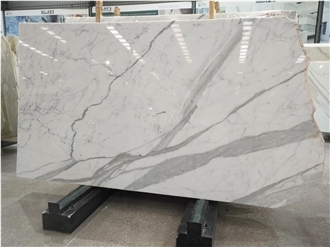
Pearl Marble

White - Marble

Turkey

About

Item Details

Material Type:
Marble
Origin:
Turkey
Primary Color(s):
White
Recommended Usage:
exterior, interior, wall cladding, sink, basin, mosaic, steps, countertops
Additional Names:
White Pearl Marble, Pearl White Marble, White Marble, White Crystal Marble, Pearl Marble
Finished Surface:
Polished,Bush Hammered,Tumbled,Brushed,Honed,Split,Machine Cut,Natural Surface,Sandblasted,Acid Washing,Combed,Leathered,Water Jet,Filled,Chiseled,Pickling

Description

Pearl Marble is a type of natural marble that is quarried in Turkey. It is a high-quality marble that is known for its white pearl-like luster and light color with subtle veins of grey, beige, or pink. The marble has a polished or honed texture, giving it a smooth and luxurious appearance. Pearl Marble is a highly durable and low-maintenance material that is suitable for both indoor and outdoor use. It is often used in modern and contemporary architectural designs due to its elegant and sophisticated appearance. The marble can be easily cut and shaped to fit a variety of design styles and applications. With proper care and maintenance, Pearl Marble can last for many years and add natural beauty to any space. Due to its elegant and sophisticated appearance, Pearl Marble is a popular choice for interior and exterior design projects, such as flooring, countertops, and wall cladding in modern and contemporary designs. It is also commonly used for decorative accents, such as bathroom vanities and shower walls. This white stone is especially good for exterior, interior, wall cladding, sink, basin, mosaic, steps, countertops and other design projects. It also called White Pearl Marble, Pearl White Marble, White Marble, White Crystal Marble. Pearl Marble can be processed into Polished,Bush Hammered,Tumbled,Brushed,Honed,Split,Machine Cut,Natural Surface,Sandblasted,Acid Washing,Combed,Leathered,Water Jet,Filled,Chiseled,Pickling and so on.

FAQ

Is vinegar ok to use on Pearl Marble countertop?

It is not recommended to use vinegar on a pearl marble countertop as it can be too acidic and may damage the surface of the marble. It is best to use a mild, pH-neutral cleaner specifically designed for marble countertops to avoid causing any damage.

How to remove scratches from Pearl Marble floor tiles?

To remove scratches from Pearl Marble floor tiles, you can try the following methods: 1. Sanding: Use fine-grit sandpaper to gently sand the scratched area, moving in a circular motion. Be careful not to sand too aggressively as this can cause further damage. Once the scratches are less visible, wipe the area clean with a damp cloth. 2. Polishing: Use a marble polishing compound or marble polishing powder to buff out the scratches. Apply the polishing compound to the scratches and rub in a circular motion with a soft cloth or buffer. Continue until the scratches have been buffed out and the marble has a smooth, shiny surface. 3. Honing: If the scratches are deep or extensive, you may need to hone the marble to remove them. Use a honing powder or diamond pads to hone the surface of the marble, following the manufacturers instructions. This will help to smooth out the scratches and restore the marble to its original appearance. 4. Sealing: Once you have removed the scratches, it is important to seal the marble to protect it from future damage. Use a marble sealant or enhancer to seal the surface of the marble, following the manufacturers instructions. This will help to prevent scratches and keep your Pearl Marble floor tiles looking their best. It is recommended to test any products or methods on a small, inconspicuous area of the marble floor tiles before attempting to remove scratches on a larger scale. If you are unsure or uncomfortable with attempting to remove scratches yourself, it may be best to consult a professional marble restoration specialist.

What can I not put on a Pearl Marble countertop?

To avoid damaging a Pearl Marble countertop, you should not put acidic substances such as vinegar, lemon juice, or wine on it as they can cause etching. Additionally, abrasive cleaners or scrubbing pads should not be used on Pearl Marble as they can scratch the surface. It is also best to avoid placing hot pots or pans directly on the countertop as this can cause thermal shock and potentially crack or damage the marble.

How to get scratches out of Pearl Marble kitchen countertop?

To remove scratches from a Pearl Marble kitchen countertop, follow these steps: 1. Clean the countertop: Start by cleaning the countertop with a mild dish soap and warm water to remove any dirt or debris. Dry the countertop thoroughly with a clean, soft cloth. 2. Sand the scratch: Use a fine-grit sandpaper (around 400 grit) to gently sand the scratch in a circular motion. Be sure to sand only the scratched area and not the surrounding countertop. Continue sanding until the scratch is no longer visible. 3. Polish the area: Use a marble polishing compound or paste to buff the sanded area and restore the shine to the marble. Apply the polishing compound with a soft cloth and buff in a circular motion until the surface is smooth and shiny. 4. Seal the countertop: After polishing the scratch, apply a marble sealant to protect the countertop from future scratches and stains. Follow the manufacturers instructions for application and drying times. 5. Maintain the countertop: To prevent future scratches, use cutting boards and trivets to protect the countertop from sharp objects and heat. Clean up spills immediately to prevent staining. By following these steps, you can effectively remove scratches from a Pearl Marble kitchen countertop and keep it looking like new.

What color kitchen cabinets go with a Pearl Marble countertop?

There are several color options that would complement a Pearl Marble countertop. Some popular choices include: 1. White kitchen cabinets: White cabinets would create a clean and timeless look that allows the Pearl Marble countertop to be the focal point of the kitchen. 2. Light gray kitchen cabinets: Light gray cabinets would provide a modern and sophisticated contrast to the Pearl Marble countertop, creating a sleek and elegant look. 3. Navy blue kitchen cabinets: Navy blue cabinets would add a bold and dramatic touch to the kitchen, while still allowing the subtle beauty of the Pearl Marble countertop to shine. 4. Sage green kitchen cabinets: Sage green cabinets would bring a soft and soothing element to the kitchen, creating a serene and calming atmosphere that pairs well with the elegant Pearl Marble countertop. Ultimately, the best color for your kitchen cabinets will depend on your personal style and the overall aesthetic you want to achieve in your kitchen. Choose a color that complements the Pearl Marble countertop while also reflecting your own taste and preferences.

Is calcitic Pearl Marble stair steps durable?

Calcitic Pearl Marble is a type of marble that is known for its beauty and elegance. While marble is a durable material, it is important to consider a few factors when using it for stair steps. Marble is a softer stone compared to granite or quartz, so it may be more prone to scratching, staining, or etching from acidic substances. However, with proper sealing and maintenance, calcitic Pearl Marble stair steps can be quite durable and long-lasting. It is also important to consider the amount of foot traffic the stairs will see. High traffic areas may wear down the marble more quickly than low traffic areas. Overall, calcitic Pearl Marble stair steps can be durable if properly maintained and cared for. Regular cleaning, sealing, and avoiding harsh chemicals or heavy impact can help prolong the life of the marble.

Does Pearl Marble countertop stain easily?

Pearl marble countertops are generally more porous than other types of marble, so they are more susceptible to staining. It is important to promptly wipe up any spills on a pearl marble countertop to prevent staining. Additionally, it is recommended to regularly seal the countertop to help protect it from stains.

Can Turkey's Pearl Marble be used in landscaping?

Yes, Turkeys Pearl Marble can be used in landscaping. It is a versatile material that can be used for various outdoor design purposes, such as pathways, patios, driveways, garden beds, retaining walls, and water features. Its elegant look with its light gray or white base and distinctive pearl-like patterns adds a luxurious touch to any landscape design. Additionally, Turkeys Pearl Marble is known for its durability and resistance to weathering, making it suitable for outdoor use.

I want to sculpt Pearl Marble with CNC milling and carving tools. What size do you recommend?

The recommended size for sculpting Pearl Marble with CNC milling and carving tools depends on the specific requirements of your project. However, a general guideline is to choose tools with a diameter ranging from 1/4 inch (6.35 mm) up to 1 inch (25.4 mm). For finer details and intricate carving, smaller tools with diameters of 1/4 inch (6.35 mm) to 1/2 inch (12.7 mm) are suitable. These smaller tools allow for more precision and control when sculpting delicate features. On the other hand, if you are looking to remove material quickly or work on larger surfaces, you might consider using larger tools with diameters ranging from 1/2 inch (12.7 mm) to 1 inch (25.4 mm) or even larger. These tools will help you cover more area in less time but might sacrifice some fine detail capabilities. Ultimately, the specific size and type of tools you choose will depend on the intricacy and scale of your design, as well as the level of detail and speed required for your project. It is recommended to consult with professionals or experienced artisans who have worked with similar materials and tools to get more precise recommendations based on your specific needs.

Which is the best durable white marble?

There are several types of white marble known for their durability, and each has its own unique set of characteristics and attributes. Its ultimately subjective to determine the best marble as it depends on your specific needs and preferences. However, some popular options for durable white marble include: 1. Calacatta Marble: Recognized for its elegant veining patterns and bright white background, Calacatta marble is highly sought after. It is known for its durability, resistance to staining, and ability to withstand heavy use. 2. Carrara Marble: One of the most widely used and recognized white marbles, Carrara marble features a soft gray veining on a white background. It is renowned for its durability, and since it is more readily available than other marbles, it tends to be more affordable. 3. Statuario Marble: Similar to Calacatta marble, Statuario marble exhibits bold and dramatic veining. It is highly durable and often used in high-end projects due to its luxurious appearance. 4. Arabescato Marble: Arabescato marble is known for its unique, intricate veining patterns. It is a durable and versatile marble that offers a stunning white background with gray and beige veining. Ultimately, the best durable white marble for you will depend on factors such as your budget, aesthetic preferences, and the specific application of the marble. Its recommended to consult with a professional marble supplier or contractor to understand the best option for your specific requirements.

Products & Prices

View More

Hot White Marble

New Marble

Post Your Request

The request includes:
  1. surface finished, size
  2. quantity required