Post Your Needs

Persian Silk Marble

Grey - Marble

Iran

About

Item Details

Material Type:
Marble
Origin:
Iran (Fars)
Primary Color(s):
Grey
Recommended Usage:
Kitchen and bathroom countertops, monuments, building stone, ornamental stone, stairs, interior, exterior wall and floor applications, mosaic, waterjet pattern, wall panels, table tops, window sills, wall and pool copings, pool pavers
Additional Names:
Persian Silk Gray Marble, Persian Silk White Marble, Persian Silk Grey Marble, Silk Gray Marble, Persian Grey Silk Marble, Silk Emperador Marble, Iran Emperador Grey Marble, Castle Gray Marble, Castle Grey Marble, in China stone market:古堡灰(Gǔ bǎo huī), Persian Silk Marble
Finished Surface:
Polished,Bush Hammered,Tumbled,Brushed,Honed,Split,Machine Cut,Natural Surface,Sandblasted,Acid Washing,Combed,Leathered,Water Jet,Filled,Chiseled,Pickling

Description

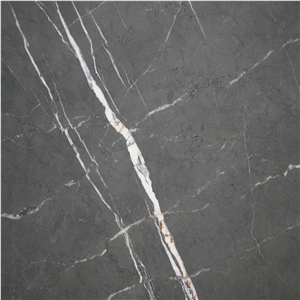
Persian Silk Marble is a captivating and elegant natural stone known for its exquisite appearance and its origin in Iran. This marble variety features an earth gray cloudy appearance, creating a sense of natural beauty and sophistication. It is highly prized for its unique veining patterns and its ability to enhance the aesthetics of various interior and exterior design applications.

Key features of Persian Silk Marble Slabs and Tiles include:

Earth Gray Cloudy Appearance: The primary color of Persian Silk Marble is an earthy gray, which forms the stone's foundational background. This earthy hue brings a sense of warmth and neutrality, making it suitable for a wide range of design styles.

Cloudy Veining: What sets Persian Silk Marble apart is its captivating veining patterns, resembling delicate clouds. These veining patterns meander across the surface, creating a mesmerizing and organic visual effect. The cloudy veining adds depth and character to the stone, making each slab or tile unique.

Origin in Iran: Persian Silk Marble is quarried in Iran, a country renowned for its rich geological diversity and expertise in natural stone production. The marble reflects the geological heritage of the region and the craftsmanship of its artisans.

Versatile Applications: Persian Silk Marble is highly versatile and can be used for various applications, including flooring, wall cladding, countertops, and decorative accents. Its unique veining patterns add an element of sophistication and natural beauty to any space.

Elegance and Timelessness: With its earthy gray tones and cloud-like veining, Persian Silk Marble exudes an air of elegance and timelessness. It is a sought-after choice for creating luxurious and visually appealing interiors.

In summary, Persian Silk Marble Slabs and Tiles are known for their earthy gray cloudy appearance and captivating veining patterns. Quarried in Iran, this marble variety is celebrated for its ability to enhance the aesthetics of interior and exterior spaces, infusing them with a touch of natural beauty and sophistication. Whether used in contemporary or traditional settings, Persian Silk Marble remains a symbol of elegance and timeless allure.

FAQ

Do I have to seal Persian Silk Marble kitchen countertop every year?

Sealing your Persian Silk Marble kitchen countertop is an important maintenance task to help protect it from stains and etching. Whether you need to seal it every year depends on several factors, including the specific sealing product you use, the amount of wear and tear your countertop faces, and your personal preferences for maintenance. 1. **Type of Sealer**: Some sealers are designed to last longer than others. High-quality sealers might last several years, while others recommend annual application. 2. **Usage**: If your kitchen sees heavy use, you may need to seal more frequently. Spills from acidic substances like lemon juice or vinegar can damage marble if not promptly cleaned up. 3. **Testing**: To determine if your countertop needs sealing, you can perform a simple water test. Drip a few drops of water on the surface. If the water beads up, the seal is likely still effective. If it soaks in or darkens the stone, it’s time to reseal. 4. **Appearance**: If you notice that liquids are increasingly absorbing into the stone, leaving dark spots, or if the marble is more susceptible to staining and etching, it’s time to consider sealing. For the best results, consult the manufacturer’s guidelines or a professional stone care expert to ensure you’re using the appropriate sealer for your specific marble and following recommended maintenance practices.

Is 3/4" thick enough for a Persian Silk Marble commercial countertop?

When considering the thickness of a countertop for a commercial setting, there are several factors that must be taken into account, such as the materials durability, the intended use, and the overall design requirements. Persian Silk Marble is a type of stone that can be used for countertops, but its suitability in a thickness of 3/4 (approximately 2 cm) depends on a few key considerations: 1. **Durability**: Marble is generally softer and more porous compared to other stones like granite or quartz. In a commercial setting, countertops are often subjected to heavy use and potential spills, which could place 3/4 marble at risk of scratching, staining, or chipping more easily. 2. **Support and Structure**: A 3/4 thickness may require additional support, such as a plywood substrate, especially over longer spans, to prevent flexing or cracking. 3. **Load-Bearing Capacity**: Depending on the surface area and usage, a thicker material might be more suitable to handle heavy loads without risk of damage. 4. **Edge Profiles**: A thickness of 3/4 might limit the types of edge profiles you can choose from for aesthetic purposes. Thicker edges are often preferred in commercial settings for visual impact and added strength. 5. **Cost Efficiency**: While 3/4 material might initially cost less, the potential need for additional support or the risk of damage might lead to higher long-term costs. For commercial applications, its common to see countertops with a thickness of 1.25 (approximately 3 cm) for added durability and performance. If 3/4 thick marble is being considered, it would be wise to consult with a professional stone fabricator or structural engineer to assess whether it will meet the operational and aesthetic needs of the specific commercial environment.

What is the standard thickness of Persian Silk Marble stair steps and risers?

The standard thickness for Persian Silk Marble stair treads typically ranges from 1.25 inches to 2 inches (approximately 3 cm to 5 cm). For risers, the thickness is generally between 0.75 inches and 1.25 inches (about 2 cm to 3 cm). These thicknesses can vary depending on design preferences, structural requirements, and local building codes, so its important to consult with a contractor or supplier for specifications tailored to your project.

Can I use bleach when cleaning a Persian Silk Marble kitchen countertop?

Using bleach on a Persian Silk Marble countertop is not recommended. Marble is a natural stone thats sensitive to acidic and harsh cleaning agents. Bleach, being caustic, can cause discoloration or dullness and may damage the surface by causing etching. To safely clean your Persian Silk Marble countertop, use a pH-neutral cleaner specifically designed for natural stone. Alternatively, you can use a mild dish soap mixed with warm water. Always wipe up any spills promptly to prevent staining, and regularly seal the marble to protect it from damage.

If I chop meat on a Persian Silk Marble kitchen countertop, will it leave knife marks?

Persian Silk Marble is a type of natural stone that is generally more durable than softer materials, but it can still be prone to scratching and etching. Using a knife directly on any marble countertop, including Persian Silk Marble, can leave marks or scratches because marble is relatively soft compared to granite or quartz. Its always best to use a cutting board to protect the surface of your countertop and to maintain its appearance over time. Additionally, chopping directly on the countertop could also dull your knife more quickly.

What does vinegar do to Persian Silk Marble countertop?

Vinegar, which is acidic, can damage Persian Silk Marble countertops or any marble surface. Marble is a natural stone composed primarily of calcium carbonate, making it sensitive to acids. When vinegar, or any acidic substance, comes into contact with marble, it can cause a reaction that leads to etching. Etching appears as dull marks or spots on the marble surface and can ruin the countertops finish by creating rough or discolored areas. To maintain and protect your Persian Silk Marble countertop, its important to avoid using vinegar or any other acidic cleaners. Instead, clean marble with a pH-neutral cleaner specifically formulated for use on natural stone, or use a mild dish soap mixed with water. For added protection, regularly sealing the marble can help prevent stains and minor damage.

Can Iran's Persian Silk Marble be used in a office?

Yes, Irans Persian Silk Marble can be used in an office. Marble is known for its luxurious appearance and durability, making it a popular choice for office spaces. Persian Silk Marble, specifically, is a unique and elegant marble with its delicate beige and creamy tones, intertwined with light veins resembling the patterns of silk fabric. It can be used for flooring, countertops, wall claddings, and other decorative elements in an office setting, adding a touch of sophistication and beauty to the space.

What is the average water absorption of Iran's Persian Silk Marble?

There is no specific information available regarding the average water absorption of Irans Persian Silk Marble. The water absorption of marble can vary depending on various factors such as the specific quarry, processing techniques, and natural variations within the stone. It is recommended to consult directly with a marble supplier or manufacturer in Iran to obtain precise information about the water absorption properties of Persian Silk Marble.

Can Iran's Persian Silk Marble be used exterior applications in very windy climates?

The Persian Silk Marble from Iran can be used for exterior applications in windy climates, but there are certain factors to consider. Persian Silk Marble is known for its beautiful veining and unique patterns, making it a popular choice for both interior and exterior design. However, when using this marble in very windy climates, there are a few things to keep in mind: 1. Durability: Persian Silk Marble is a natural stone and has good durability. However, it may not be as resistant to high winds and extreme weather conditions as some other stones like granite. Therefore, it is important to choose a reputable supplier who offers high-quality, durable marble. 2. Finishing: The type of finish applied to the marble can affect its performance in windy conditions. A polished finish can make the surface more slippery, especially when wet, which may not be ideal for exterior applications in areas with strong winds. A honed or textured finish can provide better traction and reduce the risk of slipping. 3. Sealing: It is essential to properly seal the marble to protect it from moisture penetration, which can weaken the stone over time. Sealing will also help to prevent staining and discoloration caused by wind-borne debris or pollutants. 4. Regular Maintenance: Windy climates can lead to an increased buildup of dust, dirt, and debris on exterior surfaces. Regular cleaning and maintenance are necessary to preserve the marbles appearance and ensure its longevity. 5. Installation: Proper installation techniques play a significant role in ensuring the durability and performance of the marble. Hiring experienced professionals who are familiar with exterior installations in windy climates is important to ensure the marble is securely fixed. In summary, while Persian Silk Marble can be used for exterior applications in windy climates, it is crucial to consider the marbles durability, finish, sealing, maintenance requirements, and proper installation techniques to ensure its performance and longevity.

Can Iran's Persian Silk Marble be used in wall coverings?

Yes, Irans Persian Silk Marble can be used in wall coverings. Persian Silk Marble is known for its beautiful veining and unique patterns, which make it a popular choice for interior design and décor, including wall coverings. Its elegant appearance adds a touch of sophistication and luxury to any space. The marble can be cut into slabs or tiles and installed on walls, creating a stunning and luxurious backdrop.

Project Show

Engineer Manzouri’s Project

Created: Opal Stone Group Iran

Engineer Manzouri’s Project, located in Mehrshahr, Karaj, Alborz Province, Iran.

The materials used in this project are listed below:

  • Pietra Gray Marble
  • Persian Silk Marble 
  • Persian Bianco
Engineer Manzouri’s Project

Products & Prices

View More

Hot Grey Marble

New Marble

Post Your Request

The request includes:
  1. surface finished, size
  2. quantity required