Post Your Needs

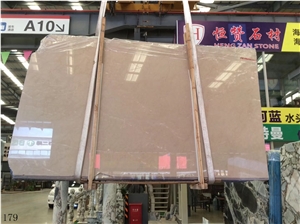
Persian Spider Marble

White - Marble

Iran

About

Item Details

Material Type:
Marble
Origin:
Iran (Bafq (Bāfq)(Persian: بافق‎), Bafq County, Yazd Province)
Primary Color(s):
White
Recommended Usage:
kitchen and bathroom countertops, wash basins, building stone, ornamental stone, stairs, interior, exterior wall and floor applications, mosaic, waterjet pattern, wall panels, table tops, balustrades, columns, wall and pool copings, pool pavers, sculptures, fireplaces, window sills
Additional Names:
New Persian Spider Marble, Bafq Cream Marble, Persian Spider Red Marble, Spider White Marble, White Spider Marble, Persian Golden Spider Marble, in China stone market:波斯蜘蛛红(Bōsī zhīzhū hóng), 金蜘蛛(Jīn zhī zhū), Persian Spider Marble
Finished Surface:
Polished,Bush Hammered,Tumbled,Brushed,Honed,Split,Machine Cut,Natural Surface,Sandblasted,Combed,Leathered,Water Jet,Filled,Chiseled,Pickling

Testing

Density:
2680 - 2760 kg/m³
Flexural Strength:
10 - 15 MPa
Compressive Strength:
150 - 200 MPa
Stone texture:
Fine to medium-grained, Soft white, ivory, or light cream, often with a subtle warm undertone base color, Bold, irregular golden-yellow to amber veins that branch out in organic, web-like patterns veining

Description

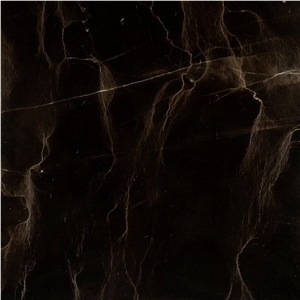
Persian Spider Marble is a distinct and elegant natural stone quarried in Bafq County, Yazd Province, Iran. It is renowned for its fine to medium grain and is predominantly characterized by its soft white, ivory, or light cream coloration, often accompanied by a subtle warm undertone. One of its most striking features is the bold, irregular veining pattern in golden-yellow to amber shades, which create organic, web-like patterns reminiscent of a spider's web.

Physical and Mechanical Properties:

  • Water Absorption: Typically low, enhancing its use in areas prone to moisture. Exact values depend on specific quarry yields.

  • Density: Approximately 2,680 - 2,760 kg/m³. This high density indicates the stone's robustness and durability.

  • Flexural Strength: Usually around 10 - 15 MPa. This measures the stone's ability to resist bending forces.

  • Compressive Strength: Generally ranges from 150 - 200 MPa, reflecting its capability of withstanding heavy loads.

  • Hardness: Rated around 3 on the Mohs scale. This suggests that while it is relatively soft compared to other stones like granite, it remains suitable for many applications.

  • Porosity: Low to medium. Its fewer pores make it less prone to staining.

  • Slip Resistance: This can vary based on the finish but is generally moderate. It is advisable to apply a non-slip surface treatment when used in floor applications.

Chemical and Mineral Composition (% by weight):

  • Calcium Carbonate (CaCO₃): Predominantly 90-95%, providing the primary structure and strength.

  • Magnesium Carbonate (MgCO₃): Often 2-4%, adding to the stone's resilience.

  • Silicon Dioxide (SiO₂): Around 1-2%, contributing to the textural firmness.

  • Iron Oxide (Fe₂O₃): 0.5-1%, responsible for the unique amber veining.

  • Other Trace Minerals: Sulphur, alumina, and other minerals make up the rest, contributing to its color variations and veining patterns.

Uses:

  • Interior Flooring and Wall Cladding: Its aesthetic appeal makes it ideal for luxurious interiors.
  • Countertops and Vanities: Though softer, it can be used with care in kitchens and bathrooms.
  • Decorative Accents: Table tops, fireplace surrounds, and other decorative elements.
  • Sculptures and Artworks: Its workability and unique veining patterns make it popular for artistic endeavors.

Maintenance:

  • Cleaning: Regular dusting and wiping with a damp cloth. Use pH-neutral cleaners to maintain its luster.
  • Sealing: It is advisable to seal the surface every few years to maintain resistance against stains and water damage.
  • Avoid Abrasives: Do not use harsh chemicals or abrasive materials which could scratch and damage the surface.

Cutting Sizes (cm):

  • Tiles: Commonly available in sizes like 30x30, 40x40, and 60x60.
  • Slabs: Customizable upon request, but typical dimensions are around 240x120.
  • Custom Cuts: Available for bespoke projects and design requirements.

Surface Finish Options:

  • Polished: High gloss finish, enhancing the color and veining pattern.
  • Honed: Smooth, matte finish for a more subdued aesthetic.
  • Brushed: A textured finish offering a rustic look.
  • Sandblasted: Provides a granular surface with higher slip resistance.
  • Tumbled: Offers an aged, antique appearance with natural edges.

In conclusion, Persian Spider Marble is a versatile and visually striking material suitable for a wide range of architectural and decorative purposes. Proper maintenance and the right finish will ensure its beauty and functionality are preserved over time.

FAQ

Can Iran's Persian Spider Marble be used exterior applications in very rainy climates?

Irans Persian Spider Marble is a type of marble with unique patterns that make it highly sought after for interior design and decor. While marble is a durable and long-lasting material, it is generally not recommended for exterior applications in very rainy climates. Marble is a metamorphic rock composed primarily of calcite, which is a calcium carbonate mineral. It is susceptible to weathering and can potentially degrade over time when exposed to moisture. In very rainy climates, where the stone will experience prolonged exposure to water and high levels of humidity, marble may be more prone to deterioration. Water can seep into the porous structure of marble, leading to the development of cracks, stains, and discoloration. Additionally, freezing and thawing cycles can cause the stone to expand and contract, potentially resulting in further damage. Therefore, for exterior applications in very rainy climates, it is generally recommended to choose more suitable materials such as granite or engineered stone, which are less porous and better suited to withstand harsh weather conditions. If you still decide to use Persian Spider Marble in an exterior application, make sure it is properly sealed with a high-quality stone sealer that provides adequate protection against moisture. Regular maintenance and resealing might also be required to preserve the stones appearance and durability. Always consult with a professional or a stone specialist who can assess the specific conditions and make appropriate recommendations based on the climate, location, and intended use of the marble.

Can Iran's Persian Spider Marble be used in floor coverings?

Yes, Irans Persian Spider Marble can be used in floor coverings. This particular type of marble is known for its unique and intricate spider-like web patterns, making it a popular choice for flooring applications. The rich and vibrant colors of the marble, along with its durability and natural beauty, make it well-suited for creating stunning and luxurious floor coverings.

What is the average water absorption of Iran's Persian Spider Marble?

There is no specific information available regarding the average water absorption of Irans Persian Spider Marble. The water absorption rate can vary depending on different factors such as the specific quarry, the type of finish applied, and the individual slab characteristics. It is recommended to consult with a reliable stone supplier or manufacturer for accurate information regarding the water absorption rate of this particular marble.

Can Iran's Persian Spider Marble be used in a office?

Yes, Irans Persian Spider Marble can be used in an office setting. Persian Spider Marble is known for its unique and striking appearance, characterized by a white or creamy background with intricate veining patterns in various shades of gray and black. Its elegant and luxurious look makes it a popular choice for high-end interior design projects, including offices. The marble can be used for flooring, wall cladding, countertops, and other decorative elements in an office space. It adds a touch of sophistication and beauty to the environment, creating a visually appealing and upscale atmosphere. However, its important to consider the maintenance requirements of marble surfaces, as they may require regular cleaning and sealing to preserve their appearance and durability.

What grade is Iran's Persian Spider Marble?

There is no specific grade assigned to Irans Persian Spider Marble. The quality of marble varies based on factors such as color, pattern, clarity, and overall appearance. Different suppliers may have their own grading systems, but generally, any marble sourced from Iran is known for its high quality.

Are there color variations of Iran's Persian Spider Marble?

I do not have access to up-to-date information about the varieties of marble found in Iran. However, according to online sources, Irans Persian Spider Marble is mostly white or cream-colored with gray veins that resemble spiderwebs. It is possible that there may be slight color variations due to natural variations in the stones mineral content. Nonetheless, it would be best to consult with a professional in the marble industry to provide more detailed insights into this question.

Can Iran's Persian Spider Marble be used outdoors?

Yes, Irans Persian Spider Marble can be used outdoors. It is a durable and weather-resistant natural stone that can withstand different climatic conditions. It can be used for exterior flooring, walls, countertops, and decorative features. However, it is important to seal the marble properly before installing it outdoors to protect it from staining and damage. Regular maintenance and cleaning will also help maintain the marbles appearance and durability.

How thick is Iran's Persian Spider Marble slabs?

I dont know the latest and the most accurate information about Irans Persian Spider Marble slabs. However, based on my knowledge about marble slabs in general, the thickness typically ranges from 2cm to 3cm (0.78 inches to 1.18 inches). However, its also possible for these slabs to be cut and customized to specific thicknesses based on the clients needs.

Is Iran's Persian Spider Marble an expensive stone?

I dont have access to current market prices. However, I can tell you that Persian Spider Marble is known for its unique patterns and colors, which makes it a sought-after stone in the construction and interior design industries. Therefore, it can be considered a valuable and potentially expensive stone. The price of Iranian marble depends on various factors such as quality, rarity, and demand.

Products & Prices

View More

Hot White Marble

New Marble

Post Your Request

The request includes:
  1. surface finished, size
  2. quantity required