Post Your Needs

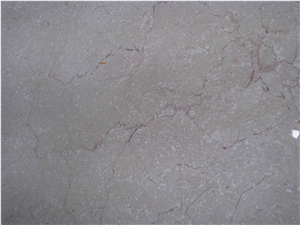
Persian Spring Marble

Marble

Iran

About

Item Details

Material Type:
Marble
Origin:
Iran
Recommended Usage:
Kitchen and bathroom countertops, wash basins, building stone, ornamental stone, stairs, interior, exterior wall and floor applications, mosaic, waterjet pattern, wall panels, table tops, balustrades, columns, wall and pool copings, pool pavers, sculptures, fireplaces, window sills
Additional Names:
Persian Spring Green Marble, in China stone market:波斯之春(Bō sī zhī chūn)
Finished Surface:
Polished,Bush Hammered,Tumbled,Brushed,Honed,Split,Machine Cut,Natural Surface,Sandblasted,Combed,Leathered,Water Jet,Filled,Chiseled,Pickling

Testing

Water Absorption:
0.2–0.36%
Density:
2650–2750 kg/m³
Flexural Strength:
10–13 MPa
Compressive Strength:
120–130 MPa

Description

Color & Appearance Base Color:

Muted sage-green to light gray-green tones, evoking the freshness of spring foliage, with subtle variations that add depth and warmth.

Veining: Golden-beige to light brown veins ranging from fine, delicate lines to bolder, more pronounced streaks. Interspersed with darker gray to near-black accents, enhancing contrast and visual richness.

Pattern: Organic, flowing veining with a natural, web-like structure. Non-repeating pattern that mimics the movement and complexity of natural stone formations.

Texture & Structure

Smooth and refined marble texture with natural tonal transitions. Balanced combination of soft background and dynamic veining, offering both elegance and visual interest.

Technical & Material Data (Typical)

  • Density: ~2.68–2.72 g/cm³
  • Water Absorption: ~0.2–0.36%
  • Compressive Strength: ~120–130 MPa
  • Flexural Strength: ~10–13 MPa
  • Abrasion Resistance: Moderate
  • Mohs Hardness: ~3–4

Chemical & Mineral Composition (% by weight, typical)

  • Calcite (CaCO₃): ~90–97%
  • Dolomite: ~1–5%
  • Quartz & Silicates: ~1–3%
  • Iron Oxides & Trace Minerals: <1% (responsible for green tones and veining variations)

Surface Finish Options

  • Polished – high gloss, enhances color and veining
  • Honed – smooth, matte surface
  • Brushed – lightly textured, natural feel
  • Sandblasted – textured, slip-resistant
  • Leathered – soft, tactile surface with depth
  • Waterjet – custom decorative patterns
  • Machine-cut – precise, clean edges

Usage

  • Interior flooring and wall cladding
  • Bathroom and kitchen applications (vanities, countertops)
  • Feature walls and decorative panels
  • Fireplace surrounds
  • Commercial spaces such as lobbies and reception areas
  • Suitable for light exterior use with appropriate finish

Maintenance

  • Seal regularly to protect against moisture and staining
  • Clean using pH-neutral stone cleaners
  • Avoid acidic or abrasive cleaning agents
  • Wipe spills promptly
  • Periodic resealing recommended depending on usage and finish

Persian Spring Marble offers a harmonious blend of soft green tones and warm veining, making it an elegant and versatile choice for both contemporary and classic architectural designs.

FAQ

How can the surface of Persian Spring Marble be thermally processed using portable machines or tools?

Thermal processing, often referred to as flaming, is a technique used to alter the surface of stone materials like marble to achieve a specific texture or aesthetic. For Persian Spring Marble, this can be done using portable machines or tools. Heres how you can perform this process: 1. **Safety First**: Ensure you have appropriate safety gear, including gloves, goggles, and possibly a mask to protect against dust and debris. Additionally, make sure the work area is well-ventilated. 2. **Equipment Needed**: Youll need a portable propane torch or a handheld flame tool that can handle the heat needed for marble. These are often used for outdoor on-site stone work. 3. **Preparation**: Clean the marble surface thoroughly to remove any dust, dirt, or grease. It’s important for the surface to be clean to ensure even processing. 4. **Trial Run**: Test the process on a small, inconspicuous area or a scrap piece of marble to understand how the marble reacts to the heat. This will help in adjusting technique and distance. 5. **Flaming Technique**: Hold the torch at an angle, and keep it moving in a consistent back and forth motion over the marble surface. The goal is to heat the marble enough to cause minor thermal shock on the surface, creating texture without cracking or damage. 6. **Control the Heat**: Ensure that the heat is evenly distributed across the marble to avoid uneven textures or discoloration. Adjust the distance and speed of your torch as necessary based on the initial trial. 7. **Cooling**: Allow the marble to cool gradually. Do not quench it with water, as this can cause thermal shock and potential damage. 8. **Inspection**: Once cooled, inspect the surface to ensure the desired texture is achieved. The surface should have a natural, slightly rugged texture typical of thermally processed stone. 9. **Finishing Touches**: Depending on your desired aesthetic, further processing such as light polishing or sealing can be done after flaming to enhance the final appearance and protect the stone. This process requires some skill and practice to achieve a consistent and pleasing texture, so take your time to gain proficiency.
Can Persian Spring Marble be used for kitchen countertop?

Yes, Persian Spring Marble can be used for kitchen countertops. However, there are several factors to consider when using marble in a kitchen setting: 1. **Porosity**: Marble is a porous stone, which makes it susceptible to staining from spills, especially from acidic substances like wine, coffee, lemon juice, or tomato sauce. 2. **Scratch and Etching**: Marble is softer than other countertop materials like granite or quartz, making it prone to scratches and etching. Cutting directly on the surface or placing hot pots and pans can cause damage. 3. **Maintenance**: Marble countertops require regular sealing to protect them from stains and damage. Ensuring the countertop is well-maintained will help prolong its beauty and usability. 4. **Aesthetic**: Persian Spring Marble offers a unique and elegant appearance with natural veining and colors that can add a luxurious touch to the kitchen. 5. **Cost**: Marble tends to be more expensive than other materials due to its natural beauty and the cost of proper installation and maintenance. If youre willing to invest in the maintenance and are cautious about its use, Persian Spring Marble can be a beautiful and functional choice for a kitchen countertop.

How can I repair the scratched surface of the Persian Spring Marble steps?

Repairing scratched Persian Spring Marble steps requires some care to restore them without causing further damage. Here’s a step-by-step guide you can follow: 1. **Cleaning**: - Start by cleaning the surface. Use a pH-neutral stone cleaner mixed with water. - Gently scrub the area with a soft cloth or sponge to remove any dirt or debris. - Rinse with clean water and dry the surface with a soft towel. 2. **Assess the Damage**: - Examine the depth and extent of the scratches. Deep scratches may require professional repair, while minor ones can be handled at home. 3. **Polishing with Marble Polish**: - For minor scratches, apply a marble polishing powder or paste specifically designed for marble surfaces. - Follow the product instructions carefully, usually involving sprinkling the powder on the scratched area, misting it with water, and buffing with a clean, soft cloth or a low-speed hand buffer. - Use circular motions to buff the scratched area until it starts to shine, taking care not to over-polish one area. 4. **Using a Marble Polishing Pad**: - For slightly deeper scratches, a marble polishing pad, which can be attached to a variable-speed grinder, could be necessary. - Start with a coarse grit (around 400), and gradually move to finer grits (up to 3000) for a smoother finish. - Keep the pad and surface moist to prevent burning the marble. 5. **Filling Deep Scratches**: - If scratches are deeper, use a marble repair kit with a filler compound that matches the color of your marble. - Mix the compound as per the instructions and apply it to the scratches with a small tool like a craft stick. - Let it cure fully, then sand it down smoothly with fine-grit sandpaper. 6. **Sealing the Surface**: - Once the scratches are repaired and the surface is polished, apply a marble sealant. - Follow the instructions on the sealant carefully, as application and drying times can vary. - Sealing will help protect against future scratches and stains. 7. **Maintenance**: - Keep the steps clean by regularly sweeping and mopping with a dry or damp mop. - Place rugs or mats to minimize dirt and debris that can scratch the marble. If youre unsure or if the damage is extensive, consider consulting with a professional marble restoration specialist. They have the tools and expertise to restore your marble steps to their original beauty.

Is Persian Spring Marble with a polished surface good for house flooring?

Persian Spring Marble with a polished surface can be a good choice for house flooring, but there are several factors to consider before making a decision: 1. **Aesthetic Appeal**: Persian Spring Marble typically features an elegant and luxurious appearance, often with unique veining and color variations that can enhance the beauty of a home. A polished surface will further accentuate these features, giving the floor a high-end, sophisticated look. 2. **Durability**: Marble is a relatively durable natural stone, but it is softer compared to materials like granite. It can scratch, chip, or crack under heavy impact, so its important to consider the amount of foot traffic and type of use the flooring will undergo. 3. **Maintenance**: Polished marble surfaces are smooth and reflective, making them easier to clean. However, marble is susceptible to staining from spills, especially from acidic substances like wine, coffee, or lemon juice. Regular sealing can help protect the surface. 4. **Cost**: Marble flooring tends to be more expensive due to the cost of the material and the labor involved in installation. Its important to budget accordingly and consider if it fits within your financial plans for home renovation. 5. **Slipperiness**: Polished marble can be quite slippery, especially when wet, which might not be ideal for areas prone to water exposure, such as bathrooms or kitchens. Consider using rugs or exploring other finishes for areas where slipping is a concern. 6. **Climate and Location**: Marble flooring can stay cool, which might be beneficial in warmer climates. However, it may not be as comfortable underfoot in colder regions unless paired with underfloor heating. Overall, Persian Spring Marble can be an excellent choice for flooring if its features align with your aesthetic preferences and practical needs. Its advisable to consult with a professional installer to ensure it suits your specific situation and to discuss the best options for maintaining its beauty and durability over time.

Is Persian Spring Marble a suitable choice for gravestones?

Persian Spring Marble can be a suitable choice for gravestones, but there are several factors to consider before making a decision: 1. **Durability**: Marble is generally less durable than granite when exposed to the elements long-term. It is more porous, which can lead to staining and weathering over time. If the gravestone will be exposed to harsh weather conditions, you might want to consider a more durable material like granite. 2. **Appearance**: Persian Spring Marble has a unique and attractive appearance, often featuring a range of colors and veining. This can make for a visually striking gravestone, appealing to those who prioritize aesthetics. 3. **Maintenance**: Due to its porosity, marble can require more maintenance to prevent staining and weathering, particularly in areas with acidic rain or pollution. 4. **Cost**: Marble can be more expensive than granite and other materials. Be sure to consider your budget when selecting the material for a gravestone. 5. **Cultural and Personal Preferences**: Marble has been traditionally used in many cultures for gravestones and monuments, so its use may have cultural or personal significance. In conclusion, while Persian Spring Marble can be a beautiful material for gravestones, its suitability depends on environmental conditions, maintenance considerations, and personal preferences. If durability and low maintenance are priorities, you might want to explore other materials as well.

Products & Prices

Hot Marble

New Marble

Post Your Request

The request includes:
  1. surface finished, size
  2. quantity required

