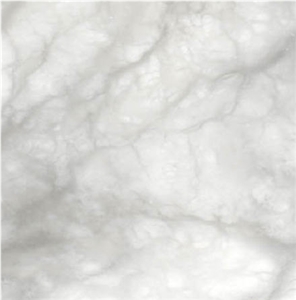
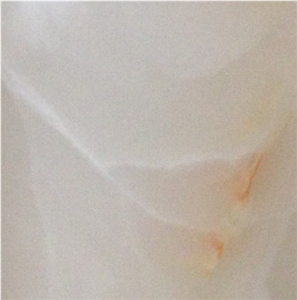
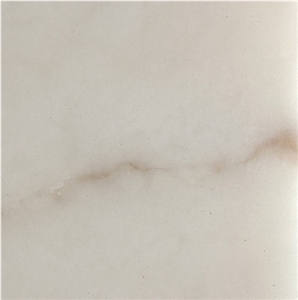
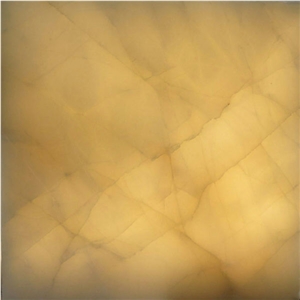
Persian White Alabaster is a luxurious, translucent stone sourced from quarries in Iran. It is renowned for its elegant and luminous appearance, which makes it a popular choice for high-end architectural and decorative applications.
Physical and Mechanical Properties:
-
Water Absorption: Typically low, often around 0.25 - 0.5%. This low water absorption rate contributes to its durability.
-
Density: Ranges from 2,350 to 2,450 kg/m³, which gives it a robust structure suitable for both indoor and some outdoor applications, though protection from harsh weather conditions is advised.
-
Flexural Strength: Generally measured between 8 to 10 MPa. This indicates decent resistance to bending forces.
-
Compressive Strength: Generally around 50 to 60 MPa, indicating a moderate level of resistance to crushing forces.
-
Hardness: On the Mohs scale, alabaster typically ranks around 2 to 3, which signifies it is relatively soft and easy to carve, but also prone to scratching.
-
Porosity: Generally low, which helps prevent moisture penetration but still requires sealing in certain applications.
-
Slip Resistance: Alabaster surfaces can be slippery when polished. Rougher finishes may provide better slip resistance.
Chemical and Mineral Composition (% by Weight):
-
Calcium Carbonate (CaCO3): Typically 90-97%, the primary component of alabaster.
-
Magnesium Oxide (MgO): Around 1-3%.
-
Silicon dioxide (SiO2): About 0.5-2%.
-
Iron Oxides (Fe2O3): Usually less than 1%.
-
Other Trace Elements: May include other minerals like sodium, potassium, and other oxides, making up less than 1%.
Usage:
- Sculptures and Carvings: Given its fine grain and ease of carving, alabaster is ideal for intricate sculptures and artistic carvings.
- Decorative Panels: Its translucent property allows it to be backlit for striking visual effects in panels and screens.
- Interior Cladding: Utilized for wall cladding in luxury interiors due to its elegant appearance.
- Furniture Accents: Used in tables and other furniture for a touch of sophistication.
Maintenance:
- Regular dusting with a soft cloth.
- Protect from acidic substances as they can etch the surface.
- Use a pH-neutral cleaner for general cleaning.
- Resealing may be needed periodically to maintain its appearance and protect from moisture.
Cutting Sizes (cm):
- Common tile sizes: 30x30, 30x60, 40x40 cm.
- Slabs are available in larger dimensions, customized to project needs.
Available Surface Finish Options:
- Polished: Enhances the stone's natural luster and translucency while providing a smooth finish.
- Honed: Offers a softer, matte finish that reduces slipperiness compared to polished surfaces.
- Sandblasted: Provides a rough texture that can enhance slip resistance for flooring applications.
- Sawn Cut: Features a natural, slightly rough texture ideal for rustic or outdoor applications.
Persian White Alabaster's elegance and versatility make it a distinct and luxurious material suitable for diverse applications, particularly where its unique translucency can be emphasized. While durable, it requires careful handling and maintenance to preserve its beauty.


 Iran

 15YR

 China


 Mexico

 Italy
 Spain
 United States



 Egypt


