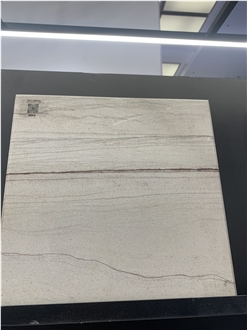
Piano Grey Marble

About
Item Details
- Material Type:
- Marble
- Origin:
China (Guizhou) - Recommended Usage:
- Kitchen and bathroom countertops, wash basins, building stone, ornamental stone, stairs, interior, exterior wall and floor applications, mosaic, waterjet pattern, wall panels, table tops, balustrades, columns, wall and pool copings, pool pavers, fireplaces
- Additional Names:
- Piano Gray Marble, Piano Grey Lido Marble, Piano Grey Wooden Marble, White Wood Grain Marble, in China stone market:钢琴灰(gāng qín huī)
- Finished Surface:
- Polished,Bush Hammered,Tumbled,Brushed,Honed,Split,Machine Cut,Natural Surface,Sandblasted,Combed,Leathered,Water Jet,Filled,Chiseled,Pickling
Testing
- Water Absorption:
- ~ 0.25 – 0.35 %
- Density:
- ~ 2650 kg/m³
- Flexural Strength:
- ~ 12 – 15 MPa
- Compressive Strength:
- ~ 110 – 135 MPa
Description
Piano Grey Marble
Origin: Guizhou Province, China
Stone Type: Metamorphic rock (Marble)
Appearance & Aesthetics
- Base Color: Soft silver-gray to semi-white background.
- Pattern: Straight, fine linear veins resembling sand dunes or wood grain.
- Texture: Smooth, refined, with a sophisticated wood-like flow.
- Visual Character: Subtle, serene, and elegant, ideal for creating timeless interiors with a natural yet modern aesthetic.
Technical Properties
(average values, may vary by quarry block)
- Density / Bulk Specific Gravity: ~ 2650 kg/m³
- Water Absorption (by weight): ~ 0.25 – 0.35 %
- Compressive Strength: ~ 110 – 135 MPa
- Flexural Strength: ~ 12 – 15 MPa
- Abrasion Resistance: Medium–High
- Mohs Hardness: ~ 3.0 – 3.5
- Impact Resistance: Moderate
Chemical Composition
(% by weight, approximate)
- CaCO₃ (Calcium Carbonate): 92 – 95%
- MgCO₃ (Magnesium Carbonate): 1 – 2%
- SiO₂ (Silica): 2 – 3%
- Fe₂O₃ (Iron Oxide): < 1%
- Others (Al₂O₃, trace minerals): balance
Applications & Usage
- Interior: Flooring, wall cladding, vanity tops, staircases, fireplaces, bathroom finishes.
- Decorative: Feature walls, furniture inlays, reception desks, luxury commercial interiors.
- Exterior: Limited use (recommended under covered areas, not heavy-traffic zones due to marble’s moderate hardness).
Surface Finish Options
- Polished: High gloss, enhances silver-grey base and veining.
- Honed: Smooth matte surface, subtle and modern.
- Satin / Leathered: Soft texture with a natural tactile feel.
- Brushed: Slightly aged effect, enhances wood-grain look.
- Sandblasted / Tumbled: More rustic, slip-resistant finish for exterior or decorative use.
Cutting Sizes
- Slabs: 2 cm & 3 cm thickness, standard slabs up to 280 × 160 cm.
- Tiles (cm): 30 × 30, 30 × 60, 60 × 60, 60 × 120 (custom on request).
- Tiles (inch): 12″ × 12″, 12″ × 24″, 24″ × 24″, 24″ × 48″.
- Custom Cut-to-Size: Available for project-specific dimensions.
Maintenance
- Sealing: Recommended upon installation to protect from stains.
- Cleaning: Use pH-neutral stone cleaner; avoid acidic or abrasive agents.
- Care: Regular resealing (every 1–2 years) prolongs beauty and durability.
FAQ
Yes, 2 cm thickness Piano Grey Marble can be used for stair steps, but there are some considerations to keep in mind. Marble is a relatively soft and porous stone, which means it can be prone to scratching, chipping, and staining. However, many people choose marble for its aesthetic appeal, and with proper care and maintenance, marble stair steps can be both beautiful and functional.
Before proceeding, consider the following:
1. **Structural Support:** Make sure that the marble is adequately supported, as 2 cm is relatively thin for stairs. Ensure the substructure or substrate is strong enough to hold the marble without flexing.
2. **Finish:** Consider a honed or textured finish rather than a polished one to reduce the risk of slipperiness, especially in high-traffic areas or if the stairs might get wet.
3. **Sealing:** Marble should be sealed properly to minimize staining and to maintain its appearance over time. Regular re-sealing may be necessary depending on the amount of use.
4. **Maintenance:** Regular cleaning with appropriate, non-abrasive cleaners will help maintain the marble. Avoid anything acidic as it can etch the stone.
5. **Edge Treatment:** Pay attention to the edges of the marble steps. Rounded or bullnose edges can help minimize chipping.
6. **Installation:** Professional installation is recommended to ensure the marble is securely placed and well-aligned.
If you consider these factors and perform regular maintenance, Piano Grey Marble can be a stunning choice for stair steps.
Is Piano Grey Marble suitable to use for sculpturing?
Piano Grey Marble can potentially be used for sculpturing, but several factors should be considered before deciding if its suitable for your specific project. Heres what you should keep in mind:
1. **Workability**: Grey marble, like Piano Grey, can generally be carved and shaped with ease due to its medium hardness. However, the intricacy of the sculpture may determine whether this type of marble will perform well.
2. **Texture and Grain**: The texture and grain of Piano Grey Marble may affect the level of detail achievable in the sculpture. Marble with a finer grain is typically better for detailed work.
3. **Durability**: Marble is durable but less so compared to some harder stones like granite. Consider whether the sculpture will be indoor or outdoor. While indoor pieces may fare well, outdoor sculptures may weather or erode over time depending on environmental conditions.
4. **Aesthetic Appeal**: Piano Grey Marble features a distinct grey tone with unique veining, which can impart a modern or elegant look to sculptures. The aesthetic match between the marble and the intended sculpture design is crucial for achieving the desired visual impact.
5. **Cost and Availability**: Marble can vary significantly in cost. Check the availability and price of Piano Grey Marble to ensure it fits your budget.
6. **Skill Level**: Working with any type of marble requires some level of expertise. Assess your comfort level with sculpting marble or consider hiring a professional if necessary.
Piano Grey Marble can be an excellent choice for sculpture provided these factors align with the goals and requirements of your project.
Does coffee stain the surface of Piano Grey Marble kitchen countertop?
Yes, coffee can stain the surface of Piano Grey Marble kitchen countertops. Marble is a porous natural stone, which means it can absorb liquids and become stained if spills are not wiped up promptly. The dark pigments in coffee can lead to staining, especially on lighter marble surfaces. To protect your marble countertop, its recommended to use coasters, seal the marble regularly to create a protective barrier, and clean up any spills immediately with a gentle cleanser and soft cloth.
What type of abrasive should be used to glossy polished the Piano Grey Marble surface?
To achieve a glossy polished finish on Piano Grey Marble, youll want to use fine abrasives and polishing compounds specifically designed for natural stone. Here’s a suggested approach:
1. **Diamond Polishing Pads**: Start with a series of diamond polishing pads. Begin with a coarse grit (such as 50 or 100) to even out the surface, and gradually progress to finer grits, typically up to 3000 or higher for a glossy finish.
2. **Marble Polishing Powder**: Once youve achieved a smooth surface with the diamond pads, use a marble polishing powder. This is usually composed of tin oxide or other fine abrasive materials that help bring out the marbles natural gloss.
3. **Felt Buffing Pads**: After applying the polishing powder, use a felt buffing pad with a high-speed polisher. This helps in attaining the desired sheen.
4. **Sealing**: After polishing, applying a marble sealant is recommended to protect the surface from stains and to enhance the appearance.
Always ensure that you follow the manufacturers instructions on each product and take necessary precautions like using water to cool the surface and the pads during the process to prevent any damage to the marble.
How can I maintain Piano Grey Marble kitchen countertop?
Maintaining a Piano Grey Marble kitchen countertop involves regular cleaning, careful handling, and occasional maintenance to keep its appearance and prolong its lifespan. Here are some tips to help you maintain your marble countertop:
1. **Regular Cleaning:**
- **Daily Cleaning:** Wipe the countertop with a soft cloth or sponge using warm water and a mild dish soap. Avoid harsh or abrasive cleaners that can damage the marble.
- **Prompt Spill Management:** Clean up spills immediately to prevent staining. Marble is porous and can be stained by substances like wine, coffee, oil, and acidic foods (e.g., vinegar, citrus).
2. **Sealing the Countertop:**
- **Regular Sealing:** Apply a high-quality marble sealant regularly (typically every 6-12 months) to protect against stains and make the surface more resistant to liquids.
- **Water Test:** To check if it’s time to re-seal, drip some water on the surface. If it soaks in rather than beading up, it’s time to reseal.
3. **Avoiding Scratches and Etching:**
- **Use Mats and Trivets:** Place mats or trivets under hot pots and pans to protect against heat damage.
- **Cutting Boards:** Always use cutting boards when chopping food to avoid scratches and dings.
- **Avoid Acidic Cleaners:** Even some natural cleaners like vinegar or lemon juice can etch marble, leaving a dull, discolored spot.
4. **Polishing:**
- **Polishing Routine:** Polish the marble occasionally with a specialized marble polish to maintain its shine. Be sure to follow the manufacturer’s directions and test on an inconspicuous area first.
5. **Preventative Measures:**
- **Coasters and Runners:** Use coasters under glasses and runners as barriers between food and the marble surface.
- **Routine Inspection:** Regularly inspect the surface for any signs of damage or wear, addressing issues promptly to avoid bigger problems.
6. **Addressing Stains:**
- **Poultice Treatment:** For stubborn stains, you might need a poultice to draw out the stain. Make a paste with baking soda and water, apply it over the stain, cover with plastic wrap, and leave it overnight before wiping off.
By following these maintenance steps, you can help ensure your Piano Grey Marble countertop remains beautiful and functional for many years.
Is 3cm thick Piano Grey Marble durable enough for use as walkway pavers?
Using 3cm thick Piano Grey Marble as walkway pavers can be feasible, but there are several factors to consider to ensure it is a durable choice:
1. **Marble Characteristics**: Marble is a natural stone that is softer and more porous compared to other stones like granite. This makes it more prone to scratches, staining, and weathering over time. Therefore, in high-traffic areas or regions with harsh weather conditions, marble might wear down faster.
2. **Thickness**: A 3cm thickness (approximately 1.18 inches) can provide sufficient durability for light to moderate foot traffic. However, in areas with heavier use or potential vehicle traffic, thicker pavers or more robust materials may be required.
3. **Installation**: Proper installation is crucial for durability. The pavers should be laid on a well-prepared sub-base to support weight and prevent shifting. Ensuring correct drainage will also help in reducing the risk of water damage and ice formation in colder climates.
4. **Maintenance**: Regular sealing of marble pavers can help protect them from stains and preserve their appearance. Maintenance is essential to prolong their lifespan, as marble requires more upkeep compared to other stone materials.
5. **Aesthetic Considerations**: While marble offers a distinct and attractive appearance, its surface can become slippery when wet, which is an important safety aspect to consider for walkways.
If durability and low maintenance are high priorities, you may want to explore other materials like granite, concrete pavers, or engineered stone, which can offer greater resilience under similar conditions.
Does the surface of Piano Grey Marble table top scratch easily?
Piano Grey Marble, like other types of marble, is a relatively soft and porous natural stone. While it is highly regarded for its beauty and unique veining, it can be susceptible to scratching and etching if not properly cared for. Everyday use, particularly with abrasive materials or activities, can lead to surface scratches.
To minimize the risk of scratching:
- Use coasters, placemats, or tablecloths to protect the surface from dishes and utensils.
- Avoid placing sharp or abrasive objects directly on the marble.
- Clean the tabletop regularly with a mild, pH-neutral cleaner and a soft cloth.
- Consider sealing the marble periodically to reduce porosity and susceptibility to damage.
Despite these precautions, its important to remember that some wear over time can be part of the natural aging and character of marble.


2YR