Picasso White Marble

About
Item Details
- Material Type:
- Marble
- Origin:
China - Primary Color(s):
- White
- Recommended Usage:
- Kitchen and bathroom countertops, wash basins, building stone, ornamental stone, stairs, interior, exterior wall and floor applications, mosaic, waterjet pattern, wall panels, table tops, balustrades, columns, wall and pool copings, pool pavers, sculptures, fireplaces
- Additional Names:
- Orchid Jade Marble, Bianco Picasso Marble, Picasso Crystal Marble, in China stone market:兰花玉(Lánhuā yù), 毕加索水晶(Bìjiāsuǒ shuǐjīng), Picasso White Marble
- Finished Surface:
- Polished,Bush Hammered,Tumbled,Brushed,Honed,Split,Machine Cut,Natural Surface,Sandblasted,Combed,Leathered,Water Jet,Filled,Chiseled,Pickling
Testing
- Water Absorption:
- ~0.10 – 0.15% by weight
- Density:
- ~2700 kg/m³
- Flexural Strength:
- ~13 – 15 MPa
- Compressive Strength:
- ~105 – 110 MPa
- Stone texture:
- a stunning natural stone quarried in China, known for its clear white crystalline background beautifully contrasted by jade green veins and soft grayish-green shades
Description
Picasso White Marble: Overview
Picasso White Marble is a stunning natural stone quarried in China, renowned for its striking visual appeal. This marble features a clear white crystalline background accentuated by delicate jade green veins and soft grayish-green shades. It is often sought after for its unique aesthetic, perfect for a variety of applications ranging from residential to commercial projects.
Physical and Mechanical Properties
- Water Absorption: Approximately 0.10 – 0.15% by weight
- Density: Around 2700 kg/m³
- Flexural Strength: Approximately 13 – 15 MPa
- Compressive Strength: Approximately 105 – 110 MPa
- Hardness: Typical for marble; moderate, around 3 on Mohs scale
- Porosity: Low; enhances durability and stain resistance
- Slip Resistance: Variable, depending on the finish; polished surfaces are less slip-resistant compared to honed or textured finishes
Chemical and Mineral Composition (Approximate % by Weight)
- Calcite (CaCO₃): Predominantly, making up the largest portion
- Magnesium: Traces contribute to the subtle grayish-green hues
- Iron Oxides: Present in small amounts, potentially influencing the jade green veining
- Silica (SiO₂): Minor component
- Other Trace Minerals: Contribute to overall veining and color variations
Usage
- Interior Applications: Suitable for flooring, wall cladding, countertops, bathroom vanities, and decorative features.
- Exterior Applications: Can be used for facades and outdoor flooring with appropriate surface treatment.
- Artistic Endeavors: Often used for sculptures and other artistic works due to its beautiful patterns.
Maintenance
- Regular cleaning with mild pH-neutral cleaners is recommended to preserve its natural look.
- Sealing upon installation and regular resealing can help prevent stains and etching.
- Avoid harsh chemicals and acidic substances that can damage the surface.
Cutting Sizes (Common Dimensions in cm)
- Standard tiles: 30x30, 30x60, 60x60
- Slabs: Typically 2 cm or 3 cm thick
- Custom sizes available upon request for specific projects
Available Common Surface Finish Options
- Polished: Provides a glossy, reflective surface that highlights the marble's color and veining.
- Honed: Offers a smooth, matte finish that is less reflective, providing a softer look.
- Leathered: A textured finish that adds depth and slip resistance, ideal for countertops and flooring.
- Brushed: A lightly textured surface that imparts a rustic or aged appearance.
Picasso White Marble, with its captivating blend of colors and textures, is an excellent choice for adding elegance and sophistication to any space. Whether used in a contemporary or traditional setting, its unique characteristics will undoubtedly make it a standout feature.
FAQ
Picasso White Marble can technically be used for a kitchen countertop, but there are several factors to consider before making this choice. Marble, in general, is softer and more porous than other countertop materials like granite or quartz, which makes it more susceptible to scratches, stains, and etching from acidic substances.
Here are some pros and cons to consider:
### Pros:
1. **Aesthetic Appeal**: Picasso White Marble has unique veining and coloration that can add elegance and a luxurious feel to a kitchen.
2. **Heat Resistance**: Marble is fairly heat resistant, which is advantageous for a kitchen surface.
### Cons:
1. **Staining and Etching**: Marble is porous and can absorb liquids, leading to stains. It is also sensitive to acidic substances, which can cause etching or dull spots.
2. **Maintenance**: Marble requires regular sealing and immediate cleanup of spills to maintain its appearance.
3. **Durability**: It is softer than granite or quartz, making it more prone to scratches and chipping.
If you decide to use Picasso White Marble, be prepared for regular maintenance and use cutting boards, trivets, and coasters to protect the surface. It may not be the most practical choice for all kitchens, particularly those with heavy usage, but if aesthetics are a priority and you are willing to take care of it, it can be a stunning choice.
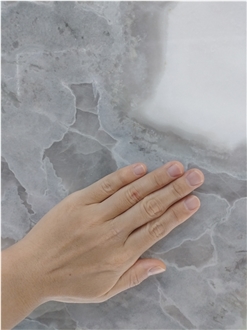
How can I repair the scratched surface of the Picasso White Marble steps?
Repairing scratches on Picasso White Marble steps involves careful attention to detail to restore the stones natural beauty. Heres a step-by-step guide to help you with the process:
1. **Clean the Surface**: Start by cleaning the steps thoroughly with a pH-neutral cleaner specially formulated for marble. This will remove any dirt or debris that might hinder the repair process. Rinse with clean water and dry using a soft cloth.
2. **Assess the Damage**: Examine the scratches to determine their depth. Surface-level scratches are easier to fix, whereas deeper ones might require professional assistance.
3. **Gather Materials**: For basic repairs, you will need:
- Microfiber cloths
- Diamond polishing pads or sandpaper (400 to 1000 grit)
- Marble polishing powder or compound
- A buffer or drill with a polishing head (optional)
- Stone sealant
4. **Sanding**: For minor scratches, start with a lower grit sandpaper (400 grit) or diamond polishing pad, and gently rub over the scratch in a circular motion. Progressively move to higher grits (up to 1000 grit) until the scratch is no longer visible.
5. **Polishing**: Once the scratch is leveled with the surrounding surface, apply a marble polishing powder or compound according to the manufacturer’s instructions. This step will restore the shine lost during sanding.
6. **Buffing**: If using a buffer or a drill with a polishing head, work at a low speed to gently buff the step, giving it a uniform shine. Alternatively, use a dry microfiber cloth to buff manually until the surface shines.
7. **Sealing**: After polishing, clean the surface again to remove any residue and allow it to dry completely. Apply a stone sealant to protect the marble from future scratches and stains according to the product instructions.
8. **Maintenance**: Regular cleaning with a suitable marble cleaner and avoiding abrasive materials can prevent future damage.
For deep scratches or if the repair does not meet your expectations, consider consulting a professional stone restoration expert.
Is Picasso White Marble with a polished surface good for house flooring?
Using Picasso White Marble with a polished surface for house flooring can be a good choice, but there are several factors to consider:
1. **Aesthetics**: Picasso White Marble is known for its beautiful and unique veining, which can add an elegant and luxurious touch to any home. Its polished finish enhances its natural beauty, making the colors and patterns more vibrant.
2. **Durability**: Marble is generally a durable material for flooring, but it is softer than granite and can be prone to scratching and etching. Consider the amount of foot traffic in the area where you plan to install the marble and whether the flooring will endure heavy use.
3. **Maintenance**: Polished marble requires regular maintenance to keep it looking its best. It should be sealed initially and resealed periodically to prevent staining. Spills, especially acidic substances, should be cleaned up promptly to avoid etching.
4. **Slip Resistance**: The polished surface of marble can be very slippery, especially when wet. This might be a concern in areas prone to spills or moisture, like kitchens or bathrooms.
5. **Temperature Sensitivity**: Marble can feel cold underfoot, which might not be ideal for all climates. However, its an excellent conductor of heat, making it compatible with underfloor heating systems.
6. **Cost**: Marble is generally more expensive than other materials like ceramic or porcelain tiles. Ensure it fits within your budget, including professional installation and future maintenance costs.
Ultimately, the suitability of Picasso White Marble for house flooring depends on your specific needs, the intended use of the space, and your willingness to maintain it. If you appreciate its aesthetic appeal and are committed to its upkeep, it can be a stunning addition to your home.
If lemonade spills on a Picasso White Marble kitchen countertop, will it damage the surface?
Lemonade can potentially damage a Picasso White Marble countertop due to its acidic nature. Marble is a calcium carbonate-based stone, which makes it susceptible to etching and staining when exposed to acidic substances like citrus juices. If lemonade spills on the marble surface, it can cause etching, which appears as dull spots or marks on the polished surface.
To minimize damage, it is important to clean up the spill as quickly as possible. Use a soft cloth or paper towel to blot up the liquid without rubbing, which can spread the acid over a larger area. After blotting, clean the affected area with a pH-neutral stone cleaner or a mixture of mild dish soap and water. Rinse with water and dry thoroughly with a clean cloth.
For regular maintenance and to protect marble surfaces, consider sealing the countertop as recommended by the manufacturer or stone specialist. This can help provide some protection against staining, although it wont prevent etching from acidic substances.
Can I use bleach when cleaning a Picasso White Marble kitchen countertop?
Using bleach on a Picasso White Marble kitchen countertop is not recommended. Marble is a natural stone that is sensitive to acidic and alkaline substances, which can cause etching or dulling of the surface. Bleach, being an alkaline substance, can potentially damage the finish or discolor the marble.
Instead, use a mild, pH-neutral cleaner specifically designed for natural stone, or simply clean with warm water and a few drops of dish soap. Its also important to use a soft cloth or sponge to avoid scratching the surface. Regularly sealing your marble countertop can help protect it from stains and damage, but always follow the manufacturers guidelines for care and maintenance.
If I cut meat directly on my Picasso White Marble kitchen countertop, will it damage the surface?
Cutting meat directly on your Picasso White Marble kitchen countertop is not recommended. Marble is a relatively soft and porous stone, making it susceptible to scratches, etches, and stains. Using knives directly on the marble surface can cause scratches, while juices from the meat can potentially stain the stone or seep into any existing fissures or pores.
To protect your countertop, always use a cutting board when preparing food. This will not only preserve the beauty and integrity of your marble but also help maintain hygiene by providing a more easily sanitized surface for food preparation.
What is the coefficient of friction of Filled China's Picasso White Marble tiles?
The coefficient of friction of Filled Chinas Picasso White Marble tiles would depend on various factors such as the surface finish, texture, and any sealing or treatment applied to the tiles. Without specific information regarding these factors, it is not possible to provide an accurate value for the coefficient of friction.
What is the average hardness of China's Picasso White Marble?
There is no specific average hardness value for Chinas Picasso White Marble, as it can vary depending on the specific quarry and characteristics of the stone. However, most marbles are relatively soft and have a hardness range between 3 and 4 on the Mohs scale. It is advisable to consult with a geologist or stone supplier for accurate hardness information regarding a specific batch of Chinas Picasso White Marble.
Can China's Picasso White Marble be used outdoors?
Yes, Chinas Picasso White Marble can be used outdoors. It is a durable and hard marble variety that is known for its resistance to weathering and natural elements. This makes it suitable for various outdoor applications such as flooring, paving, cladding, outdoor sculptures, and architectural features. However, it is always recommended to consult with professionals or suppliers for specific recommendations on the usage and maintenance of this marble in different outdoor settings.
Can China's Picasso White Marble be used exterior applications in cold climates?
Yes, Chinas Picasso White Marble can be used for exterior applications in cold climates. Marble is a natural stone that is known for its durability and resistance to weathering. However, it is important to note that proper installation and maintenance are crucial to ensure the longevity of the marble in cold climates.
In cold climates, it is important to consider the freeze-thaw cycles that can occur. Water can seep into the pores of the stone, freeze, and expand, causing cracks or damage. To prevent this, it is recommended to seal the marble properly and use a grout that is suitable for freeze-thaw conditions. Regular sealing and proper cleaning also help maintain the appearance and durability of the marble.
Additionally, it is essential to assess the specific type and quality of the Chinas Picasso White Marble being considered for exterior use. Different varieties of marble have varying levels of durability, strength, and resistance to weathering. It is advisable to consult with a professional stone supplier or installer who can provide accurate information and guidance based on the specific characteristics of the marble.


15YR


