Post Your Needs

Pietra Morena Phyllite

Grey - Phyllite

Italy

About

Item Details

Material Type:
Phyllite
Origin:
Italy (San Benigno Canavese)
Primary Color(s):
Grey
Recommended Usage:
monuments, building stone, ornamental stone, stairs, interior, exterior wall and floor applications, mosaic, wall panels, reliefs, window sills, balustrades, columns, wall and pool copings, pool pavers, sculptures, fireplaces, cobbles, pavers, curbstone
Additional Names:
Pietra Morena Calcarenite, Pietra Arenaria Nera Anthracite, Pietra Morena Phyllite, Pietra Morena, Pietra Morena Phyllite
Finished Surface:
Flamed,Bush Hammered,Tumbled,Brushed,Honed,Split,Machine Cut,Natural Surface,Acid Washing,Combed,Leathered,Water Jet,Chiseled,Pickling

Testing

Water Absorption:
0.4 - 0.6 %
Density:
2700 kg/m³
Flexural Strength:
13.5 - 16.5 MPa
Compressive Strength:
90.5 - 110.5 MPa
Stone texture:
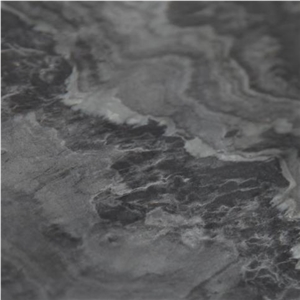
visually striking metamorphic stone known for its distinctive dark coloring and silky sheen; Features an anthracite-to-dark grey hue with a characteristic satiny luster (or phyllitic sheen) caused by aligned micaceous minerals

Description

Pietra Morena Phyllite is a visually striking metamorphic stone known for its exceptional dark coloring and silky sheen. Quarried in San Benigno Canavese, Italy, this phyllite features an anthracite-to-dark grey hue, enhanced by a characteristic satiny luster or phyllitic sheen due to the alignment of micaceous minerals. This exceptional stone is renowned for both its aesthetic appeal and robust physical properties, making it a popular choice for a range of architectural and design applications.

Physical and Mechanical Properties:

  • Water Absorption: Approximately 0.4-0.6%
  • Density: Around 2,700 kg/m³
  • Flexural Strength: Approximately 13.5 - 16.5 MPa
  • Compressive Strength: Typically between 90-110 MPa
  • Hardness: Ranges from 2.5 to 4 on the Mohs scale
  • Porosity: Usually less than 1%
  • Slip Resistance: Generally high, depending on surface finish

Chemical and Mineral Compositions (Approximate % by weight):

  • Quartz: 40-50%
  • Mica (Muscovite/Chlorite): 30-40%
  • Feldspar: 10-15%
  • Other Minerals (e.g., carbonates, graphite): 5-10%

Usage and Applications:

  • Architectural Cladding: Due to its aesthetic appeal and durability.
  • Flooring and Wall Coverings: Suitable for interior and exterior uses, providing both resilience and an attractive surface.
  • Countertops and Vanity Tops: Its hardness and striking appearance make it an excellent choice for kitchen and bathroom installations.
  • Stairs and Treads: Provides a slip-resistant surface with durability.
  • Landscaping Features: Used for pathways, paving, and decorative rockeries.

Maintenance:

  • Regular Cleaning: Use mild pH-neutral solutions and water.
  • Sealing: Periodic sealing recommended to prevent stains and protect the stone.
  • Avoid Harsh Chemicals: Use non-abrasive cleaning tools to preserve the surface finish.

Available Common Surface Finish Options:

  • Polished: Offers a high-gloss finish that enhances the stone’s color and sheen.
  • Honed: Provides a smooth, matte surface with minimal reflectivity.
  • Brushed: Offers a textured finish that retains the stone's natural appearance.
  • Sandblasted: Results in a rougher, slip-resistant surface that is ideal for outdoor use.
  • Leathered: Provides a soft, textured surface with subtle sheen.

Pietra Morena Phyllite is not only visually impressive but also delivers exceptional performance, making it a versatile choice for a wide range of architectural and design undertakings.

FAQ

What is the coefficient of friction of Leathered Italy's Pietra Morena Phyllite tiles?

The coefficient of friction of tiles can vary depending on a range of factors including the surface finish and texture of the tile. Without specific information, it is not possible to determine the coefficient of friction of Leathered Italys Pietra Morena Phyllite tiles with certainty. It is recommended to contact the manufacturer or supplier for this information.

Can Italy's Pietra Morena Phyllite be used exterior applications in very dusty climates?

It is not recommended to use Italys Pietra Morena Phyllite in exterior applications in very dusty climates. Phyllite is a type of metamorphic rock that is generally considered more suitable for interior applications due to its relatively low resistance to weathering and abrasive environments. In very dusty climates, the fine dust particles can accelerate the erosion process and affect the appearance and durability of the stone over time.

Can Italy's Pietra Morena Phyllite be used in a dining room?

Yes, Pietra Morena Phyllite from Italy can be used in a dining room. Phyllite is a type of metamorphic rock that is known for its durability and unique patterns. It can be polished to create a glossy surface or left unpolished for a more natural and rustic look. Using Pietra Morena Phyllite in a dining room can add a touch of elegance and sophistication. It can be used as flooring, countertops, or even as a decorative wall feature. The natural colors and patterns of the stone can complement different interior styles, whether it is a modern, traditional, or rustic dining room. Moreover, phyllite is resistant to heat and moisture, making it suitable for dining room applications. It is also relatively low-maintenance and easy to clean, making it practical for a space that might experience spills or food stains. Ultimately, the choice to use Pietra Morena Phyllite in a dining room depends on personal preference and the desired aesthetic. However, given its durability and versatility, it can certainly be a great option for adding natural beauty to a dining room space.

Can Italy's Pietra Morena Phyllite be used outdoors?

Yes, Italys Pietra Morena Phyllite can be used outdoors. Phyllite is a type of metamorphic rock that is known for its durability and weather resistance, making it suitable for outdoor applications. It can be used for various purposes such as outdoor flooring, cladding, paving, and landscaping. However, it is always recommended to consult with a professional stone supplier or installer to ensure that the specific type and quality of Pietra Morena Phyllite you have is suitable for your intended outdoor use.

Can Italy's Pietra Morena Phyllite be used in wall coverings?

Yes, Italys Pietra Morena Phyllite can be used as a wall covering material. Phyllite is a type of metamorphic rock that has a distinct texture and coloration, typically characterized by fine-grained layers. It is often used in construction and design applications, including wall cladding or coverings. The unique appearance of Pietra Morena Phyllite can add an elegant and natural aesthetic to interior or exterior walls. However, it is recommended to consult with professionals or suppliers familiar with this specific material to ensure proper installation and maintenance.

Are there color variations of Italy's Pietra Morena Phyllite?

Yes, there can be slight variations in color in Italys Pietra Morena Phyllite. It typically has a dark gray to black color with prominent streaks and bands of lighter gray or greenish hues. The intensity and distribution of these colors can vary depending on the specific quarry and location within Italy. Additionally, the natural variations in the stone can be further enhanced through different finishing processes, such as polishing or honing, which can bring out different tones and patterns in the phyllite.

How thick is Italy's Pietra Morena Phyllite slabs?

I do not have access to the latest information on the exact thickness of Italys Pietra Morena Phyllite slabs. However, generally, natural stone slabs can vary in thickness depending on the type of stone and the intended use. Standard thicknesses for natural stone slabs can range from about 1/2 inch to 2 inches.

What grade is Italy's Pietra Morena Phyllite?

I do not have access to the grading system of geological materials used within Italys context. However, phyllite is a metamorphic rock with a fine-grained texture that typically develops from shale or mudstone. The grade of phyllite is based on the degree of metamorphism it has undergone, which is determined by factors such as temperature, pressure, and duration.

Is Italy's Pietra Morena Phyllite an expensive stone?

I dont have the latest market prices of Pietra Morena Phyllite. However, Pietra Morena Phyllite is considered a rare and exotic stone. Therefore, it may be more expensive than other common stones. Its cost may vary depending on several factors like quality, availability, and demand.

Products & Prices

Hot Grey Phyllite

New Phyllite

Post Your Request

The request includes:
  1. surface finished, size
  2. quantity required