Post Your Needs

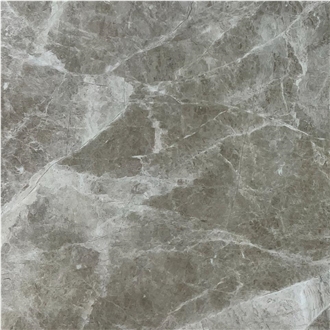
Platinum Blue Grey Marble

Marble

Myanmar

About

Item Details

Material Type:
Marble
Origin:
Myanmar
Recommended Usage:
kitchen and bathroom countertop, wash basins, building stone, ornamental stone, stairs, interior, exterior wall and floor applications, mosaic, water-jet pattern, wall panels, table tops, balustrades, columns, wall and pool copings, pool pavers, sculptures, fireplaces, window sills
Additional Names:
Poli Blue-Gray Marble, Platinum Blue Marble, Platinum Grey Marble, in China stone market:铂丽蓝灰(Bólì Lánhuī)
Finished Surface:
Polished,Bush Hammered,Tumbled,Brushed,Honed,Split,Machine Cut,Natural Surface,Sandblasted,Combed,Leathered,Water Jet,Chiseled,Pickling

Testing

Water Absorption:
0.20 - 0.40% by weight
Density:
2680 - 2730 kg/m³
Flexural Strength:
9 - 13 MPa
Compressive Strength:
90 - 110 MPa

Description

Platinum Blue Grey Marble is a sophisticated marble quarried in Myanmar, featuring a pale greyish-green to creamy off-white base with cool bluish-grey undertones, accented by dense, swirling, feather-like veins in dark charcoal grey and black that resemble flowing ink or natural landscape textures, creating a dynamic yet balanced appearance.

Color & Appearance:Platinum Blue Grey Marble features a sophisticated pale greyish-green to creamy off-white base subtly infused with cool bluish-grey undertones, creating a serene and elegant appearance.

Texture & Structure:Fine- to medium-grained crystalline texture with a compact structure and smooth, dense surface. The crystalline character becomes more pronounced under polished finishes, enhancing the stone's depth and natural luminosity.

Pattern & Veining:The marble is characterized by dense, swirling, feather-like veins in dark charcoal grey and black. The intricate, fluid patterns resemble flowing ink or natural landscape textures, creating dynamic movement and balanced contrast against the lighter background.

Technical Characteristics — Indicative:

  • Water Absorption: 0.20–0.40% by weight
  • Density: 2,680–2,730 kg/m³
  • Flexural Strength: 9–13 MPa
  • Compressive Strength: 90–110 MPa
  • Open Porosity: 0.20–0.60%
  • Hardness: 3–4 Mohs

Mineral Composition — Indicative, % by Weight:

  • Calcite: 88–96%
  • Dolomite: 1–5%
  • Quartz: 1–3%
  • Mica/Chlorite: 0–2%
  • Feldspar and Accessory Minerals: 0–2%

Chemical Composition — Indicative, % by Weight:

  • CaCO₃: 86–94%
  • MgCO₃: 1–4%
  • SiO₂: 1–3%
  • Al₂O₃: 0.1–1.0%
  • Fe₂O₃: 0.1–1.0%
  • Other Oxides: 0–2%

Usage:Suitable for interior flooring, wall cladding, feature walls, bathroom walls, vanity tops, countertops, backsplashes, fireplace surrounds, staircases, reception desks, tabletops, furniture, decorative panels, hotel interiors, and other luxury architectural applications. Selected slabs may also be suitable for bookmatched installations

Finishes:Polished, honed, leathered, brushed, sanded, waterjet, and other custom finishes.

Maintenance:Clean with a pH-neutral stone cleaner and a soft cloth or mop. Avoid vinegar, lemon, acidic cleaners, abrasive products, and harsh chemicals, which can etch or dull the calcite-rich surface. Seal according to the stone's porosity and intended application, particularly for countertops and bathroom surfaces. Wipe spills promptly to minimize staining.

FAQ

Can 18mm thick Platinum Blue Grey Marble be used for stair steps?

Yes, 18mm thick Platinum Blue Grey Marble can be used for stair steps. Marble is a durable and aesthetically pleasing material that is commonly used for staircases. However, its important to ensure that the marble is properly installed and supported to prevent any cracking or damage under load. Additionally, consider the finish of the marble, as polished surfaces can be slippery. Using a honed or textured finish can help provide better traction and enhance safety on the stairs. Its always advisable to consult with a professional installer to ensure that the marble is suitable and installed correctly for your specific application.

Is calcitic Platinum Blue Grey Marble resistant to acids?

Calcitic Platinum Blue Grey Marble, like most marble types, is primarily composed of calcium carbonate. Calcium carbonate is susceptible to acids, which means that this type of marble is not resistant to acidic substances. When exposed to acids, such as vinegar or lemon juice, calcitic marbles can etch and lose their polish. If youre considering using this marble in areas where it may come into contact with acidic substances, its important to seal the surface and exercise caution to protect it from damage.

Is Platinum Blue Grey Marble translucent or suitable for backlighting?

Platinum Blue Grey Marble is not typically known for being translucent, which is an important feature for a stone to be suitable for backlighting. Marble generally has some degree of translucency, but this depends on the specific type and thickness of the marble. For a stone to be effectively backlit, it usually needs to have significant translucency, like certain types of onyx or alabaster. While some marbles can be backlit if thinly cut, its essential to consult with a supplier or a stone expert to determine if a specific batch of Platinum Blue Grey Marble can achieve the desired effect. If backlighting is a crucial element in your design, you may want to explore other materials specifically known for their translucency.

Can Platinum Blue Grey Marble floor tiles discoloration be fixed?

Discoloration in Platinum Blue Grey Marble floor tiles can often be addressed, depending on the cause and extent of the discoloration. Here are some steps you can take to try to fix the issue: 1. **Identify the Cause:** - Determine whether the discoloration is due to stains, wear and tear, moisture, or chemical reactions. Understanding the cause can help you choose the appropriate treatment. 2. **Regular Cleaning:** - Start with a gentle, pH-neutral stone cleaner to remove any surface dirt or grime. Avoid using harsh chemicals or acidic cleaners, which can damage the marble. 3. **Stain Removal:** - For specific stains (e.g., oil, organic, or metal), consider using a poultice. A poultice is a paste made of a cleaning agent and a substance like baking soda. Apply the poultice to the stained area, cover it with plastic wrap, let it sit for 24 to 48 hours, then rinse and dry. 4. **Polishing:** - If the marbles finish is dull or discolored, polishing might help restore its shine. Use a marble-specific polishing powder or pads, and follow the manufacturers instructions carefully. 5. **Resealing:** - Marble should be sealed periodically to protect it from stains. If the discoloration is due to liquids penetrating the surface, resealing might help prevent future issues. 6. **Professional Cleaning and Restoration:** - If the discoloration persists or if you’re unsure about handling it yourself, it may be worth consulting a professional stone restoration expert. They can assess the damage and perform more advanced treatments like honing or grinding if necessary. Remember that while many discolorations can be treated, some might be permanent, depending on the marbles condition and previous maintenance. Always test any cleaning or restoration method on a small, inconspicuous area first to ensure it doesn’t worsen the problem.

Can I use bleach when cleaning a Platinum Blue Grey Marble floor tiles?

It is not recommended to use bleach on Platinum Blue Grey Marble floor tiles or any marble surfaces. Marble is a natural stone that can be sensitive to acidic or harsh chemical cleaners, which can cause etching, discoloration, or damage to the surface. Bleach is a strong chemical that can harm the marbles finish. Instead, use a pH-neutral cleaner specifically designed for natural stone, or simply use warm water with a mild dish soap. Always ensure to rinse the surface thoroughly with clean water and dry it with a soft cloth to prevent water spots or streaks. Avoid using abrasive pads or brushes that could scratch the marble. Regular maintenance and gentle cleaning will help preserve the beauty and longevity of your marble floor tiles.

How can I check whether a Platinum Blue Grey Marble needs sealing?

To determine whether your Platinum Blue Grey Marble needs sealing, you can perform a simple water test. Heres how: 1. **Clean a Small Area**: Before testing, ensure that the surface of the marble is clean by wiping it down with a pH-neutral stone cleaner and allowing it to dry completely. 2. **Water Test**: - Pour a small amount of water (around a tablespoon) on the surface of the marble. - Let the water sit for about 10 to 15 minutes. 3. **Observe**: - **Absorption**: If the water is absorbed into the marble and the stone darkens, this indicates that the marble is porous and needs sealing. - **Beading**: If the water remains on the surface and does not absorb, forming droplets instead, your marble is still sealed adequately. 4. **Check for Staining**: After wiping away the water, check if there is any darkening or staining left on the marble. If the surface appears unchanged, the marble is likely well protected. 5. **Sealant Recommendations**: - If you determine that sealing is necessary, choose a high-quality impregnating sealer specifically designed for natural stone. Follow the manufacturers instructions for application. Remember, the frequency of sealing can vary depending on the marbles usage and location, so it’s good to perform this test periodically. Regular maintenance and prompt cleaning of spills can also help maintain the marbles appearance and longevity.

Hot Marble

New Marble

Post Your Request

The request includes:
  1. surface finished, size
  2. quantity required