Post Your Needs

Platinum Sands Marble

Semi White - Marble

China

About

Item Details

Material Type:
Marble
Origin:
China
Primary Color(s):
Semi White
Recommended Usage:
Kitchen and bathroom countertops, monuments, building stone, ornamental stone, stairs, interior, exterior wall and floor applications, mosaic, waterjet pattern, balustrades, fireplaces, columns, wall panels
Additional Names:
China Palissandro Marble, White Sands Marble, in China Stone Market:白金沙(Bái jīnshā), Platinum Sands Marble
Finished Surface:
Polished,Bush Hammered,Tumbled,Brushed,Honed,Split,Machine Cut,Natural Surface,Sandblasted,Acid Washing,Combed,Water Jet,Filled,Chiseled,Pickling

Description

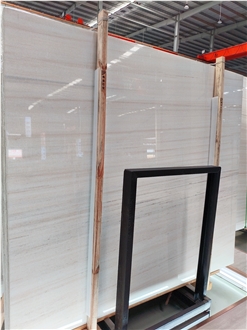
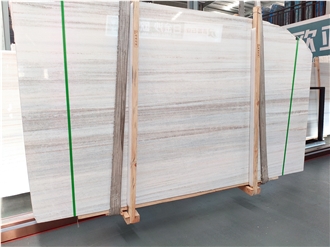
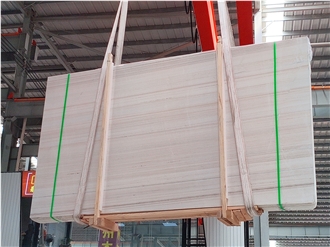
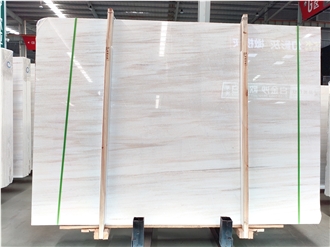
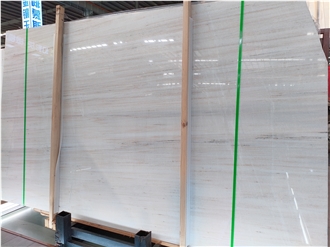
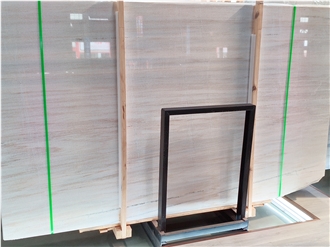
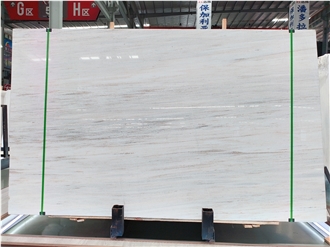
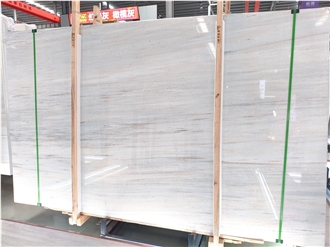
Platinum Sands Marble, also known as China Palissandro Marble, is a type of marble that is quarried in China. It is highly regarded for its luxurious appearance and striking coloration, making it a popular choice for various architectural and design applications.

Platinum Sands Marble features a beautiful combination of white and gray tones, with subtle hints of beige or silver. The base color is typically a soft white or creamy hue, while delicate veining and patterns in shades of gray flow throughout the stone. The veining can vary in intensity, creating a dynamic and visually captivating look reminiscent of sandy beachscapes.

This marble variety exhibits a smooth and polished surface, enhancing its natural beauty and allowing the intricate patterns and colors to shine. The polished finish brings out the depth and richness of the stone, providing a touch of elegance and sophistication to any space.

Platinum Sands Marble is composed primarily of calcite or dolomite minerals, which contribute to its durability and strength. It is suitable for various applications, including flooring, wall cladding, countertops, and decorative accents. Its versatility allows it to be incorporated into both modern and traditional design styles, adding a touch of luxury and timeless beauty.

China Palissandro Marble, as another name for Platinum Sands Marble, refers to the same material. It reflects the connection to its origin in China and highlights the marble's resemblance to the renowned Palissandro marble from Italy.

Please note that while I strive to provide accurate information, the specific details and availability of Platinum Sands Marble or China Palissandro Marble may vary. It's recommended to consult with local experts or suppliers for the most up-to-date and precise information about this particular marble variety.

FAQ

Does Platinum Sands Marble kitchen countertop scratch easily?

Platinum Sands Marble is a type of natural stone that is known for its durability, but like all natural stones, it is still susceptible to scratching with regular use. While it is less likely to scratch than softer materials like marble or limestone, it is still recommended to use cutting boards and trivets to protect the surface from scratching. Additionally, sealing the countertop regularly can help prevent scratches and maintain its appearance.

Can dolomitic Platinum Sands Marble be used as a kitchen cutting board?

Yes, dolomitic Platinum Sands Marble can be used as a kitchen cutting board. Marble is a durable and heat-resistant material that can withstand the pressure and sharp edges of knife blades. However, it is important to note that marble is a softer stone compared to granite or quartz, so it may scratch or chip more easily. To maintain the beauty and integrity of the marble cutting board, it is recommended to use a cutting mat or wooden cutting board on top of the marble surface when cutting to prevent damage. Additionally, it is important to clean and sanitize the marble cutting board properly after each use to prevent bacterial growth.

Can polished finish Platinum Sands Marble be used for pool coping?

Yes, a polished finish Platinum Sands Marble can be used for pool coping. This type of marble is durable and can withstand exposure to water and pool chemicals. Additionally, the polished finish will provide a sleek and elegant look to your pool area. Just make sure to properly seal the marble to protect it from potential staining and discoloration.

What are the types of kitchen countertop edge profiles?

1. Square edge: A simple, straight edge that provides a clean and modern look. 2. Beveled edge: A slight angle or chamfer on the top edge of the countertop, adding a subtle detail. 3. Bullnose edge: A rounded edge that is smooth to the touch and provides a soft, finished look. 4. Ogee edge: A decorative edge profile that features an S-shaped curve, adding elegance and sophistication. 5. Waterfall edge: A cascading edge that extends vertically down the sides of the countertop, creating a seamless and continuous look. 6. Cove edge: A concave edge profile that adds a unique design element to the countertop. 7. Half bullnose edge: Similar to a full bullnose edge, but with a rounded top edge and a straight bottom edge. 8. Bead edge: A detail edge profile that features a small, rounded bead along the top edge of the countertop. 9. Mitered edge: A precision-cut edge profile that creates a seamless joint at a 45-degree angle. 10. Demi bullnose edge: A half-round edge profile that is commonly used for a softer, curved look.

Can dolomitic stone Platinum Sands Marble have a flamed surface finish?

It is possible to flame finish dolomitic stone Platinum Sands Marble. However, it is important to keep in mind that the flamed surface finish may slightly change the appearance of the stone and may not be suitable for all applications. It is recommended to consult with a stone professional or contractor to determine if a flamed finish is the best option for your specific project.

Can I use Platinum Sands Marble for fireplace design?

Yes, Platinum Sands Marble can be used for fireplace design. It is a durable and elegant material that can add a touch of luxury to your fireplace. Just make sure to consult with a professional to ensure that the material is suitable for fireplace use and to properly install it in a safe and functional manner.

How to repair the scratched marble kitchen countertop surface?

Repairing a scratched marble kitchen countertop surface requires patience and precision. Here are steps you can take to repair the scratches: 1. Clean the surface: Before you begin the repair process, thoroughly clean the countertop surface with a mild detergent and warm water. Make sure to remove any dirt, grime, or residue from the scratches. 2. Assess the damage: Examine the scratches to determine their depth and severity. Superficial scratches can often be buffed out, while deeper scratches may require more intensive repair. 3. Use a marble polish: For light scratches, you can try using a marble polish to buff out the scratches. Apply a small amount of the polish to a soft cloth and rub it into the scratched area in a circular motion. Continue buffing until the scratches are no longer visible. 4. Use a marble repair kit: For deeper scratches, you may need to use a marble repair kit specifically designed for repairing scratches and damage to marble surfaces. Follow the instructions on the kit carefully to ensure proper application and repair. 5. Sanding and re-polishing: If the scratches are still visible after using a marble polish or repair kit, you may need to sand down the scratched area with fine-grit sandpaper and then re-polish the surface to restore its shine. 6. Seal the surface: Once the scratches have been repaired, apply a marble sealer to protect the surface and prevent future damage. Follow the manufacturers instructions for proper application and reapplication as needed. 7. Prevent future scratches: To prevent future scratches, make sure to use cutting boards, trivets, and coasters on the countertop surface to protect it from damage. Regularly clean and maintain the surface to keep it looking its best.

How to repair the cracked marble kitchen countertop edge?

Repairing a cracked marble kitchen countertop edge can be a delicate process, but it is possible to fix it with the right tools and materials. Here is a step-by-step guide on how to repair a cracked marble kitchen countertop edge: 1. Clean the cracked area: Use a mild soap and water solution to clean the cracked edge of the countertop. Make sure to remove any dirt, debris, or grease from the surface. 2. Assess the damage: Determine the extent of the crack and whether any pieces of the marble need to be reattached. If the crack is small, you may be able to repair it with a filler or adhesive. 3. Prepare the crack: Use a small brush or toothbrush to remove any loose particles or debris from the crack. Make sure the crack is clean and dry before proceeding with the repair. 4. Apply a marble repair adhesive: Use a high-quality marble repair adhesive to fill in the crack. Follow the manufacturers instructions for applying the adhesive, making sure to fill the crack completely and smoothly. 5. Sand the repaired area: Once the adhesive has dried, use fine-grit sandpaper to sand down the repaired area until it is smooth and level with the surrounding countertop edge. 6. Seal the repaired area: Apply a marble sealer to the repaired area to protect it from future damage and ensure that the repair blends in seamlessly with the rest of the countertop. 7. Allow the repair to cure: Let the repaired area dry and cure according to the manufacturers instructions before using the countertop again. It is recommended to consult with a professional if you are unsure about repairing the crack yourself or if the damage is extensive.

What method should be applied to prevent the marble table top from breaking?

Some methods that can be applied to prevent a marble table top from breaking include: 1. Avoid placing heavy or sharp objects on the table top. 2. Use coasters and trivets to protect the surface from hot or cold items. 3. Clean and polish the surface regularly to prevent scratches and other damage. 4. Consider applying a sealant to protect the surface from spills and stains. 5. Place felt pads or rubber feet under heavy objects to distribute weight and prevent damage. 6. Avoid dragging or sliding heavy items across the table top.

How thin can Platinum Sands Marble be cut as walling tiles?

Platinum Sands Marble can be cut into walling tiles as thin as 1cm (0.39 inches). However, it is important to ensure that the tiles are cut to a thickness that is suitable for the specific application and will be strong enough to withstand the intended use. It is recommended to consult with a stone cutting professional or supplier to determine the appropriate thickness for your project.

Products & Prices

View More

Hot Semi White Marble

New Marble

Post Your Request

The request includes:
  1. surface finished, size
  2. quantity required