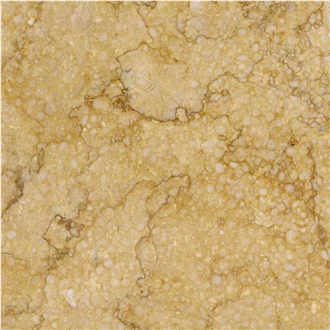
Pocahodas Cloudy Marble

About
Item Details
- Material Type:
- Marble
- Origin:
Greece (Argolid(Argolis),Peloponnese) - Primary Color(s):
- Yellow
- Recommended Usage:
- kitchen and bathroom countertops, wash basins, building stone, ornamental stone, stairs, interior, exterior wall and floor applications, mosaic, waterjet pattern, wall panels, table tops, balustrades, columns, wall and pool copings, pool pavers, fireplaces, window sills
- Additional Names:
- Pocahodas Cloud Marble, Pocahodas Marble, Poxahontas Cloudy Marble, Pocahodas Cloudy, Pocahodas Cloudy Marble
- Finished Surface:
- Polished,Bush Hammered,Tumbled,Brushed,Honed,Split,Machine Cut,Natural Surface,Sandblasted,Combed,Leathered,Water Jet,Filled,Chiseled,Pickling
Testing
- Water Absorption:
- 0.3 %
- Density:
- 2800 Kg/m3
- Flexural Strength:
- 16.4 MPa
- Compressive Strength:
- 157.0 MPa
- Stone texture:
- a highly veined marble featuring prominent diagonal streaks of dark green, gold/yellow, and brown against a lighter grey/beige background
Description
Pocahodas Cloudy Marble is an exquisite type of marble quarried in the Argolis region of Peloponnese, Greece. It's known for its unique and striking appearance characterized by prominent diagonal streaks of dark green, gold/yellow, and brown against a lighter grey or beige background. Here's a detailed description across various aspects:
Physical and Mechanical Properties
- Apparent Density (EN 1936): 2800 kg/m³
- Open Porosity (EN 1936): 0.9% vol.
- Water Absorption at Atmospheric Pressure (EN 13755): 0.3% wt.
- Compressive Strength (EN 1926): 157 MPa
- Flexural Strength (EN 12372): 16.4 MPa
- Breaking Load at Dowel Hole (EN 13364): 2000 N
- Abrasion Resistance (EN 14157 – Method B): 15188 mm³
- Rupture Energy (EN 14158): 3 Joules
- Frost Resistance (EN 12371): 13.1 MPa
- Hardness: Not specified, but generally marble has a hardness of 3-4 on the Mohs scale. Reflects the marble's resistance to abrasion and scratching.
- Porosity: Given the low water absorption, porosity is low. This property affects stain resistance and longevity.
- Slip Resistance: Depends on the finish; polished surfaces have lower slip resistance, while honed or textured finishes offer better traction.
Chemical and Mineral Compositions (Approximate % by Weight)
- Calcite (CaCO3): 90-95%. Primary constituent of marble, responsible for its classic look and feel.
- Dolomite (CaMg(CO3)2): 1-3%. Can affect the color and hardness.
- Quartz (SiO2), Feldspar, Mica, and other minerals: 1-5%. Influence the color striations and patterns.
Usage
- Interior Applications: Flooring, wall cladding, stairs, fireplaces, and countertops.
- Exterior Applications: Facades, although care should be taken due to weather exposure.
- Decorative Pieces: Sculptures and other artistic applications.
Maintenance
- Regular Cleaning: Use a soft cloth and a pH-neutral cleaner to avoid etching.
- Sealing: Regular sealing is recommended to enhance stain resistance.
- Avoid Abrasives: Do not use harsh cleaners or abrasive pads.
Cutting Sizes (cm)
Commonly available in slabs and tiles; standard sizes include 30x30, 30x60, 60x60, and custom sizes based on project requirements.
Common Surface Finish Options
- Polished: Offers a glossy, mirror-like finish, enhancing color and veining but reduces slip resistance.
- Honed: Provides a matte finish, suitable for flooring where slip resistance is needed.
- Brushed: Textured surface, giving an antique look.
- Tumbled: Creates a rustic appearance with rounded edges and a slightly antiqued surface.
This comprehensive overview of Pocahontas Cloudy Marble highlights its aesthetic appeal and functional attributes, making it a versatile choice for various architectural and decorative applications.
FAQ
An 18 mm thick slab of Pocahontas Cloudy Marble can be used as a kitchen countertop, but there are several factors to consider before proceeding:
1. **Durability**: Marble is a softer and more porous stone compared to granite or quartz, making it more susceptible to scratching, staining, and etching from acidic substances. While Pocahontas Cloudy Marble offers a unique and beautiful appearance, it may require more maintenance to keep it looking pristine in a high-traffic area like a kitchen.
2. **Thickness**: An 18 mm (approximately 3/4 inch) thickness is relatively thin for a kitchen countertop, which typically ranges from 20 mm to 30 mm in thickness. Thinner slabs may require additional support to prevent cracking or breaking, particularly around areas with cutouts for sinks or appliances.
3. **Sealing**: Regular sealing is recommended for marble countertops to protect against stains and moisture absorption. Ensure that the slab is properly sealed upon installation and resealed periodically, as determined by the manufacturers recommendations or use conditions.
4. **Support**: Additional support or substrate might be required to reinforce the countertop, especially under overhangs or spans between cabinets. Consult with a professional installer to determine the necessary support to ensure stability and safety.
5. **Aesthetic**: Marble offers a timeless and elegant look that can enhance the aesthetic of a kitchen. Pocahontas Cloudy Marble, with its unique patterns and veining, can be a visually striking choice.
Consult with a professional stone fabricator or installer to assess your specific needs and kitchen setup to determine if this marble slab is suitable and to discuss any necessary precautions or reinforcements.
How can I maintain Pocahodas Cloudy Marble flooring?
Maintaining Pocahontas Cloudy Marble flooring involves regular cleaning and care to ensure its longevity and aesthetic appeal. Here are some tips to help you keep your marble floor looking its best:
1. **Regular Cleaning:**
- **Dust Removal:** Use a soft broom or a dry dust mop to remove dust and debris daily.
- **Mopping:** Clean the floor with a damp mop using warm water and a pH-neutral cleaner specifically designed for marble. Avoid using acidic or alkaline cleaners, as they can damage the marble.
2. **Spill Management:**
- Wipe up spills immediately to prevent staining. Marble is porous and can absorb liquids quickly, which can lead to stains.
- For stains, use a poultice made of baking soda and water or a commercial marble poultice to draw out the stain.
3. **Protection:**
- Use mats or rugs at entryways to trap dirt and grit before it reaches your marble flooring. Ensure these have non-slip backings to prevent accidents.
- Place protective pads under furniture legs to prevent scratches.
4. **Polishing and Sealing:**
- Polish marble surfaces regularly to maintain their shine. Use a marble polish or ask a professional for recommendations.
- Depending on foot traffic, seal the marble floor every 6-12 months with a high-quality stone sealer to protect against staining and etching.
5. **Avoid Hard Water:**
- Hard water can etch marble surfaces. Use distilled or filtered water for cleaning if possible.
6. **Avoid Abrasive Materials:**
- Do not use abrasive scrubbers or cleaners that contain harsh chemicals as they can scratch and damage the surface of the marble.
7. **Professional Care:**
- For serious scratches, etching, or difficult stains, you may need to seek professional help to refinish or polish the marble.
By following these maintenance tips, you can help preserve the beauty and functionality of your Pocahontas Cloudy Marble flooring.
Pocahodas Cloudy Marble has its own natural veins. If I use it as stair steps, will it break along these veins?
Pocahontas Cloudy Marble, like many natural stones, does have veining and natural patterns which contribute to its aesthetic appeal. However, these veins can sometimes be areas of relative weakness compared to the rest of the slab. When using this type of marble for stair steps or other structural applications, several factors need to be considered to minimize the risk of breaking along the veins:
1. **Quality and Selection**: Choose high-quality slabs with minimal veining running through critical structural areas.
2. **Thickness**: Ensure the marble is thick enough to support expected traffic and weight without undue stress on the veins.
3. **Installation**: Proper installation by experienced professionals can greatly reduce the risk of cracking or breaking. This includes ensuring a solid, even substrate and using appropriate adhesives.
4. **Support**: Provide adequate support underneath each step, particularly if the veins are prominent and could compromise strength.
5. **Maintenance**: Regular cleaning and sealing can help maintain the integrity of the marble over time.
6. **Usage**: Consider the weight and frequency of foot traffic on the stairs. Heavy or frequent use may require more durable materials.
While there is always some level of risk using natural stone with veins for structural purposes, taking these precautions can help ensure longevity and minimize the chances of breakage. If you have concerns, consult with a professional experienced with marble installations.
Is Pocahodas Cloudy Marble a suitable choice for facades in cold winter climates?
Pocahontas Cloudy Marble, like many natural stones, can be used for facades in cold winter climates, but there are several factors to consider before deciding if its the right choice for your specific project:
1. **Porosity and Absorption:** Marble is a porous stone, and if it absorbs too much moisture, it can be prone to damage from freeze-thaw cycles. Water can enter the stones pores, freeze, expand, and cause the stone to crack or spall. It is advisable to have the marble properly sealed to minimize water absorption.
2. **Durability and Density:** Different marbles have varying degrees of hardness and density. Its important to ensure that the specific type of Pocahontas Cloudy Marble you are considering has suitable durability characteristics for exterior use, including resistance to weathering and freeze-thaw cycles.
3. **Maintenance:** Marble requires regular maintenance, including cleaning and sealing, to keep it in good condition. In harsh climates, this maintenance might need to be more frequent.
4. **Finish:** The finish of the marble can affect its performance. For example, a polished finish might be more susceptible to showing weathering effects over time compared to a honed or textured finish.
5. **Installation:** Proper installation is crucial. This includes ensuring adequate drainage, avoiding water traps, and using appropriate construction techniques to accommodate the potential expansion and contraction of the stone.
It’s important to consult with an architect or a stone specialist who is familiar with the local climate and the characteristics of Pocahontas Cloudy Marble. They can provide specific advice on whether this marble is a suitable choice for your project and what precautions might be necessary.
How can I repair the scratched surface of the Pocahodas Cloudy Marble steps?
Repairing scratched marble steps, such as Pocahontas Cloudy Marble, requires careful attention to restore its appearance. Heres a guide to help you through the process:
1. **Assessment:**
- Determine the depth and extent of the scratches. Surface-level scratches can be treated at home, while deep scratches may require professional help.
2. **Cleaning:**
- Begin by cleaning the marble steps to remove any dust or debris. Use a mild pH-neutral marble cleaner and a soft cloth or sponge. Avoid acidic or abrasive cleaners that can damage the stone.
3. **Polishing Scratches:**
- For light or superficial scratches, use a marble polishing powder or a quality stone polishing compound.
- Dampen the scratched area with water.
- Apply a small amount of polishing powder.
- Use a soft damp cloth or a buffing pad attached to a low-speed polisher to gently buff the scratched area in a circular motion. Keep the surface lightly misted with water to avoid overheating and ensure even polishing.
- Wipe away residue with a clean, dry cloth.
4. **For Deeper Scratches:**
- Sand the area using wet/dry sandpaper starting with a finer grit (at least 600) and progressing to even finer grit (up to 1200 or higher) if necessary, to ensure the best finish.
- Gently sand the scratches, keeping the surface wet, and blending the edges into the surrounding area.
5. **Sealing the Surface:**
- After repair, consider sealing the marble to protect it from future scratches and stains. Use a quality marble sealant, following the manufacturer’s instructions.
6. **Final Polishing:**
- After sealing, polish the entire step surface using a marble polishing compound to restore shine and protectiveness.
7. **Preventive Measures:**
- Use mats or rugs in high-traffic areas.
- Regularly clean and dust the steps to avoid buildup that can cause scratches.
**Note:** For extensive damage or if youre uncomfortable doing this yourself, its best to consult with or hire a professional marble restorer. They will have the necessary tools and expertise to ensure a smooth, long-lasting repair.
Is Pocahodas Cloudy Marble with a polished surface good for house flooring?
Pocahontas Cloudy Marble with a polished surface can be a good choice for house flooring, depending on your preferences and needs. Here are some factors to consider:
1. **Aesthetic Appeal**: This type of marble typically has a unique veining pattern and cloudy appearance, which can add an elegant and luxurious feel to your home.
2. **Durability**: Marble is a strong material, making it suitable for flooring. However, its important to note that marble is softer than granite and can be prone to scratching and chipping over time.
3. **Polished Surface**: A polished surface gives the marble a glossy, sophisticated finish which can enhance the look of any room. Keep in mind that polished surfaces can be slippery, especially when wet.
4. **Maintenance**: Marble requires regular maintenance to keep its appearance. It is porous and can be stained by spills, so sealing the marble and cleaning up spills quickly is essential.
5. **Cost**: High-quality marble can be relatively expensive, both in terms of material cost and installation fees. Consider your budget when deciding if this is the right option for you.
6. **Climate Consideration**: In areas with high humidity, polished marble can become slippery, and it may need more frequent maintenance.
7. **Environmental Considerations**: Marble is a natural stone, so its extraction and transportation have environmental impacts. If sustainability is a concern, you might want to explore alternative, more sustainable flooring options.
If these factors align with your goals for your house flooring, Pocahontas Cloudy Marble with a polished surface could certainly be a good choice.
Can Greece's Pocahodas Cloudy Marble be used in a kitchen?
Yes, Greeces Pocahodas Cloudy Marble can be used in a kitchen. Marble is a popular choice for kitchen countertops and backsplashes due to its natural beauty and durability. However, it is important to note that marble is a softer stone and can be more susceptible to staining and etching from acidic substances like citrus, vinegar, or certain cleaning products. Regular sealing and proper maintenance are recommended to protect the marble in a kitchen environment.
Can Greece's Pocahodas Cloudy Marble be used exterior applications in very dusty climates?
The Greeces Pocahontas Cloudy Marble is a type of marble known for its cloudy and mottled appearance. While marble is typically considered a suitable material for exterior applications, there are certain factors to consider when it comes to using it in very dusty climates.
Marble is not as resistant to abrasion and weathering as some other natural stones, such as granite. Dust and sand particles carried by winds can act as abrasives and cause surface erosion over time. In very dusty climates, the constant exposure to fine particles may accelerate the wear and tear on the marble surface, potentially leading to a loss of its polished or honed finish.
To mitigate these issues, it is recommended to regularly clean and maintain the marble surfaces in dusty climates. This can involve using soft brushes, non-abrasive cleaners, and periodically sealing the marble to provide an added layer of protection. Additionally, using proper architectural and design techniques to minimize the direct impact of dust and sand on the marble surfaces can also be helpful.
Ultimately, the suitability of Greeces Pocahontas Cloudy Marble for exterior applications in very dusty climates depends on the specific conditions, maintenance efforts, and desired aesthetic preferences. It is advisable to consult with a professional stone supplier or architect familiar with the specific climate and marble characteristics for the best recommendation.
Can Greece's Pocahodas Cloudy Marble be used in landscaping?
Yes, Greeces Pocahodas Cloudy Marble can be used in landscaping. This type of marble is known for its unique cloudy pattern and can add a stylish and sophisticated look to outdoor spaces. It can be used for various applications in landscaping, such as paving walkways, creating borders or edging, constructing raised beds or planter walls, or lining water features. The natural beauty and durability of marble make it a popular choice for landscaping projects.
What grade is Greece's Pocahodas Cloudy Marble?
There is no specific grade for Greeces Pocahontas Cloudy Marble as marble grades typically refer to the quality and characteristics of the marble, such as color, veining, and overall appearance.