Post Your Needs

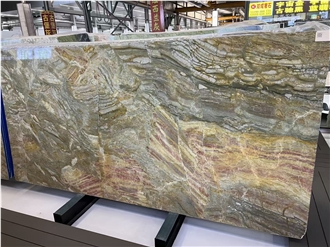
Pocahodas Marble

Marble

Greece

About

Item Details

Material Type:
Marble
Origin:
Greece (Argolid(Argolis),Peloponnese)
Recommended Usage:
kitchen and bathroom countertops, wash basins, building stone, ornamental stone, stairs, interior, exterior wall and floor applications, mosaic, waterjet pattern, wall panels, table tops, balustrades, columns, wall and pool copings, pool pavers, fireplaces, window sills
Additional Names:
Pocahodas Vein Marble, Pocahodas Golden Marble, Pocahodas Gold Marble, Argolid Gold Marble, Argolis Gold Marble, Pokaxontas Marble, Pocahontas Marble, Pocahodas Marble
Finished Surface:
Polished,Bush Hammered,Tumbled,Brushed,Honed,Split,Machine Cut,Natural Surface,Sandblasted,Acid Washing,Combed,Leathered,Water Jet,Filled,Chiseled,Pickling

Testing

Water Absorption:
0.3 % wt.
Density:
2800 kg/m³
Flexural Strength:
16.4 MPa
Compressive Strength:
157.0 MPa

Description

Pocahodas Marble from Greece, is a unique and visually striking natural stone quarried in Argolid (Argolis), Peloponnese, Greece, supplied as slabs and tiles for architectural and decorative applications. It is characterized by a highly complex and artistic appearance, where a variegated background of creamy white, pale grey, and light green is dramatically interwoven with flowing veins and patches of deep forest green, olive green, warm gold, and earthy brown tones. The result is a rich, multidimensional surface that resembles a natural tapestry, with strong contrast and organic movement across each block and slab.

Texture & Pattern: Pocahodas Marble is a fine- to medium-crystalline calcitic marble with a dense, compact structure. Its pattern is highly variable and dynamic, featuring irregular veining, interlaced mineral flows, and natural color transitions. The stone shows a semi-brecciated to veined structure, where green silicate-rich zones intersect with calcitic white and grey matrix areas, creating a dramatic and luxurious visual depth.

Physical & Mechanical Properties

  • Apparent density (EN 1936): 2800 kg/m³
  • Open porosity (EN 1936): 0.9 % vol.
  • Water absorption (EN 13755): 0.3 % wt.
  • Compressive strength (EN 1926): 157 MPa
  • Flexural strength (EN 12372): 16.4 MPa
  • Breaking load at dowel hole (EN 13364): 2000 N
  • Abrasion resistance (EN 14157 - B): 15188 mm³
  • Rupture energy (EN 14158): 3 Joule
  • Frost resistance (EN 12371): 13.1 MPa

Hardness

Mohs hardness: 3–4, typical of calcitic marble with silicate inclusions, offering moderate scratch resistance and good workability.

Chemical & Mineral Composition (% by weight, approx.)

  • CaCO₃ (Calcite): 70–85%
  • Silicate minerals (chlorite, serpentine, epidote): 10–20%
  • Quartz (SiO₂): 2–5%
  • Iron oxides: 1–3% (contributing to gold/brown tones)
  • Trace minerals: <2%

Usage

Pocahodas Marble is suitable for luxury interior and selected architectural applications, including:

  • Flooring and wall cladding
  • Feature and statement walls
  • Hotel lobbies and reception areas
  • Staircases and decorative steps
  • Bathroom walls and vanity tops
  • Artistic panels and bespoke design elements
  • High-end commercial and residential interiors

Maintenance

Due to its natural composition, sealing is recommended after installation. Regular cleaning should be done with pH-neutral stone cleaners only. Acidic, abrasive, or harsh chemical products should be avoided to preserve the color integrity and polished or honed surface finish.

Surface Finish Options

  • Polished (high gloss, color-enhancing finish)
  • Honed (matte smooth finish)
  • Brushed (soft textured surface)
  • Sandblasted (anti-slip finish for floors/exterior use)
  • Leathered (natural soft-touch textured finish)
  • Waterjet (decorative custom patterns)
  • Machine-cut (precision architectural finish)

Key Characteristics

  • Highly decorative multicolor Greek marble
  • Strong contrast between green silicate zones and light calcitic background
  • Dense crystalline structure with low porosity
  • Excellent compressive strength and good durability for interior use
  • Unique natural pattern; no two slabs are identical

Pocahodas Marble is valued for its luxurious multi-colored geological composition, strong mechanical performance, and dramatic natural patterning, making it an exceptional choice for high-end architectural and design projects requiring a distinctive natural stone statement.

FAQ

Can 18 mm thick slab of Pocahodas Marble be used as a kitchen countertop?

Using an 18 mm thick slab of Pocahontas Marble as a kitchen countertop is possible, but there are several factors to consider before making a decision: 1. **Strength and Durability**: Marble is a softer and more porous stone compared to granite or quartz, and Pocahontas Marble is no exception. While 18 mm (about 0.71 inches) is relatively thin for a countertop, the slabs strength might be sufficient if properly supported. However, thinner slabs are generally more prone to cracking or breaking under stress, so adequate support is crucial. 2. **Support and Installation**: For a thinner slab like 18 mm, it is essential to ensure proper support. This could include additional bracing or a substrate underneath the marble to provide stability. The overhangs without support should be minimized to reduce the risk of cracking. 3. **Sealing and Maintenance**: Marble is more susceptible to staining and etching from acidic substances, which are common in kitchens. Regular sealing and maintenance are necessary to protect the surface and maintain its appearance. 4. **Aesthetic Considerations**: Pocahontas Marble has a unique appearance, with its own color and veining, which can add a luxurious and distinctive look to a kitchen. The thin profile might also offer a sleek modern aesthetic. 5. **Cost and Availability**: Depending on your location, Pocahontas Marble might be more expensive or harder to source compared to more common countertop materials. The total cost will also include any additional support structures needed for installation. In conclusion, while an 18 mm Pocahontas Marble slab can be used as a kitchen countertop, it requires careful planning for support and ongoing maintenance to ensure durability and functionality. Consulting with a professional fabricator or installer who has experience with thin marble slabs is advisable to achieve the best results.
How can I maintain Pocahodas Marble flooring?

Maintaining Pocahontas Marble flooring involves regular cleaning and preventive measures to keep it looking its best. Here are some tips to help you maintain it: 1. **Regular Cleaning:** - **Sweeping or Dust Mopping:** Use a soft broom or a dust mop daily to remove dust and grit. Avoid using traditional straw brooms that can scratch the surface. - **Damp Mopping:** Clean the floor with a damp mop using water mixed with a pH-neutral cleaner specifically designed for marble. Avoid using acidic or abrasive cleaners, which can damage the surface. 2. **Spill Management:** - **Immediate Cleaning:** Wipe up any spills immediately to avoid staining. Use a soft cloth or paper towel to blot the spill instead of wiping to prevent spreading it. - **Avoid acidic substances:** Keep foods and drinks with acids (like lemon, vinegar, or tomato) away from direct contact with the marble as they can etch the surface. 3. **Sealing:** - **Regular Sealing:** Marble is porous, so it should be sealed regularly to protect it from staining. Depending on the sealer and the level of use, this might be every 6-12 months. Follow the manufacturer’s recommendations. 4. **Use of Mats and Rugs:** - **Protective Coverings:** Place mats or rugs in high-traffic areas, near entrances, or under furniture to reduce wear and prevent scratching and grit accumulation. - **Non-slip Backing:** Ensure rugs have a non-slip backing to protect against tripping hazards and to prevent discoloration from rug dyes. 5. **Furniture Protection:** - **Furniture Pads:** Use protective pads under furniture legs to prevent scratches. Be aware when moving heavy items to lift rather than drag them. 6. **Periodic Polishing:** - **Professional Polishing:** Consider professional polishing every few years to restore shine and remove etching or scratches that may have developed over time. 7. **Avoiding Harsh Chemicals:** - **Cleaning Products:** Do not use harsh chemicals, bleach, or all-purpose cleaners that aren’t specifically designed for marble. These can cause damage and dull the finish. 8. **Temperature and Humidity Control:** - **Environment Control:** Try to maintain a consistent temperature and humidity level to prevent the marble from cracking or losing its polish over time. By following these tips, you can help ensure that your Pocahontas Marble flooring remains beautiful and durable for many years.

Pocahodas Marble has its own natural veins. If I use it as stair steps, will it break along these veins?

Pocahontas Marble, like many natural stones, does have natural veins and patterns that can affect its structural integrity. The veins in marble are often due to mineral deposits and can be points of weakness under stress or pressure. Using Pocahontas Marble for stair steps is possible, but there are several factors to consider: 1. **Thickness and Quality**: Ensure that the marble is thick enough and sourced from a reputable supplier who can provide high-quality cuts with minimal internal flaws. 2. **Load and Stress**: Consider the load that the steps will need to support. Heavy or frequent traffic can increase the risk of breakage along the veins. 3. **Installation**: Proper installation with suitable support and attachment methods is crucial. Professionals should account for the marbles natural veining when cutting and placing each piece to minimize stress. 4. **Maintenance**: Regular maintenance, including sealing, can help preserve the marble and minimize damage over time. 5. **Professional Assessment**: Consulting with a structural engineer or a professional marble installer can provide a better assessment of the materials suitability for your specific project and help mitigate potential issues. While using Pocahontas Marble for stair steps can add aesthetic value, the inherent risk of breakage along veins should be carefully assessed and managed.

Is Pocahodas Marble a suitable choice for facades in cold winter climates?

Pocahontas Marble, like other marbles, has certain characteristics that make it suitable or unsuitable for specific applications. When considering Pocahontas Marble for facades in cold winter climates, a few factors should be taken into account: 1. **Porosity and Water Absorption**: Marble is a porous stone, which means it can absorb water. In cold climates, this water can freeze and expand, potentially causing the marble to crack or spall. Its important to ensure that Pocahontas Marble is properly sealed and maintained to minimize water absorption. 2. **Durability**: Marble is generally softer and less durable than other stones like granite. This means it can be more susceptible to weathering and damage in harsh conditions. Regular maintenance and good design can help mitigate these issues. 3. **Thermal Expansion**: Natural stone expands and contracts with temperature changes. This needs to be considered in the design and installation to prevent cracking due to thermal stress. 4. **Finish**: The finish on the marble can also affect its performance. A polished finish might be more prone to becoming slippery when wet or icy, while a honed or rougher texture might handle moisture better. 5. **Installation Method**: The method and quality of installation play a crucial role in how well marble facades withstand cold climates. Proper anchoring, drainage, and allowance for movement can enhance durability. 6. **Local Expertise**: Consulting with local architects or builders who have experience with marble in cold climates can provide additional insights specific to the region. Ultimately, while Pocahontas Marble can potentially be used for facades in cold climates, careful consideration of these factors is essential to ensure longevity and performance.

How can I repair the scratched surface of the Pocahodas Marble steps?

Repairing a scratched surface on Pocahontas Marble steps can help restore their natural beauty. Pocahontas Marble is a type of limestone often used in architecture for its beauty and durability. Heres a general guide to help you repair scratches on marble steps: 1. **Assess the Damage:** - Start by examining the extent of the scratches. Shallow scratches can often be handled with simple polishing, while deeper scratches may require more intensive repair. 2. **Clean the Surface:** - Thoroughly clean the marble surface with a pH-neutral cleaner to remove any dirt or debris. Avoid acidic or abrasive cleaners, as they can damage the marble. 3. **Polishing Shallow Scratches:** - Use a marble polishing powder or compound. Follow the manufacturers instructions for use, which typically involve mixing with water to create a slurry and applying with a soft cloth or pads. - Gently buff the marble using a soft cloth or a low-speed buffer with a soft pad. Work in small sections and use circular motions. - Wipe away any residue with a clean, damp cloth and let the surface dry. 4. **Repairing Deep Scratches:** - For deeper scratches, you may need to use a fine-grit sandpaper (such as 1200-grit or higher) to smooth the area. Wet the sandpaper and lightly sand the scratched area in a circular motion. - Once the scratch is leveled, use progressively finer grits of sandpaper to blend the repair with the surrounding area. - Follow up with a marble polishing powder as described above to restore the shine. 5. **Seal the Marble:** - After polishing, apply a marble sealer to protect the surface and reduce the likelihood of future scratches. - Follow the manufacturers instructions for the sealing process. 6. **Consider Professional Help:** - If the scratches are too deep or if youre not comfortable performing these repairs, consider hiring a professional stone restoration specialist. They have the tools and expertise to restore marble surfaces effectively. 7. **Ongoing Maintenance:** - Regularly clean the marble steps with a pH-neutral cleaner and avoid using acidic substances like vinegar or lemon juice. - Place rugs or mats in high-traffic areas to minimize contact and potential scratching. Always test any cleaning or polishing product on a small, inconspicuous area first to ensure it doesnt damage the marble.

Is Pocahodas Marble with a polished surface good for house flooring?

Pocahontas Marble, like other types of marble, can indeed be used for house flooring and can add an elegant and luxurious touch to interior spaces. However, there are several factors to consider when deciding if its suitable for your home: 1. **Aesthetic Appeal**: Pocahontas Marble features unique patterns and colors that can enhance the visual appeal of a room. The polished surface can give it a sleek and sophisticated look, making it suitable for foyers, living rooms, or bathrooms. 2. **Durability**: Marble is generally durable, but its also a softer stone compared to granite. It can scratch and chip more easily, especially in high-traffic areas. You should consider whether the area where you plan to install the marble will be subjected to heavy use. 3. **Maintenance**: Polished marble flooring requires regular maintenance to preserve its appearance. It can be prone to staining from acidic substances like wine, coffee, or juice, so spills need to be cleaned promptly. Sealing the marble periodically can help protect it. 4. **Slipperiness**: A polished surface can be slippery, especially when wet. If you are considering Pocahontas Marble for flooring in areas like kitchens or bathrooms, you may want to incorporate rugs or mats to reduce slip risk. 5. **Temperature**: Marble can be cold underfoot, which might not be ideal for all climates or personal preferences. However, it can also be a benefit in warmer climates as it stays cool. 6. **Cost**: Marble flooring tends to be more expensive than other materials. Ensure that it fits within your budget, not just for the material itself, but also for installation and ongoing maintenance. In summary, Pocahontas Marble with a polished surface can be a good choice for house flooring if the style, budget, and maintenance align with your preferences and needs. Its always a good idea to consult with a professional to assess the specific suitability for your home.

Products & Prices

View More

Hot Marble

New Marble

Post Your Request

The request includes:
  1. surface finished, size
  2. quantity required

