Post Your Needs

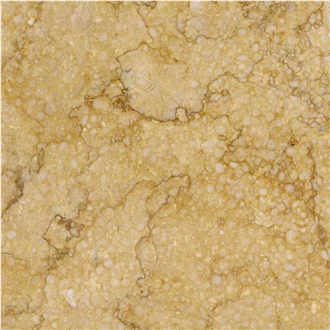
Pocahontas Marble

Yellow - Marble

Greece

About

Item Details

Material Type:
Marble
Origin:
Greece (Argolid(Argolis),Peloponnese)
Primary Color(s):
Yellow
Recommended Usage:
Kitchen and bathroom countertops, wash basins, building stone, ornamental stone, stairs, interior, exterior wall and floor applications, mosaic, waterjet pattern, wall panels, table tops, balustrades, columns, wall and pool copings, pool pavers, sculptures, fireplaces
Additional Names:
Pocahodas Dark Marble, Pocahodas Vein Marble, Pocahodas Golden Marble, Pocahodas Gold Marble, Argolid Gold Marble, Argolis Gold Marble, Pokaxontas Marble, Pocahodas Marble, Pocahontas Marble
Finished Surface:
Polished,Bush Hammered,Tumbled,Brushed,Honed,Split,Machine Cut,Natural Surface,Sandblasted,Combed,Leathered,Water Jet,Filled,Chiseled,Pickling

Testing

Water Absorption:
0.3 %
Density:
2800 kg/m3
Flexural Strength:
16.4 MPa
Compressive Strength:
157.0 MPa
Stone texture:
a complex, interwoven tapestry of deep forest green, olive green, gold, and brown veins​ set against a variegated background of creamy white, pale grey, and light green. The pattern resembles a natural, abstract landscape, creating a rich, artistic surface

Description

Pocahontas Marble is a unique and visually striking natural stone quarried in Argolid (Argolis), Peloponnese, Greece. It features a complex, interwoven tapestry of colors that includes deep forest green, olive green, gold, and brown veins set against a variegated background of creamy white, pale grey, and light green. The pattern of Pocahontas Marble resembles a natural, abstract landscape, creating a rich and artistic surface that is highly coveted for architectural and design projects.

Physical and Mechanical Properties:

  • Water Absorption: 0.3%
  • Density: 2800 kg/m³
  • Flexural Strength: 16.4 MPa
  • Compressive Strength: 157.0 MPa
  • Hardness: Generally rated using the Mohs scale; often between 3-4 for marble.
  • Porosity: Low porosity due to its dense nature.
  • Slip Resistance: Variable depending on finish; polished surfaces are less slip-resistant compared to honed or textured finishes.

Chemical and Mineral Compositions (% by weight):

  • Calcium Carbonate (CaCO3): High content, typical for marble, generally around 90-95%.
  • Other Minerals: Traces of quartz, mica, graphite, and iron oxides, contributing to the unique coloration and patterns.
  • Silica (SiO2): Minor percentage due to quartz presence.
  • Aluminum Oxide (Al2O3), Iron Oxide (Fe2O3): Minor traces, contributing to color variations.

Usage:

  • Interior applications: Suitable for flooring, wall cladding, countertops, vanity tops, and decorative features.
  • Exterior applications: Usable for facades and outdoor decoration, though may require additional treatments for weather resistance.
  • Artistic installations: Its unique pattern is ideal for artistic and statement pieces in both residential and commercial spaces.

Maintenance:

  • Regular cleaning with a pH-neutral cleaner to preserve its appearance.
  • Sealing recommended to protect against staining and enhance durability.
  • Avoid abrasive cleaners or tools to prevent surface damage.

Cutting Sizes (cm):

  • Can be custom cut to various dimensions, commonly available in:
  • Standard tile sizes: 30x30, 30x60, 60x60
  • Slab sizes: Typically up to 250x150 for larger installation needs.

Surface Finish Options:

  • Polished: High gloss finish that enhances color and pattern but reduces slip resistance.
  • Honed: Matte finish providing a more natural look with better slip resistance.
  • Brushed/Antiqued: Textured finish providing a rustic appearance and good slip resistance.
  • Sandblasted: Coarse texture with a uniform finish, excellent slip-resistant properties.

Pocahontas Marble's artistic appeal makes it a favored choice for high-end finishing in various architectural and interior design projects, combining durability with exceptional aesthetics.

FAQ

Can 18 mm thick slab of Pocahontas Marble be used as a kitchen countertop?

Using an 18 mm thick slab of Pocahontas Marble for a kitchen countertop is possible, but there are several considerations to keep in mind. Marble, including Pocahontas Marble, is a softer and more porous material compared to other stones like granite or quartz, which makes it susceptible to scratching, staining, and etching from acidic substances. Here are some factors to consider: 1. **Durability**: At 18 mm (approximately 0.71 inches) thick, the slab may be thinner than the standard countertop thickness, which typically ranges from 20 mm to 30 mm or more. This could affect its durability and resistance to cracking, especially under heavy use or pressure. 2. **Support**: The slab will require adequate support, such as a stable and solid substrate (e.g., plywood) beneath it to prevent flexing and potential breakage. 3. **Sealing**: Marble should be properly sealed to help protect against stains and etching. Regular maintenance with resealing is also usually necessary to keep it in good condition. 4. **Aesthetics vs. Maintenance**: Marble countertops are known for their beauty and elegance, but they require more maintenance and care than other materials. Consider whether the aesthetic appeal outweighs the additional upkeep. 5. **Professional Installation**: It’s recommended to have marble countertops installed by professionals, especially since a thinner slab may require specific expertise to ensure proper support and longevity. 6. **Alternative Options**: If the durability and maintenance requirements are a concern, you might explore alternatives such as engineered stone or thicker slabs of marble for better performance in a kitchen environment. Ultimately, while feasible, using an 18 mm Pocahontas Marble slab as a kitchen countertop requires careful planning, proper installation, and ongoing maintenance to ensure longevity and performance.

How can I maintain Pocahontas Marble flooring?

Maintaining Pocahontas Marble flooring involves a combination of regular cleaning, protective measures, and periodic deep care to ensure its longevity and appearance. Here are some tips to help you keep your marble floors in excellent condition: 1. **Regular Cleaning:** - **Sweeping/Dust Mopping:** Use a non-treated, clean dust mop or a soft broom to remove dust and debris from the floor daily. - **Damp Mopping:** Use a damp mop with warm water and a pH-neutral cleaner specifically designed for marble. Avoid acidic or abrasive cleaners, as they can damage the marble. 2. **Spill Management:** - Wipe up spills immediately to prevent staining. Marble is porous and can absorb liquids quickly, especially those that are acidic like wine, coffee, or citrus juice. 3. **Protection:** - **Mats and Rugs:** Place mats or rugs at entrance points to reduce dirt and grit tracked onto the flooring. Use non-slip rugs to prevent accidents. - **Furniture Pads:** Use felt pads under furniture legs to prevent scratches. 4. **Sealing:** - Regularly seal the marble flooring (every 6 to 12 months) to protect against staining and scratching. Follow the manufacturers instructions or consult a professional for the appropriate sealant. 5. **Avoiding Damage:** - Avoid dragging heavy objects across the floor. - Maintain optimal indoor humidity to prevent the marble from cracking or becoming brittle. 6. **Deep Cleaning and Polishing:** - Periodically, you might need to engage professionals to polish and refinish the marble to restore its shine and remove any etching or deeper stains. 7. **Avoiding Certain Cleaners and Tools:** - Do not use vinegar, lemon juice, or any acidic substances for cleaning. - Avoid using abrasive cleaning tools like steel wool or scouring pads. By adopting these practices, you can effectively maintain the beauty and durability of your Pocahontas Marble flooring. If youre ever unsure about a product or method, its often best to consult a professional specializing in marble care.

Pocahontas Marble has its own natural veins. If I use it as stair steps, will it break along these veins?

Pocahontas Marble, like many natural stones, can have natural veins and fissures that are part of its unique appearance. These veins can potentially be weaker points in the stone and may be more susceptible to stress, particularly in applications like stair steps where weight and pressure are consistently applied. Using Pocahontas Marble as stair steps can be feasible if the stone is properly selected, cut, and reinforced. Here are some considerations: 1. **Quality of Stone:** Ensure you select high-quality stone without significant cracks or faults along the veins that might compromise its structural integrity. 2. **Thickness:** Using a thicker slab can help provide additional strength and reduce the likelihood of breaks. 3. **Reinforcement:** Adding a backing support or reinforcing material can provide extra strength to the steps. 4. **Professional Installation:** Having the marble installed by a professional can ensure that the veins are positioned in a way that minimizes the risk of breakage and that any necessary reinforcements are correctly applied. 5. **Regular Maintenance:** Regular inspection and maintenance can help identify any issues early before they become more significant problems. Ultimately, while there is some risk of the marble breaking along the veins, proper selection, installation, and maintenance can mitigate these risks significantly. Consulting with a professional who has experience with Pocahontas Marble or similar materials can provide more tailored advice specific to your situation.

Is Pocahontas Marble a suitable choice for facades in cold winter climates?

Pocahontas Marble can be used for facades, but certain considerations need to be taken into account when using it in cold winter climates. Marble is a natural stone that can be prone to weathering and damage under certain conditions, especially in harsh climates. Here are some factors to consider when evaluating its suitability: 1. **Porosity and Water Absorption:** Marble is a porous material and can absorb water. In cold climates, the freeze-thaw cycle can cause absorbed water to freeze and expand, leading to cracking and spalling over time. To mitigate this, the marble should be properly sealed to reduce water absorption. 2. **Durability:** Marble is generally softer and less durable compared to other natural stones such as granite. In climates with a lot of snow, ice, and deicing salts, the marble may degrade more quickly. 3. **Thermal Expansion:** The stone should be installed with allowances for expansion and contraction due to temperature changes. Proper installation techniques are critical to accommodate these changes and prevent damage. 4. **Maintenance:** Regular maintenance, including cleaning and resealing, is necessary to preserve the appearance and integrity of the marble. 5. **Protective Measures:** In some cases, additional design features or protective measures such as overhangs or rain screens may be necessary to protect the marble from direct exposure to the elements. Ultimately, while Pocahontas Marble can be used in cold climates, it requires specific care and maintenance to ensure longevity and performance. Its recommended to consult with a professional architect or stone specialist familiar with the material and local climate conditions before making a final decision.

How can I repair the scratched surface of the Pocahontas Marble steps?

Repairing scratched marble steps, like those made from Pocahontas Marble, requires some care and the right materials to restore their appearance. Heres a general guide to help you with the repair: 1. **Assess the Damage:** - Inspect the severity of the scratches. Light surface scratches might be addressed with polishing, while deeper scratches could require more intensive procedures. 2. **Gather Materials:** - Marble polishing powder or slurry. - Hand buffer or high-speed polisher. - Soft cloths. - Marble sealant. - Clean water. - Mild dish soap or specialized marble cleaner. - Fine-grit sandpaper, if necessary. 3. **Clean the Steps:** - Begin by thoroughly cleaning the marble steps to remove dirt and debris. Use a soft cloth and a mixture of mild dish soap and water or a stone-safe cleaner. Rinse with clean water and dry with a soft towel. 4. **Polish Light Scratches:** - Apply a small amount of marble polishing powder or slurry to the scratched area. - Use a soft, damp cloth to rub the polishing powder into the scratch in a circular motion. - If you have access to a hand buffer or a high-speed polisher, use it gently to buff the area until the scratch starts to diminish. - Follow the product instructions for application and safety. 5. **Sand Deeper Scratches:** - For deeper scratches, you may need to use fine-grit sandpaper (such as 1200 grit). - Lightly sand the scratched area in a circular motion, being careful not to grind too deeply into the marble. - After sanding, use the polishing powder to buff the area as described above. 6. **Clean the Surface Again:** - Once you’ve polished out the scratches, clean the area again to remove any residue left from the polishing compound. 7. **Seal the Marble:** - After repairs, consider applying a marble sealant to the entire step to help protect against future scratches. Follow the sealant’s instructions for application and drying times. 8. **Maintenance:** - Regularly clean and dry the marble surface to prevent grime buildup that can cause scratching. - Avoid using acidic or abrasive cleaners, which can damage marble surfaces. If the scratches are exceptionally deep or extensive, it might be best to consult a professional stone restoration expert who can assess the damage and make the necessary repairs. Remember that repair techniques may vary based on the specific type of marble and the extent of the damage, so adjusting the approach or seeking expert advice might be necessary.

Is Pocahontas Marble with a polished surface good for house flooring?

Pocahontas Marble, like many natural stones, can be an excellent choice for house flooring due to its aesthetic appeal and durability. However, there are several factors to consider when deciding if its right for your space: 1. **Aesthetic Appeal**: Pocahontas Marble has a unique and attractive appearance, which can add elegance and luxury to a home. The polished surface enhances these attributes by providing a glossy finish that reflects light and highlights the stones natural veining. 2. **Durability**: Marble is a durable material, though it is softer and more porous than other stone options like granite. This means it can be susceptible to scratching, staining, and etching from acidic substances. Regular sealing and maintenance are necessary to preserve its appearance. 3. **Maintenance**: A polished marble surface requires frequent cleaning and the application of sealant to prevent staining. Spills should be wiped up promptly, and abrasive cleaners should be avoided to prevent scratching. 4. **Slipperiness**: A polished marble floor can be quite slippery, especially when wet. This can be a safety concern in areas like bathrooms or kitchens, where wet floors are common. Consider using rugs or mats in these areas or choosing a honed finish for better slip resistance. 5. **Cost**: Marble flooring tends to be more expensive than other options like ceramic tiles or laminate. The upfront cost is higher due to the material itself and the installation process. 6. **Resale Value**: High-quality marble floors can add value to your home, attracting potential buyers who appreciate luxury materials. Overall, if youre willing to commit to the maintenance and can mitigate slipperiness concerns, Pocahontas Marble with a polished surface can be a beautiful and high-impact choice for your homes flooring.

Can Greece's Pocahodas Marble be used exterior applications in very rainy climates?

Yes, Greeces Pocahontas Marble can be used for exterior applications in very rainy climates. The marble is known for its durability and water resistance, making it suitable for various outdoor projects. It is important, however, to properly seal and maintain the marble to ensure its longevity and resistance to the effects of constant exposure to rain and moisture.

Can Greece's Pocahodas Marble be used in landscaping?

Yes, Greeces Pocahontas Marble can be used in landscaping. Marble is a natural stone that is widely used in various landscaping applications due to its durability, aesthetic appeal, and versatility. Pocahontas Marble, specifically, is a type of white marble that features elegant veining patterns, making it suitable for creating pathways, patios, garden borders, or as decorative elements in landscaping designs. It can also be used for constructing retaining walls, water features, and outdoor sculptures. However, it is important to consider factors such as maintenance requirements and potential slipperiness when using marble in outdoor landscaping projects.

What is the coefficient of friction of Water Jet Cut Greece's Pocahodas Marble tiles?

I apologize, but I couldnt find specific information on the coefficient of friction for Water Jet Cut Greeces Pocahontas Marble tiles. The coefficient of friction can vary depending on various factors such as the surface finish, texture, and conditions of the tiles. It would be best to contact the manufacturer or supplier of the marble tiles for accurate information on their coefficient of friction.

What grade is Greece's Pocahodas Marble?

I do not have any information regarding the grading system of Greeces Pocahontas Marble. It is advisable to consult an expert in the field for accurate information.

Products & Prices

Hot Yellow Marble

New Marble

Post Your Request

The request includes:
  1. surface finished, size
  2. quantity required