Post Your Needs

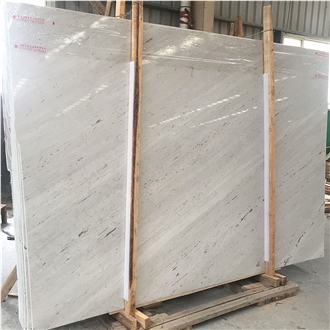
Polaris Marble

White - Marble

Greece

About

Item Details

Material Type:
Marble
Origin:
Greece (East Makedonia, Northern Greece)
Primary Color(s):
White
Recommended Usage:
Kitchen and bathroom countertops, monuments, building stone, ornamental stone, building stone, stairs, interior wall and floor applications, mosaic, waterjet pattern, wall panels, table tops, columns, fireplace surround
Additional Names:
Kavala White Marble, Kavala Semi-White Marble, Kavala Crystal Marble, Polaris Bianco Marble, White Polaris Marble, Pollaris Marble, Polaris White Marble, Polar White Marble, in China stone market:南斯拉夫白(Nánsīlāfū bái), Polaris Marble
Finished Surface:
Polished,Bush Hammered,Tumbled,Brushed,Honed,Split,Machine Cut,Natural Surface,Sandblasted,Acid Washing,Combed,Water Jet,Filled,Chiseled,Pickling

Testing

Water Absorption:
0.15 By volume %
Density:
2840 kg/m³
Flexural Strength:
8.7 MPa
Compressive Strength:
151.0 MPa

Description

Polaris Marble, also known as Polaris White Marble, Kavala White Marble, Kavala Semi-White Marble or Kavala Crystal Marble, is a highly regarded white marble variety that is quarried in the region of Kavala in Makedonia- Greece. It is renowned for its pristine white color, fine crystalline structure, and unique veining patterns, making it a sought-after material in the construction and design industries.

Polaris Marble typically exhibits a bright white or slightly off-white background, providing a clean and elegant aesthetic. It is characterized by its fine and uniform grain, which contributes to its overall smooth texture and polished appearance. This marble variety often has a translucent quality, allowing light to pass through to a certain extent, which enhances its visual appeal.

One of the distinguishing features of Polaris Marble is its unique veining patterns. The veins can vary in color, ranging from subtle grey tones to bolder shades of grey or even light beige. These veins meander across the surface of the marble, creating captivating and organic patterns that add depth and character to any application.

Polaris Marb isle prized for its durability and strength, making it suitable for both interior and exterior applications. It is a dense and hard stone, capable of withstanding high traffic and resisting scratches and impacts. This durability ensures that Polaris Marble is a reliable choice for flooring, wall cladding, countertops, and various decorative elements.

In terms of design versatility, Polaris Marble complements a wide range of styles. Its timeless and sophisticated appearance pairs well with both traditional and contemporary aesthetics. Whether used as a focal point or as a neutral backdrop, Polaris Marble exudes a sense of luxury and refinement.

As a product of Greece's rich natural resources and craftsmanship, Polaris Marble reflects the country's long history and expertise in the stone industry. It is sought after by architects, designers, and homeowners worldwide who appreciate its exceptional quality, elegant appearance, and the unique touch it brings to their projects.

Mohs Hardness Scale: 4-5

Chemical Analysis:

  • Calcium oxide (CaO): 55%
  • Magnesium oxide (MgO): 38%
  • Silica (SiO2): 4%
  • Alumina (Al2O3): 1%
  • Iron oxide (Fe2O3): 1%
  • Titanium dioxide (TiO2): 0.5%
  • Sodium oxide (Na2O): 0.3%
  • Potassium oxide (K2O): 0.2%

Please note that the exact chemical composition of Polaris marble may vary depending on the specific quarry and location where it is extracted.

FAQ

Does Polaris Marble countertop crack easily?

Polaris Marble is a durable and high-quality natural stone, but like all materials, it can still crack under certain circumstances. Proper care and maintenance can help prevent cracks from occurring, such as avoiding placing heavy or sharp objects directly on the countertop, using cutting boards and trivets, and avoiding excessive heat exposure. However, if Polaris Marble is not properly installed or if it is subjected to extreme force or pressure, it may be more prone to cracking. It is important to choose a reputable installer and follow care instructions to minimize the risk of cracking.

Does Polaris Marble kitchen countertop stain easily?

Marble countertops, including Polaris Marble, are not stain-resistant due to their porous nature. They can stain easily with exposure to acidic substances such as lemon juice, vinegar, and wine. It is important to clean up spills on marble countertops promptly and use a protective sealant to help prevent staining. Regular maintenance and care will help keep your Polaris Marble countertop looking beautiful for years to come.

What color kitchen cabinets go with a Polaris Marble kitchen countertop?

White or light gray kitchen cabinets would complement a Polaris Marble kitchen countertop beautifully. These colors would create a clean and modern look, allowing the natural beauty of the marble to shine. Additionally, navy blue or dark green cabinets could create a sophisticated and elegant contrast with the white and gray veining of the marble. Ultimately, the choice of cabinet color will depend on the overall style and aesthetic you want to achieve in your kitchen.

How to match mosaic backsplash to Polaris Marble countertop?

1. Start by determining the dominant color in your Polaris Marble countertop. Is it a white base with grey veins, or does it have more beige or gold tones? This will help you choose a mosaic backsplash that complements the main color of your countertop. 2. Consider the size and shape of the mosaic tiles. If your Polaris Marble countertop has large, bold veins, you may want to choose a mosaic backsplash with smaller, more delicate tiles to create a balanced look. Alternatively, if your countertop is more subtle, a larger mosaic tile could add some interest and texture to the space. 3. Look for mosaic backsplash options that feature similar colors to your countertop. For example, if your countertop has grey veins, consider a mosaic with grey tones to tie the two together. If your countertop has gold accents, look for a mosaic with hints of gold or warm tones. 4. Consider the overall style and design of your kitchen. If you have a modern space, opt for a sleek, contemporary mosaic backsplash with clean lines and minimal grout lines. For a more traditional kitchen, choose a mosaic with a classic pattern or design. 5. Dont be afraid to mix and match different materials and textures. Consider combining a glass mosaic tile with a natural stone or ceramic tile for added visual interest. 6. Once you have narrowed down your options, consider bringing home samples of the mosaic backsplash to see how they look next to your Polaris Marble countertop in different lighting conditions. This will help you make a final decision and ensure that the two elements work well together in your kitchen.

How can I make Polaris Marble stairs less slippery?

There are a few steps you can take to make Polaris Marble stairs less slippery: 1. Apply a non-slip coating: There are various non-slip coatings available that can be applied to marble stairs to increase traction and reduce slipperiness. These coatings are typically transparent and wont alter the appearance of the marble. 2. Use non-slip stair treads or mats: You can also add non-slip stair treads or mats to the stairs for added traction. These can be easily placed on the stairs and come in various styles and designs to complement your decor. 3. Keep the stairs clean and dry: Regularly sweep and clean the stairs to remove any debris or moisture that could contribute to slipperiness. Consider placing a rug or mat at the bottom of the stairs to trap water and debris from shoes. 4. Install handrails: Adding handrails to the stairs can provide additional support and stability when ascending or descending, reducing the risk of slipping. By taking these steps, you can make your Polaris Marble stairs less slippery and create a safer environment for yourself and others.

What Polaris Marble countertop edge is least likely to chip?

The Polaris Marble countertop edge that is least likely to chip is likely a full bullnose edge. This edge style is rounded and does not have any sharp corners or edges that are prone to chipping. It is a popular choice for countertops as it provides a smooth and sleek look while also being durable and less prone to damage.

What edge is best for Polaris Marble kitchen countertops?

For Polaris Marble kitchen countertops, a straight edge or beveled edge would be best. These edge styles complement the natural beauty of the marble and provide a clean and timeless look for your kitchen. Additionally, a mitered edge can also be a great option for Polaris Marble countertops, as it adds a touch of sophistication and elegance to the overall design. Ultimately, the choice of edge style depends on your personal preference and the overall aesthetic you are trying to achieve in your kitchen.

Can Polaris Marble be used for bar countertops?

Yes, Polaris Marble can be used for bar countertops. Its elegant white and grey tones and veining patterns make for a stylish and sophisticated addition to any bar area. However, it is important to note that marble is a softer and more porous material compared to other countertop options like granite or quartz, so it may require more maintenance and care to prevent staining and scratching.

Is polished 2cm thick Polaris Marble good for stairs?

Polished 2cm thick Polaris Marble can be a good option for stairs as it is a durable and elegant material that can add a touch of luxury to your staircase. However, the thinness of the marble may require extra care and maintenance to prevent cracking or chipping, especially in high traffic areas. It is also important to ensure that the marble is properly installed and sealed to prevent slipping hazards. Overall, Polaris Marble can be a beautiful choice for stairs, but it is important to consider the potential maintenance requirements before making a decision.

How can I seal Polaris Marble stairs?

To seal Polaris Marble stairs, you will need to follow these steps: 1. Clean the surface of the marble stairs thoroughly with a mild detergent and water to remove any dirt, dust, or debris. Allow it to dry completely before proceeding. 2. Choose a high-quality stone sealer that is specifically designed for use on marble surfaces. Make sure to read the manufacturers instructions carefully before applying the sealer. 3. Apply a thin, even coat of the sealer to the surface of the marble stairs using a clean, lint-free cloth or brush. Be sure to cover the entire surface evenly. 4. Allow the sealer to dry completely according to the manufacturers instructions. This will typically take several hours. 5. Once the first coat of sealer has dried, apply a second coat in the same manner as the first. This will provide an extra layer of protection for the marble stairs. 6. Allow the second coat of sealer to dry completely before using the stairs. This will typically take at least 24 hours. 7. Periodically reapply the sealer to the marble stairs as recommended by the manufacturer to maintain their protection and keep them looking their best. By following these steps, you can effectively seal Polaris Marble stairs and protect them from stains, scratches, and other damage.

Customer reviews

Customer reviews

Write a Review
Muh**** Malta

What is the disadvatages?

Helpful (0) 0Reply

Products & Prices

View More

Hot White Marble

New Marble

Post Your Request

The request includes:
  1. surface finished, size
  2. quantity required