Post Your Needs

Ponte Vecchio Marble

Grey - Marble

Italy

About

Item Details

Material Type:
Marble
Origin:
Italy
Primary Color(s):
Grey
Recommended Usage:
Kitchen and bathroom countertops, wash basins, building stone, ornamental stone, stairs, interior, exterior wall and floor applications, mosaic, waterjet pattern, wall panels, table tops, balustrades, columns, wall and pool copings, pool pavers, fireplaces, window sills
Additional Names:
Grigio Ponte Vecchio Marble, Grey Ponte Vecchia Marble, Ponte Vecchio, Ponte Vecchio Marble
Finished Surface:
Polished,Bush Hammered,Tumbled,Brushed,Honed,Split,Machine Cut,Natural Surface,Sandblasted,Combed,Leathered,Water Jet,Filled,Chiseled,Pickling

Testing

Density:
2680 - 2700 kg/m³
Compressive Strength:
80-110 MPa
Stone texture:
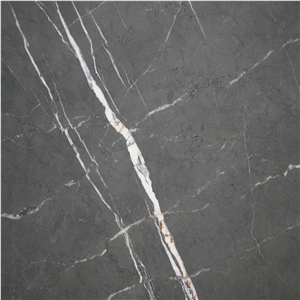
characterized by its soft, medium-grey base color, which provides a neutral and sophisticated foundation. The surface is distinguished by its intricate network of fine, linear veining. These veins are primarily white and light grey, with occasional subtle hints of warm beige or gold, creating a delicate, web-like pattern across the stone. This natural, organic texture adds depth and visual interest, making it a versatile choice for both classic and contemporary interiors. Its understated beauty makes it ideal for flooring, wall cladding, countertops, and bathroom vanities, where it can bring a sense of timeless elegance to any space.

Description

Ponte Vecchio Marble, quarried in Italy, is celebrated for its sophisticated appearance. The marble's main characteristic is its medium-grey base, presenting a neutral palette that complements both classic and modern design aesthetics. The surface showcases an intricate network of fine, linear veining, predominantly in white and light grey, with occasional wisps of warm beige or gold, imparting a web-like pattern that adds depth and visual intrigue.

Physical and Mechanical Properties

  • Water Absorption: Typically low, indicating its resistance to moisture penetration and suitability for wet areas.
  • Density: Approximately 2.68-2.7 g/cm³, which contributes to its robustness and suitability for various applications.
  • Flexural Strength: Moderate, providing good breakage resistance under bending stress, suitable for countertop and flooring applications.
  • Compressive Strength: High, typically ranges from 80-110 MPa, supporting heavy loads, which makes it ideal for flooring and structural uses.
  • Hardness: Measured around 3-4 on the Mohs scale, indicating moderate scratch resistance.
  • Porosity: Low to medium, enhancing its durability but may require sealing to prevent staining.
  • Slip Resistance: Generally moderate; surface finish can enhance slip resistance for flooring applications.

Chemical and Mineral Composition (Approximate)

  • Calcite (CaCO3): 90-95%
  • Quartz (SiO2): 2-5%
  • Mica: 1-3%
  • Trace Minerals (Iron Oxides, Graphite, etc.): 1-2%

Usage

  • Flooring: Offers a durable, aesthetically pleasing surface ideal for residential and commercial settings.
  • Wall Cladding: Provides an elegant backdrop, enhancing interior spaces.
  • Countertops: Serves as an aesthetically appealing and functional surface in kitchens and bathrooms.
  • Bathroom Vanities: Adds a touch of luxury and sophistication.
  • Decorative Pieces: Suitable for sculptural elements and other decorative applications.

Maintenance

  • Sealing: Periodically required to maintain surface integrity and prevent staining.
  • Cleaning: Use pH-neutral cleaners and avoid acidic substances.
  • Polishing: Occasional polishing may be needed to maintain sheen.

Available Surface Finish Options

  • Polished: Enhances the marble’s natural sheen, suitable for countertops and walls.
  • Honed: Offers a matte finish, ideal for flooring to improve slip resistance.
  • Brushed: Provides a textured surface with a rustic appeal.
  • Sandblasted: A rougher, slip-resistant finish suitable for exterior applications.

Ponte Vecchio Marble's timeless elegance, combined with its versatile physical properties, makes it a favored choice among architects and designers seeking to impart a sophisticated ambiance to their projects. Regular maintenance and proper installation will ensure its beauty and functionality for years to come.

FAQ

Can Italy's Ponte Vecchio Marble be used in floor coverings?

Yes, Italys Ponte Vecchio marble can be used in floor coverings. Ponte Vecchio marble is known for its durability, beauty, and versatility, making it a popular choice for flooring applications. It can be used in various areas such as homes, office buildings, hotels, and other commercial spaces. The unique veining and color variations of Ponte Vecchio marble can create a distinct and elegant look for any floor. However, it is important to note that marble is a natural stone and can be more prone to scratching, staining, and etching compared to other flooring materials, so proper care and maintenance are essential to keep it looking its best.

Can Italy's Ponte Vecchio Marble be used exterior applications in very rainy climates?

The Ponte Vecchio is a medieval bridge in Florence, Italy, made of stone and not marble. It is not typically used for exterior applications in very rainy climates as it was not originally designed for such conditions. Marble can be used for exterior applications but its suitability depends on the specific type of marble and the climate conditions it will be exposed to. In very rainy climates, marble can be susceptible to weathering and staining over time, so it is important to consider factors like water absorption, durability, and maintenance requirements before using it in such environments.

How thick is Italy's Ponte Vecchio Marble slabs?

The Ponte Vecchio bridge in Florence, Italy is primarily made of stone, brick, and mortar, not marble. While there are decorative elements on the bridge, such as marble windows and balustrades, the exact thickness of these marble slabs is not readily available.

What is the coefficient of friction of Filled Italy's Ponte Vecchio Marble tiles?

The coefficient of friction of Filled Italys Ponte Vecchio Marble tiles may vary depending on the specific type of marble and its finish. However, in general, marble is considered to have a low coefficient of friction, which means it can be slippery, especially when wet. To mitigate the risk of slipping, it is common to use honed or textured finishes on marble tiles to increase the surface friction and provide better traction.

Are there color variations of Italy's Ponte Vecchio Marble?

Yes, there are color variations of Italys Ponte Vecchio Marble. Ponte Vecchio Marble is known for its beautiful veining and various shades of beige and cream. However, it can also have variations in color, including hints of gray, brown, or even greenish tones. These color variations can occur due to the diverse mineral composition found in the natural stone and the different quarry locations in Italy where it is extracted. As a result, the color of Ponte Vecchio Marble can vary from slab to slab, giving designers and homeowners options to choose from based on their preferences and design requirements.

Can Italy's Ponte Vecchio Marble be used outdoors?

Yes, Italys Ponte Vecchio Marble can be used outdoors. Ponte Vecchio Marble is a natural stone that is known for its durability and resistance to weather conditions. It can withstand exposure to sunlight, rain, and other outdoor elements without significant deterioration. However, it is important to consider that natural stone can still be prone to staining and may require regular maintenance to preserve its appearance and longevity when used outdoors.

Is Italy's Ponte Vecchio Marble an expensive stone?

I dont have access to the current market prices of specific stones. However, Ponte Vecchio marble is typically considered a rare and high-quality stone, which may make it more expensive than other types of marble.

Products & Prices

Hot Grey Marble

New Marble

Post Your Request

The request includes:
  1. surface finished, size
  2. quantity required