Post Your Needs

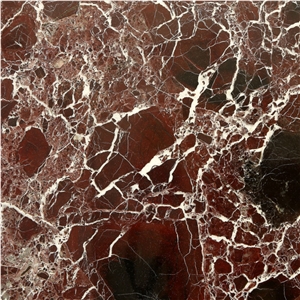
Porfirico Ramello Bruno Marble

Red - Marble

Italy

About

Item Details

Material Type:
Marble
Origin:
Italy (Verzegnis, Tolmezzo, Provincia di Udine, Friuli Venezia Giulia)
Primary Color(s):
Red
Recommended Usage:
Kitchen and bathroom countertops, wash basins, building stone, ornamental stone, stairs, interior, exterior wall and floor applications, mosaic, waterjet pattern, wall panels, table tops, balustrades, columns, wall and pool copings, pool pavers, sculptures, fireplaces
Additional Names:
Porfirico Ramello Marble, Porfirico Rosso Marble, Rosso Venezia Marble, Bruno Red Marble, in China stone market:布鲁诺 (Bù lǔ nuò), Porfirico Ramello Bruno, Porfirico Ramello Bruno Marble
Finished Surface:
Polished,Bush Hammered,Tumbled,Brushed,Honed,Split,Machine Cut,Natural Surface,Sandblasted,Combed,Leathered,Water Jet,Filled,Chiseled,Pickling

Testing

Water Absorption:
0.22 by weight %
Density:
2700 kg/m3
Flexural Strength:
16.1 MPa
Compressive Strength:
148.0 - 157.5 MPa

Description

Porfirico Ramello Bruno Marble is an attractive natural stone known for its distinctive reddish hue with darker undertones. Quarried in Verzegnis, Tolmezzo, in the Province of Udine, Friuli Venezia Giulia, Italy, this marble is notably used in exterior applications like cladding and paving, as well as for architectural elements due to its aesthetic appeal and relative durability.

Physical and Mechanical Properties:

  • Water Absorption: 0.22% by weight
  • Density: 2700 kg/m³
  • Flexural Strength: 16.1 MPa
  • Compressive Strength: 148.0 - 157.5 MPa
  • Hardness: Typically measured using the Mohs scale, marble generally falls around 3-4, indicating a moderate level of scratch resistance.
  • Porosity: Moderate; can vary but typically contributes to susceptibility to staining and weathering.
  • Slip Resistance: Varies by finish; polished surfaces can be slippery when wet, while honed or textured finishes offer better slip resistance.

Chemical and Mineral Composition:

  • Calcium Carbonate (CaCO3): Predominant mineral component, often comprises over 90% of marble composition.
  • Silica (SiO2): Present in smaller amounts, contributing to mineral diversity.
  • Iron Oxides: Contribute to the reddish coloration of the marble.
  • Other Minerals: May include traces of clay minerals, dolomite, or other impurities depending on the specific quarry site.

Usage:

  • Exterior Cladding: Provides a dramatic façade with its vibrant color, enhancing the architectural appeal.
  • Paving: Often used in outdoor settings such as patios or walkways; care must be taken to seal the surface to prevent staining and minimize weathering.
  • Architectural Elements: Suitable for columns, window sills, and other decorative features due to its beauty and versatility.

Maintenance:

  • Sealing: Regular application of a quality sealant can help prevent staining and weathering.
  • Cleaning: Use a pH-neutral cleaner and avoid harsh chemicals to maintain the stone's finish and prevent etching.
  • Protective Measures: In cold climates, protect from freeze-thaw cycles by ensuring proper drainage and minimizing water retention on surfaces.

Cutting Sizes and Surface Finish Options:

  • Common Cutting Sizes: Can be cut to a variety of sizes depending on the project requirements, typically ranging from small tiles (30x30 cm) to large slabs and custom sizes for specific architectural elements.
  • Surface Finish Options:
  • Polished: Offers a shiny, reflective surface that enhances the color and pattern of the marble.
  • Honed: Provides a smooth, matte finish ideal for areas where slip resistance is important.
  • Brushed: Features a textured surface that adds depth and character, while also improving slip resistance.
  • Sandblasted: Gives a rougher surface with a more muted appearance, suitable for exterior applications requiring additional grip.

Porfirico Ramello Bruno Marble combines aesthetic appeal with practical functionality, making it a sought-after choice for various applications. Its relative resistance to cold temperatures compared to other marbles makes it an attractive option for projects in diverse climatic conditions, though proper maintenance is crucial to extend its beauty and longevity.

Petrographic definition: nodular limestone

Massa Unit Volume: 2700 Kg/m3

Water absorption: 0.22 %

Compression breaking load Simple: 158 MPa

Compression breaking load after freezing: 148 MPa

Tangent elastic modulus: 71,300 MPa

Indirect Tensile Strength by bending: 16,1 MPa

Coefficient corresponding Abrasion (referred to Granite St. Fedelino): 0.75

Impact resistance: minimum fall height: 40 cm

Coefficient of linear thermal expansion: 1.6 x 10⁻⁵ 0C-1

FAQ

Can Italy's Porfirico Ramello Bruno Marble be used exterior applications in cold climates?

Porfirico Ramello Bruno Marble is a type of marble that originates from Italy. While marble is generally a durable and beautiful material, its use in exterior applications in cold climates can be a matter of concern. Marble is known for its susceptibility to staining, cracking, and weathering over time. In cold climates, marble can be particularly vulnerable due to freeze-thaw cycles. When water penetrates the surface of the marble and then freezes, it can cause the material to expand, leading to cracking or spalling. However, some marbles, including Porfirico Ramello Bruno Marble, are more resistant to freezing temperatures compared to others. This type of marble has a popular use in outdoor applications like exterior cladding, paving, and architectural elements. To ensure the long-term durability of Porfirico Ramello Bruno Marble in cold climates, it is important to take some precautions: 1. Quality and thickness: Use high-quality marble and ensure it meets appropriate standard thickness for the intended application. Thicker slabs may have better resistance to freezing temperatures. 2. Proper installation: Hire experienced professionals who can correctly install the marble, ensuring proper sealing and drainage to prevent water penetration. 3. Regular maintenance: Regular cleaning and maintenance can help prevent staining and buildup of moisture on the surface, which can minimize the risk of damage from freeze-thaw cycles. 4. Protective coatings: Applying a suitable protective sealant or coating can provide an extra layer of protection against weathering, staining, and freezing. It is important to note that even with these precautions, exterior application of Porfirico Ramello Bruno Marble (or any marble) in cold climates still carries some risk. Therefore, it is recommended to consult with professionals and consider local climate conditions before using this marble for exterior applications.

Can Italy's Porfirico Ramello Bruno Marble be used in wall coverings?

Yes, Italys Porfirico Ramello Bruno Marble can be used for wall coverings. Marble is a versatile material that is commonly used for various applications including wall cladding. It adds a luxurious and elegant touch to interior and exterior spaces, making it a popular choice for wall coverings in residential and commercial settings. The Porfirico Ramello Bruno Marble, known for its unique veining and coloring, can create a beautiful and timeless look on walls. It is important to note that marble is a natural stone and requires proper installation and maintenance to ensure its longevity and durability.

What is the coefficient of friction of Leathered Italy's Porfirico Ramello Bruno Marble tiles?

The coefficient of friction of Leathered Italys Porfirico Ramello Bruno Marble tiles is not provided or specified in the question. The coefficient of friction can vary based on several factors such as surface texture, finish, and treatment. It is advisable to contact the manufacturer or consult product specifications for accurate and specific information regarding the coefficient of friction for these tiles.

Can Italy's Porfirico Ramello Bruno Marble be used in a kitchen?

Yes, Italys Porfirico Ramello Bruno Marble can be used in a kitchen. Marble is a popular choice for kitchen countertops and backsplashes due to its elegance and durability. However, it is important to note that marble is more porous than other natural stones, such as granite, and therefore requires regular sealing to protect it from staining and etching. Additionally, marble is susceptible to scratching and heat damage, so it is recommended to use cutting boards and trivets to prevent such effects. Proper care and maintenance can ensure the longevity and beauty of Porfirico Ramello Bruno Marble in a kitchen setting.

Are there color variations of Italy's Porfirico Ramello Bruno Marble?

Yes, there can be color variations in Italys Porfirico Ramello Bruno Marble. This type of marble is known for its elegant mix of light to medium beige tones, but variations in color intensity and veining can occur. Some slabs may have more prominent veining, while others may have a more subdued pattern. Additionally, slight variations in background color can be seen ranging from creamy beige to light brown. It is always recommended to see the actual slab or sample before making a purchase to assess the specific coloration and variations.

Can Italy's Porfirico Ramello Bruno Marble be used outdoors?

Yes, Italys Porfirico Ramello Bruno Marble can be used outdoors. It is a durable and weather-resistant stone that can withstand the elements. However, it is important to note that proper care and maintenance should be practiced to ensure its longevity and prevent any potential damage from exposure to harsh weather conditions.

Products & Prices

Hot Red Marble

New Marble

Post Your Request

The request includes:
  1. surface finished, size
  2. quantity required