Post Your Needs

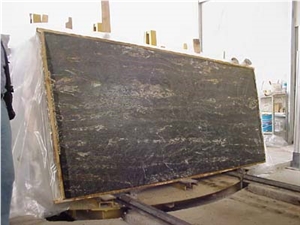
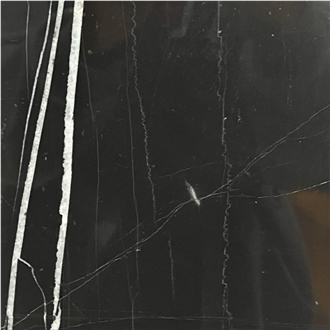
Portorino Marble

Black - Marble

Italy

About

Item Details

Material Type:
Marble
Origin:
Italy (Porto Venere, Provincia di La Spezia)
Primary Color(s):
Black
Recommended Usage:
Countertops, mosaic, exterior - interior wall and floor applications, fountains, pool and wall capping, stairs, window sills
Additional Names:
Nero Portoro Marble, Portoro Marble, Nero Portorino Marble, Portorino Black Marble, Portorino Marble
Finished Surface:
Polished, Sawn Cut, Sanded, Rockfaced, Sandblasted, Tumbled

Testing

Water Absorption:
0.09 %
Density:
2710 kg/m3
Flexural Strength:
10.2 MPa
Compressive Strength:
157.0 - 183.0 MPa

Description

Petrographic definition: limestone
Massa Unit Volume: 2710 kg/m3
Water Absorption: 0.09 %
Breaking Load Compression Simple: 183 MPa
Compression breaking load after freezing: 157 MPa
Tensile indirectly by bending 10.2 MPa
Its coefficient of Abrasion (referred to Granite St. Fedelino): 0.74
Impact resistance: minimum fall height: 25 cm
Coefficient of linear thermal expansion: 5.0 x 10⁻⁵ 0C-1
Knoop microhardness: 1530 MPa
Index unevenness of hardness: 1.12
Source: Università di Pisa - Politecnico di Torino

FAQ

Can Italy's Portorino Marble be used exterior applications in cold climates?

Yes, Italys Portorino Marble can be used for exterior applications in cold climates. However, it is important to note that the marbles durability and resistance to frost should be considered. Portorino Marble is known for its strength and low porosity, making it suitable for withstanding cold temperatures and freeze-thaw cycles. Nonetheless, proper installation techniques and maintenance are crucial to ensure its longevity in outdoor environments with cold climates. It is recommended to consult with professionals familiar with the specific marble variety and its characteristics to ensure its successful use in exterior applications.

Does black marble fade in sunlight?

Black marble does not typically fade in sunlight. The color of black marble is created by minerals such as graphite and various types of metal oxides that are resistant to fading or changing color when exposed to sunlight. However, it is important to note that prolonged exposure to direct sunlight and UV radiation can still cause some minor discoloration or damage to the surface of the marble over time. Regular cleaning and maintenance can help preserve the appearance of black marble in outdoor applications.

Does black marble scratch easily?

Black marble, like any other type of natural stone, can be prone to scratching. However, the hardness and durability of black marble can vary depending on the specific type and quality of the stone. Some black marbles, such as Nero Marquina or Absolute Black, are known to be more resistant to scratching due to their density and composition. However, it is still important to take proper care of black marble surfaces to minimize the risk of scratching, such as using cutting boards and avoiding the use of abrasive cleaners or tools. Regular cleaning and maintenance can help preserve the appearance and durability of black marble.

Is black marble hard to maintain?

Black marble can be more challenging to maintain compared to lighter colored marble, as it tends to show fingerprints, dust, and water spots more easily. Additionally, black marble can be prone to scratching and etching from acidic substances like citrus juices or common household cleaners. Regular dusting and wiping with a soft cloth, avoiding abrasive cleaners, and promptly cleaning up spills can help in maintaining the black marbles appearance. Sealing the marble periodically can also provide extra protection and make it easier to clean.

Is there any marble similar to Portorino Marble?

Yes, there are several types of marble that are considered similar to Portoro marble. Some of these include: 1. Nero Marquina: This type of marble is characterized by its black background with contrasting white veins. It is often used in flooring, countertops, and backsplashes. 2. Bardiglio: Bardiglio marble is known for its deep gray color with distinctive white veining. It is commonly used for countertops, floor tiles, and fireplace surrounds. 3. Silver Portoro: This marble has a black background with silver and gold veins running throughout. It is often used in luxury interior applications such as countertops, wall claddings, and decorative accents. 4. Port Black: Port Black marble is also similar to Portorino in terms of its black background and golden veins. It is frequently used in interior design projects for creating a luxurious and elegant look. 5. Black Marquina: Black Marquina marble is characterized by its deep black color with striking white veins. It is often used in both residential and commercial applications for countertops, flooring, and wall claddings. These marbles offer similar aesthetic qualities to Portorino marble and can be considered as alternatives when looking for a similar look in design projects.

What must be the minimum thickness of a Portorino Marble bathtub?

There are no standardized regulations or minimum thickness requirements specifically for Portorino Marble bathtubs. The thickness can vary depending on the design, size, and manufacturing process of the bathtub. However, in general, solid marble bathtubs tend to have a minimum thickness of around 2-3 inches (5-7.5 cm) to ensure structural integrity and a durable construction. It is recommended to consult with a professional manufacturer or supplier for specific recommendations based on the intended use and design of the bathtub.

Can Portorino Marble be used as a mortar and pestle?

Yes, Portorino Marble can be used as a mortar and pestle. Marble is a popular choice for mortar and pestle sets due to its strong and durable nature. The smooth and non-porous surface of marble makes it ideal for grinding and crushing herbs, spices, and other substances. Portorino Marble, specifically, is a type of black marble with white veins, which can add an elegant touch to your kitchen while serving its purpose as a mortar and pestle.

Can Portorino Marble be used as a kitchen cutting board?

Portorino Marble can be used as a kitchen cutting board, however, it is important to note that marble is a natural stone and is not the most ideal material for cutting boards. Marble is prone to scratching and can dull knife blades quickly, making it less suitable for heavy-duty cutting tasks. Additionally, marble is porous and can absorb juices from foods, leading to potential staining and bacteria buildup. It is recommended to use specialized cutting boards made from materials like wood, plastic, or bamboo that are specifically designed for food preparation.

What is the chemical composition of Portorino Marble?

Portorino Marble, also known as Portoro Marble or Portoro Antico Marble, is a rare and valuable type of black marble. Its chemical composition is primarily made up of calcite and dolomite. It typically consists of around 90% calcite, which is a form of calcium carbonate (CaCO3), and around 10% dolomite, which is a mineral composed of calcium magnesium carbonate (CaMg(CO3)2). The black coloration of Portorino Marble is due to the presence of bituminous and/or carbonaceous materials that are embedded within the calcite structure.

Products & Prices

Hot Black Marble

New Marble

Post Your Request

The request includes:
  1. surface finished, size
  2. quantity required