Withered Granite Cover Plates
 Ukraine
 3YR
Min Order : 5000 Square Feet
| Grade | Size | Surface | Reference FOB Price |
|---|---|---|---|
| A | 300*300*40cm | Polished | / |




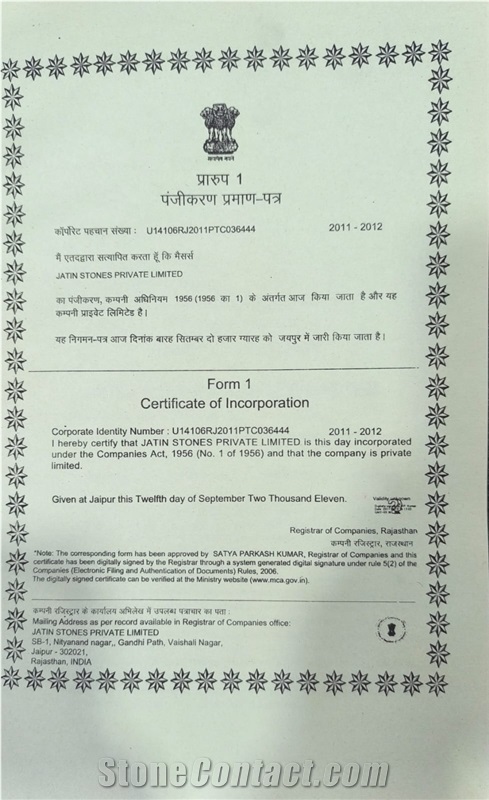
Established: Sep 12,2011
Main Product: SANDSTONE, STONE ARTICLE, MARBLE, GRANITE, SLATE STONE, LIME STONE

Mr. jatin sharma
CSO
Tel: +91 6376594180
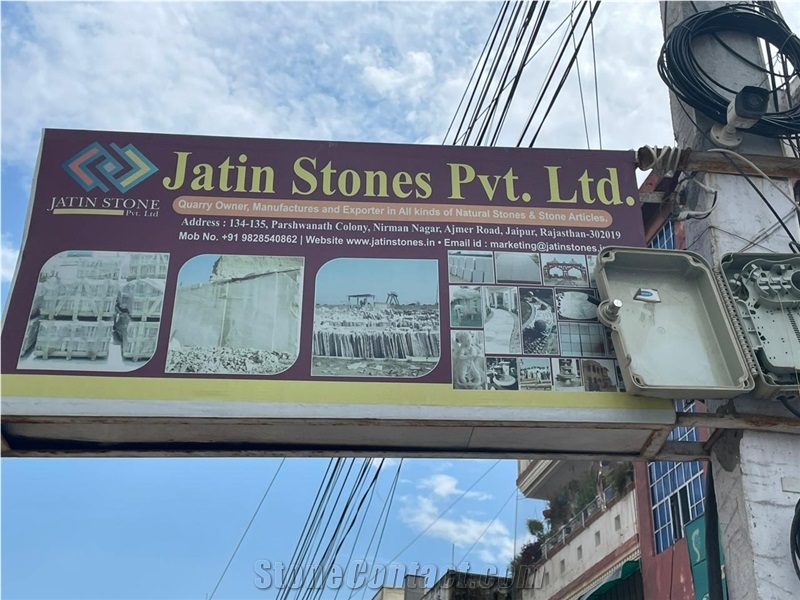
Adr: 134, 135, Parshav Nath Colony Rd, Parshwanath Colony, Rani Sati Nagar, Nirman Nagar, Brijlalpura, Jaipur, Rajasthan 302019
Ukraine3YR

 China13YR


China7YR

China14YR

China10YR

China7YR

China15YR

 Italy
Stone gates, often referred to as "stone arch gates" or "stone entryways," are architectural structures built using stones as their primary material. These gates have been used for centuries, serving as entrances to cities, fortresses, palaces, temples, and other significant structures. Their design and purpose vary based on the culture, historical context, and available resources. This article will explore the history, types, significance, and design of stone gates, presented in a detailed format.
Stone gates date back to ancient civilizations, where they were constructed to serve both functional and symbolic purposes. In ancient Egypt, Mesopotamia, Greece, and Rome, stone gates were constructed to mark the entrance to cities, temples, and important buildings. They were not only built for security but also to symbolize power, grandeur, and protection.
Ancient Egypt: One of the earliest examples of stone gates can be seen in the walls of Egyptian temples and palaces. Massive stone gates with intricate carvings and inscriptions were used to indicate the importance of the structure.
Mesopotamia: The Ishtar Gate in Babylon, constructed around 575 BCE, is one of the most famous examples of ancient stone gates. The gate featured beautifully decorated glazed tiles with images of animals and gods, symbolizing the might of the Babylonian Empire.
Rome: The Romans perfected the use of stone in architecture, and their stone gates became a prominent feature of their empire. Roman gates, like those of the Roman Forum or city walls, were large, often decorated with sculptures and reliefs.
Stone gates come in various forms and can be classified based on their architectural style, design, and location. Below is a breakdown of some common types of stone gates.
| Type | Description | Example |
|---|---|---|
| Arch Gate | An archway made of stones, which forms a curved structure. The arch is often used in the gate’s construction for both aesthetic and structural purposes. | Roman Gates, Ishtar Gate |
| Triumphal Arch | A monumental arch structure built to celebrate victories or important events. Often inscribed with historical narratives. | Arch of Titus, Arc de Triomphe |
| Fortified Gate | A large, heavily reinforced stone gate built as part of city walls or fortresses for defensive purposes. | Babylon’s Ishtar Gate, Dublin Castle |
| Gateway with Columns | Stone gates flanked by columns, sometimes used as monumental entries to temples or palaces. These gates are grand and often feature intricate carvings. | Temple of Jupiter, Gate of India |
| Doorway Gate | A simpler gate made from massive stone slabs or blocks, often seen in older, ancient cities. The gate is usually smaller and may lack elaborate features. | Giza Pyramids, Medieval Castles |
| Portal Gate | Large, imposing stone gates with decorative elements, typically in the form of a large entryway flanked by statues, columns, or carvings. | Gate of the Dead in Egypt |
Stone gates were not just utilitarian but also carried significant symbolic meaning in many cultures. Here are some reasons why stone gates have held importance throughout history:
Security: The primary function of stone gates was to provide security to cities, fortresses, and important buildings. Large stone gates were resistant to attacks and could be fortified with additional features like drawbridges or reinforced metal.
Symbol of Power: Stone gates often symbolized the power and grandeur of the ruling entity. Gates adorned with sculptures, carvings, and inscriptions often depicted the strength and authority of the king, emperor, or deity associated with the structure.
Religious and Ceremonial Roles: In many ancient cultures, stone gates marked the entrance to sacred spaces, such as temples and shrines. They served as thresholds that distinguished the sacred from the secular.
Gateway to the Afterlife: In ancient Egypt, gates often marked entrances to tombs or the afterlife. These gates symbolized the transition from the earthly realm to the divine.
Cultural Identity: In several instances, stone gates were designed to reflect the identity and culture of the people. The carvings and inscriptions on these gates would tell stories of the civilization's achievements, beliefs, and values.
The design of a stone gate can vary greatly depending on its purpose, location, and the period in which it was constructed. Below are key design elements commonly seen in stone gates:
Materials: While primarily constructed of stone, gates might also include other materials like wood, metal, or ceramics for added ornamentation or functionality. The stone used would depend on local resources (limestone, sandstone, granite, etc.).
Shape: Stone gates often have a rectangular or arched shape, with the arch being a popular design due to its strength and stability. Arched gates were also aesthetically pleasing and could support heavier structures above them.
Carvings and Decorations: Many stone gates were adorned with intricate carvings, inscriptions, and reliefs. These often depicted gods, rulers, military victories, and important events.
Size: The size of the gate would vary, but monumental gates were often built on a grand scale to reflect the importance of the structure they were protecting or marking the entrance to.
Additional Features: Some gates incorporated additional features like towers, sculptures, or statues on either side, as well as defensive mechanisms like drawbridges or spikes.
The Ishtar Gate, Babylon: The Ishtar Gate is one of the most famous stone gates of the ancient world. Built by King Nebuchadnezzar II around 575 BCE, this massive gate was adorned with glazed brick reliefs of animals, including lions, bulls, and dragons. It was once one of the Seven Wonders of the Ancient World.
The Arch of Titus, Rome: This triumphal arch was erected in 81 CE to commemorate the Roman victory over the Jewish rebellion. The arch is adorned with reliefs depicting scenes from the conquest, and its design inspired many other triumphal arches throughout the Roman Empire.
Gate of India, India: Built in 1921, this monumental stone arch commemorates the visit of King George V and Queen Mary to India. The gate's design is a blend of Mughal and Western architectural styles, and it remains an iconic symbol of Indian heritage.
Ukraine3YR
China13YR
China7YR
China14YR
China10YR
China7YR
China15YR
Italy
 India
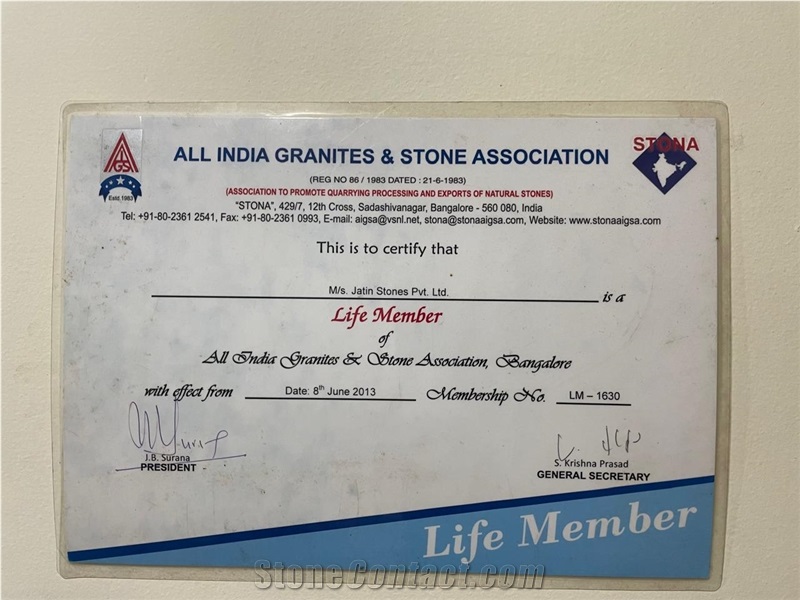
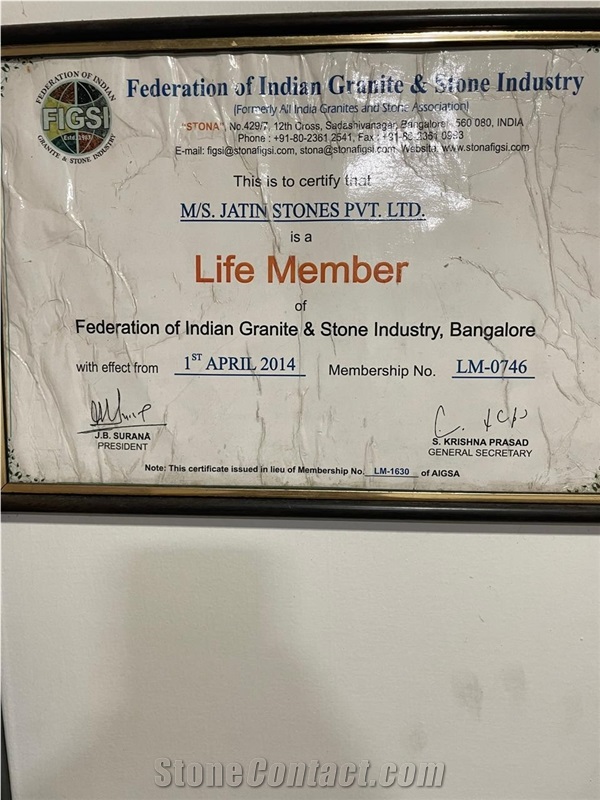
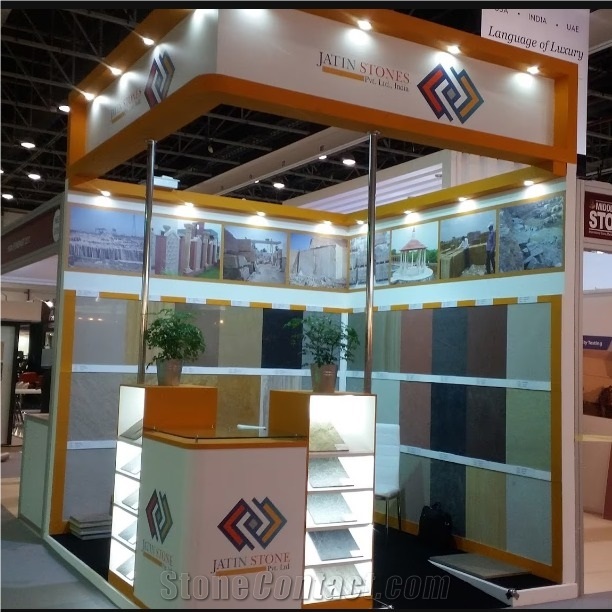
Jatin Stones Pvt. Ltd. is one of India’s leading suppliers and exporters of premium natural stones. Jatin Stones is one-stop shop for seekers of best quality natural stones, artifacts of sandstone & marble and complete landscaping solutions. We are glad to inform that this is our ancestral Business.
India has a rich history of providing stones of the highest quality used for building purposes. From the royalty of ancient India to the architects of today, the stones quarried such as marbles, sandstone, Granite, pavings, Garden Ornaments etc, have been appreciated for their perfection. At Jatin Stones, we continue this tradition through our products and services.
We are known across the world for our reliable customer services. Our Endeavour is to provide value for money to our customers and to make every single deal a pleasure. We can mix and match containers as per clients requirements so that client orders only what his immediate needs are and avoids carrying expensive extra inventories.
We strive and try our best to remain at the cutting-edge of service, quality, integrity and excellence in all that we do.
We have our Marketing Office in Jaipur and our Factory is located in “Hindaun City” in Rajasthan. We have a complete range of machines like cutting machines, sandblasting, Gangsaw and many more.
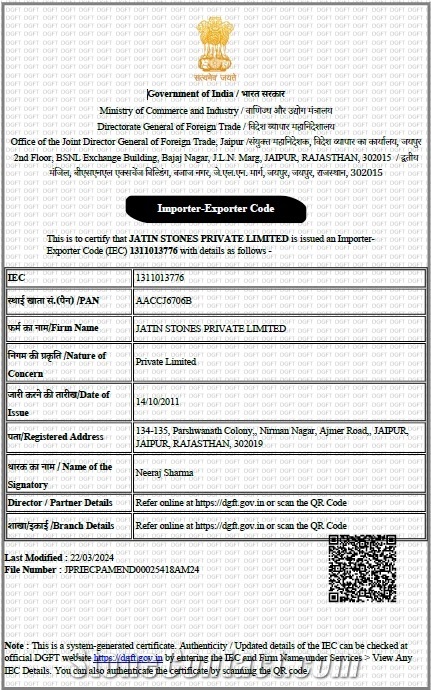
Jatin Stone Pvt. Ltd. | jatin stones private limited | 2011-09-12
| Factory size | 3000 sqm |
|---|---|
| Production lines | 4 |
| Factory location | Ricco Industrial area Hindian city |
| R&D capacity | Own Brand, OEM |
| Nearest port | mundra, chennai, mumbai |
|---|---|
| Delivery terms | FOB, CFR, CIF |
| Payment types | T/T, L/C, Credit Card, Western Union |
| Currencies | USD, EUR, CAD, AUD, GBP |
| Annual revenue | US$1 Million-US$2.5 Million |
| Export percentage | 71%-80% |
| Language spoken | English |