




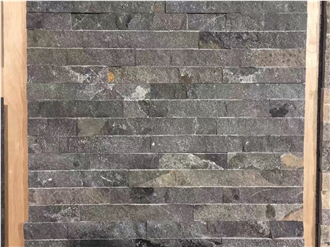
China Dark Grey/Black Culture Stone Veneer Slate Cladding
 China
 9YR

Min Order : 100 Square Meters
| Grade | Size | Surface | Reference FOB Price |
|---|---|---|---|
| A | 20*40*3cm | Split | $17.00-19.50/Square Meters |
China Hebei





Established: Dec 27,2000
Main Product: Stone veneer, Slate, Culture stone, Pebble, Granite, Slate plate and Coaster

Mary Ma
Sales Manager
Tel: 0311-68008394
Adr: No. 298 Zhonghua North Street, Shijiazhuang, Hebei, China
China9YR

China2YR

China15YR

 Turkey17YR
China13YR

China16YR

 Egypt9YR

 India7YR
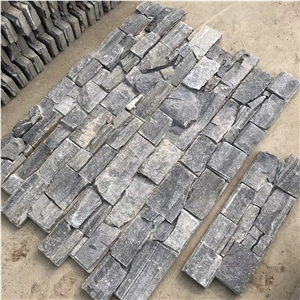
Natual Grey Random Loose Stone Wall Cladding
| Material | Natural stone |
| Surface Finishing | Natural split |
| Size | 20-40cm |
| Thickness | 2-4cm |
|
Delivery Time |
About 1-3 weeks after receving the deposit |
|
Payment term |
30% deposit by T/T,the balance paid after showing the bill of lading |
| Applications |
Can be used on external and interior walls |


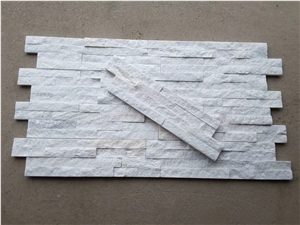
material: natural slate , basalte, quartzite
Color: grey, black , rusty , white
Package: 15 sqms/ wooden crate
Loading Port : Tianjin
T/T: 30% in advance, 70% before delivery
Maintenance Guide for Random Loose Stone Cladding
This guide provides practical, step-by-step care routines to preserve the natural beauty, structural integrity, and long lifespan of your random loose stone cladding, covering both indoor and outdoor installations.
1. Post-Installation Initial Care
Keep the area well-ventilated for 7–15 days after installation, allowing all residual moisture in the substrate and stone pores to evaporate naturally.
Do not place heavy objects on the cladding or perform any impact operations on the surface during this period to avoid chipping or shifting the loose stone pieces.
Once the stone is completely dry, apply a high-quality penetrating oil-based stone sealer to all surfaces (front, sides, and exposed back edges). This blocks capillary pores to prevent water, stains, and efflorescence from forming, and reapply this full sealing treatment every 2–3 years.
2. Regular Routine Maintenance
表格
Frequency Care Operation
Weekly Wipe indoor cladding with a soft microfiber cloth or use a vacuum with a brush attachment to remove dust from textured crevices and joints.
Monthly Gently clean the surface with a well-wrung damp cloth and a tiny amount of pH-neutral, stone-safe mild soap. Never oversoak the stone, as excess moisture will trigger white powdery efflorescence.
Seasonal (Outdoor) Rinse exterior cladding from top to bottom with low-pressure clean water to wash away dust, salt spray, and garden debris. A standard garden hose is sufficient — never use high-pressure washing, which will erode soft stone, loosen pointing, and force water into joints.
3. Stain & Contaminant Treatment
Dust & loose particles: Always remove dry debris first with a soft brush or vacuum before introducing any water, to avoid grinding grit into the stone surface.
Water-soluble salt residues: Lay absorbent paper soaked in deionized water over the stained area to draw out salt ions through concentration difference, preventing crystal expansion that causes surface chalking.
Biological growth (algae, lichen): Moisten the affected area with properly diluted hydrogen peroxide, let it dwell for the recommended time, then agitate gently with a non-abrasive brush. Never scrape hard at the growth, as this will scratch the stone.
Spills (oil, coffee, food): Blot the spill immediately with a dry cloth, then spot-clean with a pH-neutral stone cleaner. Do not let the liquid seep deep into the porous stone.
4. Critical Prohibited Practices
Never use acidic cleaners (such as toilet cleaner, hydrochloric acid) or bleach-based alkaline products — these will corrode the stone surface, dissolve calcareous components, and cause permanent whitening and pitting.
Do not use abrasive scouring pads or harsh scrubbing tools, which will leave permanent scratches on the natural stone finish.
Avoid leaving rotting leaves, fruit peels, or bird droppings on the cladding for days — their organic acids will etch the stone far faster than most people expect.
5. Joint & Long-Term Inspection
Every 6 months, inspect the mortar joints and sealant lines between loose stone pieces. Gently brush debris out of joints with a soft bristle brush, then dab up residual moisture completely to prevent hidden moisture buildup.
If you find cracked, detached sealant or loose stone pieces, repair them promptly to stop water from seeping behind the cladding, which prevents 90% of winter freeze-thaw damage and hidden moisture issues.
Cotact: Mary
Shijiazhuang Puyan Trading Co.,Ltd
Hebei Shun Lei Import & Export Trade Co.,Ltd
Whatsapp: +8615133166591
Email: [email protected]




China9YR
China2YR
China15YR
Turkey17YR
China13YR
China16YR
Egypt9YR
India7YR
 China
Hebei Shun Lei Import&Export Trade Co., Ltd | 河北顺磊进出口贸易有限公司 | 2014-02-14


| Factory size | 30000 square meter |
|---|---|
| Production lines | 5 |
| Factory location | Lingshou County, Shijiazhuang city, Hebei province |
| Factory location 2 | Yixian County, Baoding city, Hebei Province |
| Factory location 3 | Nanjing city, Jiangsu province |
| R&D capacity | ODM, OEM |
| Nearest port | Ningbo, Tianjin, Nanjing |
|---|---|
| Delivery terms | FOB, CFR, CIF, EXW, CIP, CPT, DDU, Express Delivery |
| Payment types | T/T, L/C, MoneyGram, PayPal, Western Union, Cash |
| Currencies | USD, EUR, JPY, CAD, AUD, HKD, GBP, CNY, CHF |
| Annual revenue | Below US$1 Million |
| Export percentage | 91%-100% |
| Language spoken | English, Chinese |
-b.jpg)