G602 Roadway Curbs Grey Granite Curbstone
 China
 15YR

Min Order : 300 Meter
| Grade | Size | Surface | Reference FOB Price |
|---|---|---|---|
| A | 95*95*60mm | Polished | $35.00-40.00/Meter |
 India




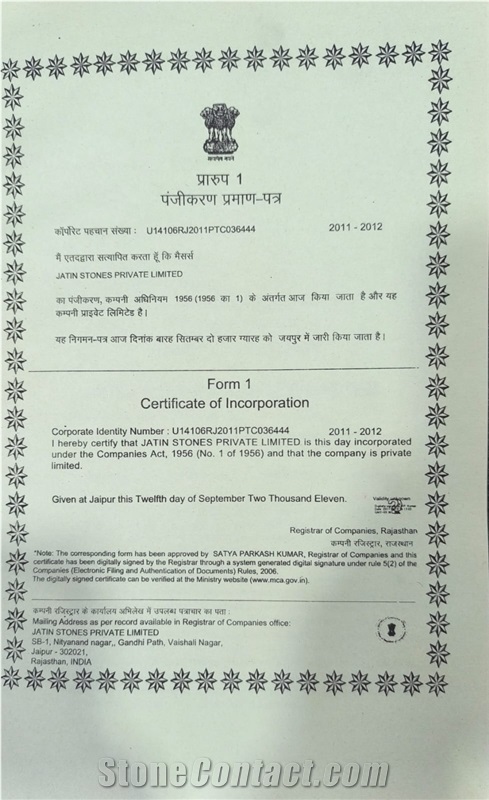
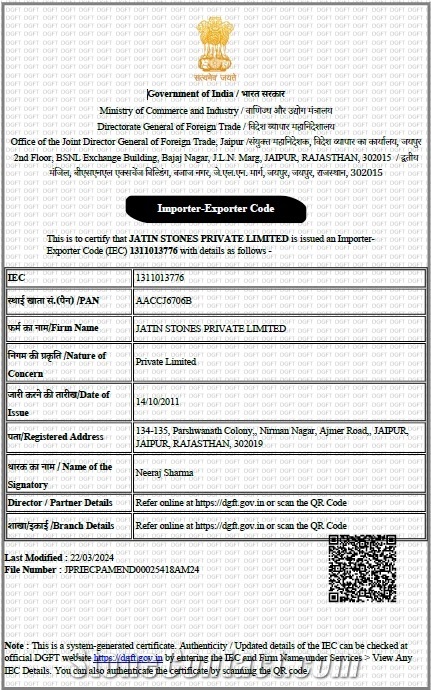
Established: Sep 12,2011
Main Product: SANDSTONE, STONE ARTICLE, MARBLE, GRANITE, SLATE STONE, LIME STONE

Mr. jatin sharma
CSO
Tel: +91 6376594180
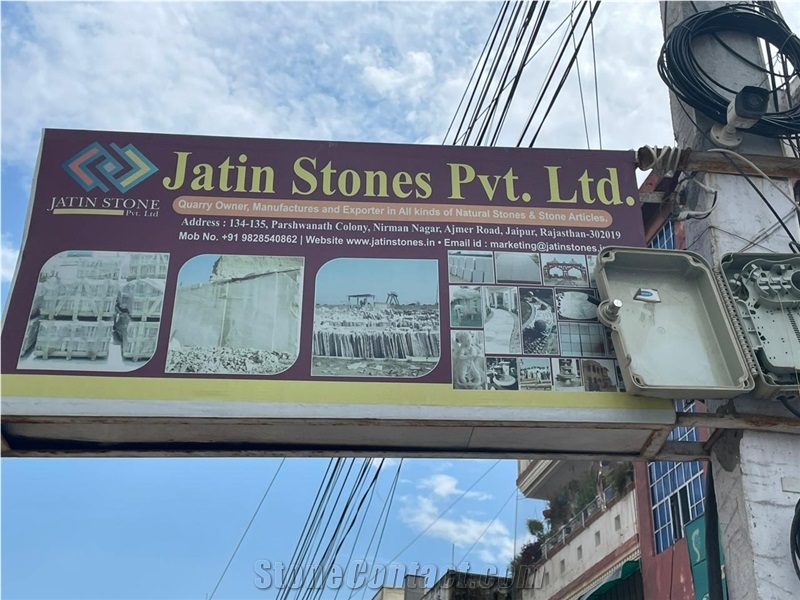
Adr: 134, 135, Parshav Nath Colony Rd, Parshwanath Colony, Rani Sati Nagar, Nirman Nagar, Brijlalpura, Jaipur, Rajasthan 302019
China15YR

 Egypt3YR

China15YR

China1YR

China13YR

China13YR

China4YR

China
Introduction
Kerb stones, often referred to as curb stones, play a crucial role in urban infrastructure. They are primarily used to demarcate the boundary between roadways and sidewalks, providing both functional and aesthetic benefits. This article explores the various aspects of kerb stones, including their history, materials, types, installation, maintenance, and significance in modern urban planning.
Historical Context
The concept of kerb stones has existed for centuries. Ancient civilizations, such as the Romans and Greeks, utilized similar structures to enhance road safety and organization. Initially made from natural stones or timber, kerbs evolved with advancements in construction materials and techniques. In the 19th century, the industrial revolution paved the way for mass production of concrete and stone, leading to more durable and standardized kerb designs.
Materials Used
Kerb stones can be made from a variety of materials, each offering different benefits:
Concrete: The most common material, concrete kerb stones are durable, cost-effective, and can be molded into various shapes and sizes. They often come in pre-cast forms, making installation easier.
Natural Stone: Granite and limestone are popular choices for aesthetic applications. Natural stone kerbs provide a timeless look and can enhance the visual appeal of urban environments.
Brick: In some areas, bricks are used to create kerbs, especially in historic districts. They offer a classic appearance and can be laid in various patterns.
Recycled Materials: With increasing environmental awareness, some municipalities are turning to recycled materials, such as reclaimed concrete, to create sustainable kerb stones.
Types of Kerb Stones
Kerb stones come in several types, each designed for specific applications:
Standard Kerbs: Typically used in residential and commercial areas, standard kerbs are straight and uniform, providing clear delineation between road and footpath.
Mountable Kerbs: These are designed with a sloped edge, allowing vehicles to mount them without damage. They are often used in parking lots or areas where occasional vehicle access is needed.
Bollard Kerbs: Incorporating vertical elements, these kerbs provide added protection for pedestrians by acting as a barrier against vehicles.
Drainage Kerbs: Designed with built-in drainage features, these kerbs help manage stormwater runoff, reducing flooding and erosion in urban areas.
Installation Process
Installing kerb stones involves several key steps:
Planning: Proper planning is essential. This includes determining the layout, choosing the type of kerb, and ensuring compliance with local regulations.
Excavation: The area where the kerbs will be installed must be excavated to the appropriate depth, ensuring a stable foundation.
Base Preparation: A solid base, often composed of compacted gravel or sand, is laid to support the kerb stones.
Setting the Kerbs: The kerb stones are placed according to the planned layout. It is crucial to ensure they are level and aligned correctly.
Backfilling: Once set, the area behind the kerbs is backfilled with soil or gravel to secure them in place.
Finishing Touches: Finally, the surface is compacted, and any necessary adjustments are made to ensure proper drainage and aesthetics.
Maintenance of Kerb Stones
While kerb stones are designed for durability, regular maintenance is essential for ensuring their longevity:
Inspection: Regularly inspect kerbs for cracks, chips, or displacement. Early detection can prevent more significant issues.
Cleaning: Accumulated dirt, leaves, and debris can obstruct drainage. Routine cleaning helps maintain functionality and appearance.
Repair: Address any damage promptly, whether through patching cracks in concrete or replacing broken stones.
Re-sealing: For natural stone kerbs, periodic sealing can protect against weathering and staining.
Significance in Urban Planning
Kerb stones play a vital role in urban planning for several reasons:
Safety: They create a physical barrier between pedestrians and vehicles, enhancing safety for those using sidewalks.
Aesthetics: Well-designed kerb stones can significantly enhance the visual appeal of streetscapes, contributing to a city’s overall charm and character.
Stormwater Management: Kerb stones can be designed to facilitate effective drainage, reducing flooding and promoting better water management in urban areas.
Traffic Control: Kerbs can be used to control traffic flow, guiding vehicles in a safe and organized manner.
Accessibility: Properly designed kerbs, especially with features like ramps, promote accessibility for individuals with mobility challenges.
Environmental Considerations
In recent years, there has been a growing emphasis on sustainability in urban design. Kerb stones can contribute to environmentally friendly practices through:
Sustainable Materials: Using recycled or locally sourced materials reduces the environmental footprint of construction.
Green Infrastructure: Integrating kerbs with green spaces, such as rain gardens, can enhance biodiversity and improve air quality.
Permeable Designs: Permeable kerbs allow water to pass through, reducing runoff and promoting groundwater recharge.
Conclusion
Kerb stones are more than just functional elements of urban infrastructure; they are integral to the safety, aesthetics, and environmental sustainability of our cities. From their historical roots to modern-day applications, the evolution of kerb stones reflects broader trends in urban planning and construction. As cities continue to grow and change, the role of kerb stones will remain essential in creating safe, beautiful, and sustainable urban environments. Proper understanding, installation, and maintenance of kerb stones will ensure they serve their purpose effectively for years to come.
Maintenance & Extra, etc. Informations(Information about the maintenance, cleaning, repair and protection of the product.)
China15YR
Egypt3YR
China15YR
China1YR
China13YR
China13YR
China4YR
China
 India
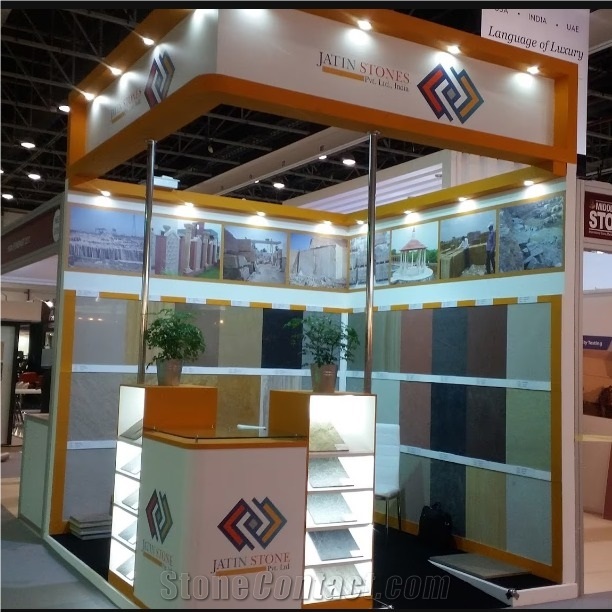
Jatin Stones Pvt. Ltd. is one of India’s leading suppliers and exporters of premium natural stones. Jatin Stones is one-stop shop for seekers of best quality natural stones, artifacts of sandstone & marble and complete landscaping solutions. We are glad to inform that this is our ancestral Business.
India has a rich history of providing stones of the highest quality used for building purposes. From the royalty of ancient India to the architects of today, the stones quarried such as marbles, sandstone, Granite, pavings, Garden Ornaments etc, have been appreciated for their perfection. At Jatin Stones, we continue this tradition through our products and services.
We are known across the world for our reliable customer services. Our Endeavour is to provide value for money to our customers and to make every single deal a pleasure. We can mix and match containers as per clients requirements so that client orders only what his immediate needs are and avoids carrying expensive extra inventories.
We strive and try our best to remain at the cutting-edge of service, quality, integrity and excellence in all that we do.
We have our Marketing Office in Jaipur and our Factory is located in “Hindaun City” in Rajasthan. We have a complete range of machines like cutting machines, sandblasting, Gangsaw and many more.
Jatin Stone Pvt. Ltd. | jatin stones private limited | 2011-09-12
| Factory size | 3000 sqm |
|---|---|
| Production lines | 4 |
| Factory location | Ricco Industrial area Hindian city |
| R&D capacity | Own Brand, OEM |
| Nearest port | mundra, chennai, mumbai |
|---|---|
| Delivery terms | FOB, CFR, CIF |
| Payment types | T/T, L/C, Credit Card, Western Union |
| Currencies | USD, EUR, CAD, AUD, GBP |
| Annual revenue | US$1 Million-US$2.5 Million |
| Export percentage | 71%-80% |
| Language spoken | English |