Post Your Needs

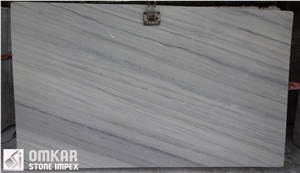
Raymond Silver Marble

White - Marble

India

About

Item Details

Material Type:
Marble
Origin:
India (Paloda, Banswara district in Rajasthan)
Primary Color(s):
White
Recommended Usage:
kitchen and bathroom countertops, wash basins, building stone, ornamental stone, stairs, interior, exterior wall and floor applications, mosaic, waterjet pattern, wall panels, table tops, balustrades, columns, wall and pool copings, pool pavers, sculptures, fireplaces, window sills
Additional Names:
Silver Raymond Marble, Raymond Silver White Marble, Raymond White Marble, Paloda White Marble, Raymond Silver Marble
Finished Surface:
Polished,Bush Hammered,Tumbled,Brushed,Honed,Split,Machine Cut,Natural Surface,Sandblasted,Combed,Leathered,Water Jet,Filled,Chiseled,Pickling

Testing

Water Absorption:
0.25 - 0.35%
Density:
2680- 2720 kg/m³
Flexural Strength:
8 - 10 MPa
Compressive Strength:
80 - 100 MPa
Stone texture:
a soft creamy-white to pale beige background enriched with delicate, wispy veining in shades of gray, taupe, and subtle brown. The veining ranges from fine hairline streaks to gently flowing organic patterns, creating a natural sense of movement and depth. Its fine to medium crystalline texture and compact structure provide a smooth, uniform appearance

Description

Raymond Silver Marble a soft creamy-white to pale beige background enriched with delicate, wispy veining in shades of gray, taupe, and subtle brown. The veining ranges from fine hairline streaks to gently flowing organic patterns, creating a natural sense of movement and depth. Its fine to medium crystalline texture and compact structure provide a smooth, uniform appearance.

Physical and Mechanical Properties

  • Water Absorption:Low water absorption rate, typically around 0.25% to 0.35%.
  • Density:Approximately 2.68 - 2.72 g/cm³.
  • Flexural Strength:Generally around 8 to 10 MPa.
  • Compressive Strength:Typically ranges from 80 to 100 MPa.
  • Hardness:Mohs hardness scale rating of 3 to 4.
  • Porosity:Low porosity, contributing to its durability and stain resistance.
  • Slip Resistance:Moderate slip resistance, can be improved with finishes or treatments.

Chemical and Mineral Compositions (Approximate % by Weight)

  • Calcium Carbonate (CaCO₃):Predominantly about 90% to 98%.
  • Magnesium Carbonate (MgCO₃):Typically around 0.5% to 3%.
  • Silica (SiO₂):Approximately 0.5% to 2%.
  • Iron Oxides (Fe₂O₃):Minor presence, generally less than 1%.
  • Alumina (Al₂O₃):Trace amounts, usually less than 1%.

Usage

  • Flooring:Ideal for both residential and commercial flooring due to its aesthetic appeal and durability.
  • Wall Cladding:Enhances the elegance of interior and exterior walls.
  • Countertops and Vanities:Suitable for kitchens and bathrooms, offering a luxurious appearance.
  • Decorative Features:Used in sculptures, columns, and artistic installations.
  • Stairs and Risers:Provides a classic touch to staircases.

Maintenance

  • Regular Cleaning:Clean with mild soap and water to avoid etching.
  • Sealing:Periodic sealing recommended to protect against stains and moisture.
  • Avoid Abrasives:Use non-abrasive cleaners to maintain the shine.
  • Spill Management:Clean spills promptly to prevent staining.

Cutting Sizes (cm)

  • Standard Slabs:Range from 2 cm to 3 cm in thickness.
  • Tile Sizes:Common sizes include 30x30, 30x60, and 60x60 cm, but can be customized.

Available Common Surface Finish Options

  • Polished:High gloss finish that enhances the natural veins and colors.
  • Honed:Smooth, matte finish that offers a softer look than polished.
  • Brushed:Textured finish that provides added slip resistance.
  • Sandblasted:Non-slip surface with a subtly rough texture.
  • Leathered:A soft sheen finish with a tactile feel.

Raymond Silver Marble's unique blend of colors and textures, coupled with its robust physical properties, makes it a versatile choice for numerous applications in both residential and commercial settings. Proper maintenance ensures longevity and preserves its natural beauty.

FAQ

How can I repair the scratched surface of the Raymond Silver Marble steps?

Repairing scratched Raymond Silver Marble steps involves a few careful steps to restore their appearance. Heres a general guide to help you with the process: 1. **Assess the Damage**: Determine the extent of the scratches. Fine surface scratches can often be handled at home, while deeper scratches might require professional assistance. 2. **Clean the Area**: Clean the marble surface with a pH-neutral stone cleaner and a soft cloth. Remove all dust, dirt, and debris from the surface to avoid further scratching during the repair process. Rinse the area with clean water and dry it thoroughly. 3. **Buffing Light Scratches**: - Use a dry, soft cloth to buff the surface in a circular motion. - For slightly deeper scratches, you can use a marble polishing powder or a marble polishing compound. Follow the manufacturers instructions to apply the product. - Apply the polishing powder with a damp cloth or a special buffing pad, working it into the scratch with a circular motion. 4. **Sanding for Deep Scratches**: - If scratches are deeper, you may need to wet-sand the area with fine-grit sandpaper (start with 400 grit and progress to 600, 800, and finally 1200 grit for best results). - Wet the sandpaper and the area being sanded, and work in small circular motions. Be cautious and gentle to avoid creating flat spots on the marble. 5. **Polish the Surface**: - After sanding, use a marble polishing compound to bring back the shine. Apply as per the instructions and use a clean cloth or buffing pad. 6. **Seal the Marble**: - Once you’re satisfied with the repair, apply a high-quality marble sealant to protect the newly restored surface. This will help prevent future scratches and stains. 7. **Prevent Future Scratches**: Use doormats or rugs at entrances to trap dirt and grit. Avoid using harsh cleaning products or abrasive materials on your marble steps in the future. If you’re not confident in performing the repair yourself or if the damage is extensive, its advisable to consult with or hire a professional stone restoration service.

If I use Raymond Silver Marble as a bar countertop, will alcoholic drinks damage its surface over time?

Using Raymond Silver Marble as a bar countertop can be an elegant choice, but it is important to be aware that marble is a porous and relatively soft natural stone. This makes it susceptible to etching, staining, and damage from acidic substances, which include many alcoholic drinks like wine, cocktails with citrus, and even some mixers. Over time, frequent exposure to these substances can lead to surface damage and discoloration. To minimize the risk, consider the following precautions: 1. **Sealant**: Applying a high-quality sealant specifically designed for marble surfaces can help protect it from staining and etching. Its important to reseal the marble regularly as recommended by the sealant manufacturer. 2. **Coasters and Mats**: Always use coasters under glasses and bottles to prevent direct contact with the marble. 3. **Immediate Cleanup**: Wipe up spills immediately to reduce the risk of staining or etching. 4. **Regular Maintenance**: Clean the countertop regularly with a pH-neutral cleaner designed for marble. Even with these precautions, some wear and tear is inevitable, so its important to decide whether the patina of aged marble suits your aesthetic preferences. If you desire a more durable and low-maintenance option, you might want to consider other materials that mimic the appearance of marble but offer greater resistance to damage, such as quartz.

Raymond Silver Marble has its own natural veins. If I use it as stair steps, will it break along these veins?

Raymond Silver Marble, like many natural stones, does have veins, which are natural lines or patterns that occur due to mineral deposits and geological processes. Whether or not the marble will break along these veins depends on several factors: 1. **Quality of the Marble**: High-quality marble is typically more durable and less prone to breakage. Make sure to select marble that is well-rated for structural usage. 2. **Thickness and Cut**: The thickness of the marble slabs used for your stair steps will greatly influence their durability. Thicker slabs are generally more resistant to breaking. Also, how the marble is cut in relation to the veins can affect its strength. Generally, its advisable to have experienced professionals cut and install it to minimize risks. 3. **Vein Orientation**: If the veins are oriented in a way that aligns with the stress forces (such as stepping), it might increase the risk of breakage. Its usually better to have the veins running perpendicular to the primary direction of applied force to enhance strength. 4. **Support and Installation**: Proper installation, with adequate support beneath each step, will help in preventing stress on the veins. Ensure that the installation is done by professionals who can assess the best way to support the stone. 5. **Environment and Usage**: Consideration of the environmental factors (indoor vs outdoor, exposure to moisture, etc.) and expected usage (frequency and weight) can also influence the marbles durability. For high-traffic areas or outdoor use, you might want to treat or seal the marble to prevent water ingress, which can exacerbate vein weaknesses. In conclusion, while using marble with natural veining for stair steps involves some risk of breakage, careful selection, proper cutting, adequate support during installation, and appropriate use can mitigate these risks. Consulting with a stone professional or structural engineer can provide additional assurance.

Will a hot pot leave a mark on a Raymond Silver Marble kitchen countertop?

Placing a hot pot directly on a Raymond Silver Marble kitchen countertop can potentially leave a mark or cause damage. Marble is a natural stone that is sensitive to heat, and extreme temperatures can cause discoloration, scorch marks, or even cracks. It’s best to use trivets or heat pads to protect the surface of your marble countertop from hot pots and pans. Additionally, using trivets helps in maintaining the aesthetic appeal and longevity of the marble.

If I cut meat directly on my Raymond Silver Marble kitchen countertop, will it damage the surface?

Cutting meat directly on your Raymond Silver Marble kitchen countertop is generally not recommended as it can potentially damage the surface. Marble is a softer and more porous material compared to other countertop options, and using knives directly on it can lead to scratches and dulling of the finish. Additionally, marble is susceptible to staining, particularly from substances like raw meat juices, which could penetrate the surface unless its properly sealed. To preserve the beauty and integrity of your marble countertop, its best to use a cutting board when preparing food. This will help prevent any scratches and stains, keeping your countertop in good condition for a longer time.

Is Raymond Silver Marble suitable for sculpture, and is it durable outdoors?

Raymond Silver Marble can be suitable for sculpture, as marble is a common material used by sculptors due to its workability and aesthetic appeal. The fineness of the grain and the ability to achieve a high polish make it particularly desirable for detailed work. However, when considering its use outdoors, there are some factors to take into account. Marble, including Raymond Silver Marble, is generally less durable outdoors compared to other natural stones like granite. Marble is more susceptible to weathering and erosion due to acid rain and pollution, which can affect its appearance over time. It is a relatively soft stone, which means it can be prone to chipping or scratching in harsh environments. Continuous exposure to moisture can also lead to staining or the growth of algae or moss. If a marble sculpture is intended for an outdoor setting, it is essential to take precautionary measures, such as applying sealants, to help protect the stone from the elements, and considering regular maintenance to preserve its condition. Nonetheless, marble remains a popular choice for both indoor and outdoor art due to its timeless beauty.

Can India's Raymond Silver Marble be used exterior applications in hot climates?

Raymond Silver Marble is a popular type of marble in India known for its silver color and smooth texture. While marble is generally a popular choice for exterior applications due to its durability and elegant appearance, it is important to consider the specific characteristics of the Raymond Silver Marble and the climate conditions in which it will be used. In general, marble is considered suitable for hot climates as it has good heat resistance and can withstand high temperatures. However, there are a few factors to consider when using Raymond Silver Marble in hot climates for exterior applications: 1. Porosity: Marble is a porous material and can absorb moisture, which may cause it to crack or discolor over time. In hot and humid climates, where moisture levels are high, it is essential to treat the marble with a good quality sealer to prevent water penetration. Regular sealing and maintenance of the marble surface will help protect it from moisture-related damage. 2. UV Resistance: Marble can be susceptible to color fading or yellowing when exposed to direct sunlight over a long period. If the exterior application of the Raymond Silver Marble is in an area with high sun exposure, it is recommended to use a marble type that has better UV resistance or consider applying a UV-resistant coating or finish to protect the surface. 3. Stability: Marble is a natural stone that can expand and contract with changes in temperature. In extremely hot climates, where temperatures may reach extreme highs and fluctuate significantly, there is a possibility of thermal stress on the marble. To ensure its stability, it is important to select high-quality marble with good structural strength and also consider proper installation techniques to minimize any potential damage. In conclusion, while Raymond Silver Marble can be used in exterior applications in hot climates, it is essential to take precautions and ensure the marble is properly sealed, protected from UV rays, and installed correctly to optimize its durability and longevity. Consulting with a professional architect or stone specialist in your specific region would provide the best guidance regarding the suitability of this marble for your particular application.

Can India's Raymond Silver Marble be used in landscaping?

Yes, Indias Raymond Silver Marble can be used in landscaping. It is a type of marble that is known for its unique silver and grey hues, which can add elegance and sophistication to outdoor spaces. Raymond Silver Marble can be used for various landscaping applications such as pathways, patios, outdoor seating areas, garden borders, and decorative elements like fountains or sculptures. Its natural beauty and durability make it an excellent choice for enhancing the aesthetics and functionality of landscaped areas.

Can India's Raymond Silver Marble be used in a office?

Yes, Indias Raymond Silver Marble can be used in an office setting. This type of marble offers an elegant and sophisticated appearance, making it suitable for various interior applications, including office spaces. Its silver and gray tones can create a polished and professional look, complementing different office designs and decor styles. Additionally, marble is known for its durability and longevity, which is advantageous for high-traffic areas such as offices.

Products & Prices

View More

Hot White Marble

New Marble

Post Your Request

The request includes:
  1. surface finished, size
  2. quantity required