Post Your Needs

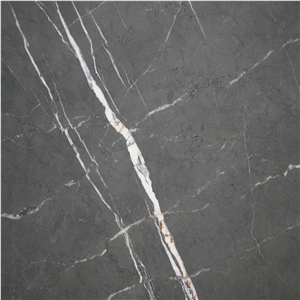
Raymond White Marble

Grey - Marble

India

About

Item Details

Material Type:
Marble
Origin:
India (Rajasthan)
Primary Color(s):
Grey
Recommended Usage:
Building stone, sinks, monuments, pool coping, sills, ornamental stone, interior, exterior, wall, floor , paving
Additional Names:
Silver Raymond Marble, Raymond Silver White Marble, Raymond Silver Marble, Paloda White Marble, Raymond White Marble
Finished Surface:
Polished, Sawn Cut, Sanded, Rockfaced, Sandblasted, Tumbled

Description

Raymond White Marble is a kind of grey marble quarried in India. This stone is especially good for Building stone, sinks, monuments, pool coping, sills, ornamental stone, interior, exterior, wall, floor , paving and other design projects. It also called Silver Raymond Marble,Raymond Silver White Marble,Raymond Silver Marble,Paloda White Marble . Raymond White Marble can be processed into Polished, Sawn Cut, Sanded, Rockfaced, Sandblasted, Tumbled and so on.

FAQ

How can I repair the scratched surface of the Raymond White Marble steps?

Repairing scratched Raymond White Marble steps can be a delicate process, as marble is a soft and porous stone that can be easily damaged. Heres a step-by-step guide to help you restore your marble steps: 1. **Clean the Surface:** - Start by cleaning the marble steps to remove any dirt, dust, or debris. Use a pH-neutral cleaner specifically designed for marble. Avoid using acidic cleaners like vinegar or lemon juice. 2. **Identify the Scratches:** - Inspect the scratches to determine their depth. Light surface scratches are easier to repair than deep ones. 3. **Sand the Scratches:** - Use a fine-grit sandpaper (such as 400-grit) or a piece of steel wool to gently sand the scratched area. Move in a circular motion and be careful not to apply too much pressure as this could deepen the scratch. 4. **Use a Marble Polishing Powder:** - Once the scratch is reduced, apply a marble polishing powder to the area. Follow the manufacturers instructions for mixing and applying the powder. Typically, youll need to dampen a cloth and buff the powder into the scratches in a circular motion. 5. **Buff the Area:** - After polishing, use a clean, dry microfiber cloth to buff the area to a shine. This helps remove any residue from the polishing powder and restores the marble’s natural gloss. 6. **Seal the Marble:** - Consider sealing your marble steps to protect them from future scratches and stains. Use a high-quality marble sealer and apply it according to the instructions provided by the manufacturer. This typically involves applying the sealer with a brush or roller and allowing it to dry for the recommended time. 7. **Regular Maintenance:** - To prevent future scratches and damage, regularly clean your marble steps with a pH-neutral cleaner and avoid using abrasive materials on the surface. Place mats or rugs at high-traffic areas to minimize wear and tear. If youre uncomfortable performing this repair yourself or if the scratches are very deep, consider hiring a professional stone restoration specialist to ensure the best results.

If I use Raymond White Marble as a bar countertop, will alcoholic drinks damage its surface over time?

Using Raymond White Marble as a bar countertop can be aesthetically pleasing, but its important to consider its characteristics and how they might react to common substances like alcoholic drinks. Marble is a natural stone that is more porous and softer than other countertop materials such as granite or quartz. This means it is more susceptible to staining, scratching, and etching. Alcoholic drinks, especially those that are acidic (such as wine, spirits, fruit juices, or mixers), can potentially etch or stain the marble surface over time. Etching occurs when an acidic substance reacts with the calcium carbonate in the marble, leaving dull spots or rings that look like marks or stains. To minimize damage, consider the following precautions: 1. **Seal the Surface:** Regularly apply a high-quality penetrating sealer to help protect the marble from stains and etching. Keep in mind, though, that even a sealed surface can be vulnerable to acidic substances. 2. **Use Coasters and Mats:** Encourage the use of coasters under drinks and mats or trays for bottles and glasses to prevent direct contact with the marble. 3. **Clean Spills Immediately:** Quickly clean up any spills to prevent them from sinking into the stone. Use a soft cloth and a mild, pH-neutral cleaner specifically designed for stone surfaces. 4. **Regular Maintenance:** Be gentle with cleaning and regularly maintain the surface to preserve its appearance. By taking these precautions, you can enjoy the beauty of Raymond White Marble in your bar area while minimizing potential damage.

Raymond White Marble has its own natural veins. If I use it as stair steps, will it break along these veins?

Using Raymond White Marble, or any natural stone with visible veins, for stair steps can be a beautiful choice. However, it does come with some considerations regarding strength and durability. The veins in marble are natural fissures or patterns that can sometimes be points of weakness, depending on how the stone is cut and installed. Here are a few factors to consider: 1. **Quality of the Marble**: Ensure that you are using high-quality marble with fewer natural flaws and weaknesses. Some types of marble may be more prone to breaking along the veins. 2. **Cut and Direction**: The way the marble is cut can influence its strength. Try to get the marble cut so that the veins run perpendicular to the direction of travel; this minimizes stress along the veins. 3. **Thickness**: Use marble of adequate thickness for stair steps. Thicker pieces are generally more robust and less likely to break. 4. **Installation**: Proper installation is crucial. Ensure that the marble is well supported and that proper adhesives and reinforcements, like backing materials, are used to provide additional strength. 5. **Load and Usage**: Consider the expected load and traffic on the stairs. Heavy usage or excessive weight could pose a risk to weaker spots in the marble. 6. **Maintenance**: Regular maintenance and sealing can help preserve the marble and prevent damage that might exacerbate any natural weaknesses. By selecting high-quality marble, ensuring proper cutting and installation, and maintaining it well, you can minimize the risk of the stairs breaking along the veins. However, its always best to consult with a professional architect or contractor who has experience with natural stone installations for more personalized advice.

Will a hot pot leave a mark on a Raymond White Marble kitchen countertop?

Yes, placing a hot pot directly on a Raymond White Marble kitchen countertop can potentially leave a mark or cause damage. Marble is a natural stone that is sensitive to heat and can suffer from thermal shock, leading to discoloration, burns, or even cracks. To protect your marble countertop, its best to use trivets or heat pads when placing hot items on the surface.

If I cut meat directly on my Raymond White Marble kitchen countertop, will it damage the surface?

Cutting meat directly on your Raymond White Marble kitchen countertop is not recommended. Marble is a relatively soft and porous stone, which makes it susceptible to scratches, stains, and etching from acidic substances. Using a knife directly on the marble surface can create scratches and dull the finish over time. To protect your countertop, its advisable to use a cutting board. This not only prevents damage to the marble but also helps maintain good hygiene, as marble can absorb juices from raw meat, leading to potential staining and bacterial growth. Always clean and seal your marble countertop regularly to maintain its appearance and durability.

Is Raymond White Marble suitable for sculpture, and is it durable outdoors?

Raymond White Marble can be suitable for sculpture, as marble is a traditional and popular material for sculpting due to its fine grain and ability to achieve smooth finishes and intricate details. However, the suitability and durability of Raymond White Marble for outdoor use depend on several factors, such as its specific composition, porosity, and the climate conditions it will be exposed to. Marble, in general, is prone to weathering over time when exposed to outdoor conditions. It can be affected by factors such as temperature fluctuations, moisture, pollution, and acid rain, which can lead to erosion, discoloration, and surface pitting. If Raymond White Marble has a low porosity and is properly sealed, it can be more resistant to these elements. However, regular maintenance and care are essential to preserve its appearance and structural integrity. For sculptures intended for outdoor installation, it might be beneficial to consider additional protective measures, such as choosing a sheltered location, applying sealants, or opting for a different material that is highly resistant to weathering, such as granite or bronze. Its also advisable to consult with a stone expert or sculptor experienced with specific types of marble to assess its suitability for your particular project and environment.

Can India's Raymond White Marble be used in a office?

Yes, Indias Raymond White Marble can be used in an office. Marble is a popular choice for office spaces due to its elegance and durability. It gives a sophisticated and professional look to the interior and can be used in various applications such as floors, walls, countertops, and accent pieces. Raymond White Marble, with its white and gray veining pattern, can create a timeless and luxurious atmosphere in an office setting.

What is the coefficient of friction of Leathered India's Raymond White Marble tiles?

The coefficient of friction of a specific type of marble tile, such as Leathered Indias Raymond White Marble, can vary depending on various factors such as the finish, surface texture, and the presence of any additional treatments or sealants. To find the coefficient of friction for Leathered Indias Raymond White Marble tiles, it is best to consult the manufacturer or supplier of these tiles as they would have specific information on the properties and characteristics of their products, including the coefficient of friction. They may be able to provide technical specifications or test reports that give this information.

Can India's Raymond White Marble be used in wall coverings?

Yes, Indias Raymond White Marble can be used in wall coverings. Marble is a popular choice for wall coverings due to its elegance, durability, and natural beauty. Raymond White Marble, specifically, is a type of white marble from India that features a bright white background with subtle grey veins, giving it a sophisticated and luxurious appearance. It can be used to create stunning accent walls, feature walls, or even entire wall coverings, adding a touch of sophistication and elegance to any space.

Can India's Raymond White Marble be used outdoors?

Yes, Indias Raymond White Marble can be used outdoors. However, it is important to note that marble is a natural stone, and outdoor exposure may cause weathering and color fading over time. To protect the marble and maintain its appearance, it is recommended to regularly clean, seal, and maintain the marble surface. Additionally, installing marble in areas with heavy foot traffic or direct exposure to extreme weather conditions may result in more wear and tear.

Products & Prices

View More

Hot Grey Marble

New Marble

Post Your Request

The request includes:
  1. surface finished, size
  2. quantity required