Post Your Needs

Red Coral Marble

Marble

India

About

Item Details

Material Type:
Marble
Origin:
India
Recommended Usage:
kitchen and bathroom countertops, wash basins, building stone, ornamental stone, stairs, interior, exterior wall and floor applications, mosaic, waterjet pattern, wall panels, table tops, balustrades, columns, wall and pool copings, pool pavers, sculptures, fireplaces, window sills
Additional Names:
Coral Red Marble, India Rosso Corallo Marble
Finished Surface:
Polished,Bush Hammered,Tumbled,Brushed,Honed,Split,Machine Cut,Natural Surface,Sandblasted,Acid Washing,Combed,Leathered,Water Jet,Filled,Chiseled,Pickling

Testing

Water Absorption:
0.2–0.36%
Density:
2660–2700 kg/m³
Flexural Strength:
12–17 MPa
Compressive Strength:
110–130 MPa

Description

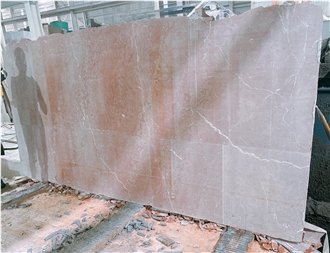
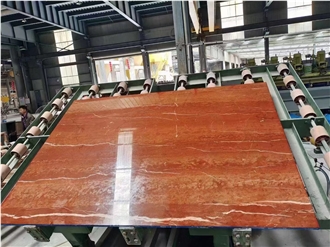
Red Coral Marble is a luxurious natural stone quarried in India, distinguished by a deep, vibrant red base ranging from rich burgundy to terracotta and reddish-brown tones, creating a bold and opulent visual impact. The color often shows subtle tonal layering, adding depth and richness to the overall appearance. The surface is enhanced by intricate, irregular veining in white, cream, and light gold, with occasional darker brown or grey streaks, forming organic, web-like or crystalline patterns. These veins vary in thickness and direction, with some areas displaying dense, contrasting clusters while others remain finely veined, resulting in a dynamic and visually engaging stone.

Texture & Pattern: Fine- to medium-grained crystalline marble with a compact structure; highly decorative with irregular, intersecting veins and natural variation throughout the surface.

Technical Test Results (approx.):

  • Bulk density: 2.66–2.70 g/cm³
  • Water absorption: 0.2–0.36%
  • Compressive strength: 110–130 MPa
  • Flexural strength: 12–17 MPa
  • Abrasion resistance: Moderate
  • Mohs hardness: 3–4

Chemical & Mineral Composition (approx. % by weight):

  • Calcite (CaCO₃): 85–95%
  • Iron oxides: 2–8%
  • Silica & quartz: 1–5%
  • Other trace minerals

Performance & Properties: Dense and workable marble with strong aesthetic appeal; suitable for interior use with moderate wear conditions.

Usage: Interior flooring, wall cladding, feature walls, staircases, vanity tops, columns, decorative panels, and luxury architectural applications.

Maintenance: Requires regular sealing due to natural porosity; clean with pH-neutral cleaners and avoid acidic substances to maintain surface finish and longevity.

Surface Finish Options: Polished (high gloss, enhances color depth), honed (smooth matte), brushed (textured), leathered (soft natural feel), and antiqued finishes depending on design requirements.

FAQ

How can I clean the grout of Red Coral Marble wall tiles?

Cleaning the grout of Red Coral Marble wall tiles requires careful attention to the delicacy of marble. Heres a step-by-step guide to help you clean the grout effectively: 1. **Gather Supplies:** - pH-neutral stone cleaner - Soft-bristle brush or toothbrush - Clean, white microfiber cloths - Warm water - Grout sealer (optional) 2. **Prepare the Area:** - Ventilate the area by opening windows or turning on a fan. - Remove any loose dirt or dust with a dry microfiber cloth. 3. **Choose the Right Cleaner:** - Use a pH-neutral stone cleaner to avoid damaging the marble. Avoid acidic or alkaline cleaners, like vinegar or ammonia, which can etch marble. 4. **Mix the Cleaning Solution:** - Dilute the pH-neutral cleaner with water according to the manufacturers instructions. 5. **Apply the Cleaner:** - Dip the soft-bristle brush or toothbrush into the cleaning solution. - Gently scrub the grout lines. Be careful to avoid excessive scrubbing on the marble tile itself to prevent scratches. 6. **Rinse:** - Wipe the area with a clean, damp microfiber cloth to remove any residue from the cleaner. Rinse the cloth frequently and change the water if it becomes dirty. 7. **Dry the Surface:** - Use a dry microfiber cloth to wipe down the tiles and grout to prevent water spots or streaks. 8. **Seal the Grout (Optional):** - Once the grout is completely dry, consider applying a grout sealer to protect against future stains and moisture. Follow the product instructions carefully. 9. **Regular Maintenance:** - Clean spills promptly and routinely dust or wipe down the tiles and grout to prevent buildup. Remember to always test any cleaning product on a small, inconspicuous area first to ensure it does not damage the marble.

Can 2cm thickness Red Coral Marble be used for a commercial building stair steps?

Using 2 cm thickness Red Coral Marble for stair steps in a commercial building may not be the most suitable choice. While marble offers aesthetic appeal and luxury, there are several factors to consider: 1. **Durability**: Marble, particularly at 2 cm thickness, can be prone to chipping and wear, especially in high-traffic areas like staircases in commercial buildings. 2. **Slip Resistance**: Marble can be slippery when polished and wet, posing a safety hazard unless properly treated with a slip-resistant finish. 3. **Maintenance**: Marble requires regular maintenance to prevent staining and wear. In a commercial environment, this can lead to higher upkeep costs. 4. **Structural Integrity**: While 2 cm marble might suffice for residential use, commercial applications typically demand more robust materials due to increased usage and load. If you are set on using marble, you might consider thicker slabs (3 cm or more) or reinforcing the steps with a suitable substructure. Additionally, consulting with an architect or structural engineer would ensure that your material choice meets the necessary safety and building code requirements.

Is Red Coral Marble suitable to use for sculpturing?

Red Coral Marble can be used for sculpturing, but there are several factors to consider before deciding if its suitable for your specific project. 1. **Texture and Workability**: Red Coral Marble may not be as fine-grained as traditional sculpting stones like alabaster or Carrara marble, but it can still be workable depending on its specific composition. 2. **Aesthetic Appeal**: This type of marble often has a unique and striking appearance with its red and pink hues and natural veining, which can add distinctive beauty to sculptures. 3. **Durability**: Like other marbles, it might be susceptible to weathering and erosion if placed outdoors, especially if the sculpture is meant for long-term display in an outdoor setting. 4. **Availability and Cost**: The availability and cost of Red Coral Marble can vary, so you should consider whether it fits your budget and project timeline. 5. **Suitability for Detail**: Depending on the project, the level of detail you can achieve with Red Coral Marble may vary. Its grain may not accommodate very fine details compared to finer marbles. Before choosing this material, it would be beneficial to acquire a sample or consult with a professional sculptor or supplier for specific information regarding its properties and suitability for your particular sculpting needs.

Can Red Coral Marble be used for a fireplace mantel? Is it resistant to heat?

Red Coral Marble can be used for a fireplace mantel, but there are several factors to consider. Marble is a popular choice for mantels due to its aesthetic appeal, with its unique patterns and vibrant colors like those found in Red Coral Marble. However, when it comes to resistance to heat, marble can be sensitive. Marble is a metamorphic rock composed mainly of calcite, which can be susceptible to heat damage if exposed to high temperatures. It is generally heat-resistant to a certain extent, but direct exposure to high heat over time may cause discoloration or damage. For a fireplace mantel, as long as it is properly installed and there is adequate clearance from the actual fire or heat source, Red Coral Marble can be a stunning choice. Its important to: 1. Ensure there is enough clearance from the heat source to avoid direct exposure. 2. Use a proper backing or insulation between the marble and the heat source if necessary. 3. Avoid placing heat-emitting items directly on the marble surface. Its also recommended to consult with a professional to assess the specific conditions of your fireplace setup and ensure that the marble will be used safely and effectively.

Does coffee stain the surface of Red Coral Marble kitchen countertop?

Yes, coffee can stain the surface of Red Coral Marble, or any marble, as it is a porous natural stone. Marble is susceptible to staining from acidic and dark-colored substances like coffee. To protect your countertop, its essential to clean spills immediately and consider using a sealant to create a protective barrier against stains. Regular maintenance and careful cleaning can help maintain the appearance of your marble countertop.

Can Red Coral Marble be used in a steam room? How does moisture and heat affect the tile surface?

Red Coral Marble can technically be used in a steam room, but there are some important considerations to keep in mind due to the effects of moisture and heat on natural stone surfaces like marble. 1. **Porosity**: Marble is a porous stone, meaning it can absorb moisture. In a steam room, where humidity levels are consistently high, this can lead to potential issues such as staining, water marks, or even degradation over time. Sealing the marble can mitigate some of these issues, but it will require regular maintenance and re-application of the sealant. 2. **Heat Sensitivity**: Marble can generally withstand the temperatures in a steam room, but extreme or rapid changes in temperature can potentially cause cracking or other damage to the stone. Proper installation and ensuring that temperature changes are gradual can help mitigate this risk. 3. **Surface Finish**: The finish of the marble can also impact its performance in a steam room. Polished marble surfaces can become slippery when wet, which is a safety concern. Honed or textured finishes might provide better slip resistance, but they may also be more susceptible to staining. 4. **Maintenance**: Using marble in a steam room will require regular cleaning and maintenance to prevent the growth of mold and mildew, which thrive in moist environments. Any cleaners used should be pH neutral to avoid etching or damaging the marble. 5. **Aesthetic Changes**: Over time, exposure to steam and moisture may cause the marble to lose its shine or develop a patina, which could alter its appearance. Overall, while Red Coral Marble can be used in a steam room, careful consideration of these factors and commitment to maintenance are essential to ensure its longevity and appearance. Consulting with a professional who specializes in stone installation and maintenance is highly recommended if you decide to use marble in this environment.

Products & Prices

View More

Hot Marble

New Marble

Post Your Request

The request includes:
  1. surface finished, size
  2. quantity required