Post Your Needs

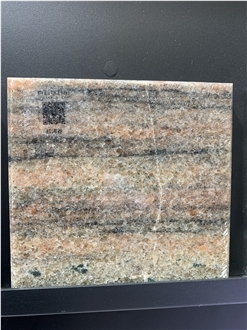
Red River Valley Marble

Marble

China

About

Item Details

Material Type:
Marble
Origin:
China
Recommended Usage:
kitchen and bathroom countertops, wash basins, building stone, ornamental stone, stairs, interior, exterior wall and floor applications, mosaic, waterjet pattern, wall panels, table tops, balustrades, columns, wall and pool copings, pool pavers, sculptures, fireplaces
Additional Names:
Salmon Pink Marble, Red River Marble, Red River Quartzite, in China stone market:红河谷(Hóng Hé Gǔ)
Finished Surface:
Polished,Bush Hammered,Tumbled,Brushed,Honed,Split,Machine Cut,Natural Surface,Sandblasted,Combed,Leathered,Water Jet,Filled,Chiseled,Pickling

Testing

Water Absorption:
0.2 – 0.3 %
Density:
2680 Kg/m³
Flexural Strength:
13 – 16 MPa
Compressive Strength:
120 – 145 MPa

Description

Red River Valley Marble is a unique and captivating stone featuring a salmon-pink base enriched with light gray to black grainy, wave-like veining. Its distinct quarzitic crystallization gives it both strength and sparkle, making it a durable yet decorative marble suitable for refined architectural and design applications. This marble is quarried in China, where its natural beauty and durability have made it a sought-after material in both domestic and international markets.

Texture & Pattern

Base Color: Warm salmon pink Veining: Light gray to black, irregular wave-like, sometimes grainy or streaked

Crystallization: Quarzitic crystalline texture with subtle sparkle under light

Visual Character: Elegant, dynamic, and timeless with both contemporary and classic appeal

Technical Test Results (Typical Values, by weight/strength)

  • Bulk Density: ~2.68 g/cm³
  • Water Absorption: 0.2 – 0.3 %
  • Porosity: <1%
  • Compressive Strength: 120 – 145 MPa
  • Flexural Strength: 13 – 16 MPa
  • Modulus of Rupture: ~14 MPa
  • Abrasion Resistance: 15 – 18 mm
  • Hardness (Mohs): 3.5 – 4

Chemical Composition (% by weight)

  • CaCO₃ (Calcium Carbonate): 82 – 88%
  • SiO₂ (Silica/Quartz): 6 – 10%
  • MgCO₃ (Magnesium Carbonate): 2 – 4%
  • Fe₂O₃ (Iron Oxide): 1 – 2% (responsible for pink hues)
  • Al₂O₃ (Alumina): 0.5 – 1%
  • Other Trace Elements: <1%

Mineral Composition (% by weight)

  • Calcite: 75 – 82%
  • Quartz: 8 – 12%
  • Mica & Feldspar: 3 – 5%
  • Iron-bearing minerals: 1 – 2%
  • Others: <1%

Applications & Usage

  • Interior Flooring & Wall Cladding
  • Bathroom Vanity Tops & Countertops
  • Fireplace Surrounds
  • Staircases & Decorative Features
  • Lobby, Hotel & Luxury Residential Projects
  • Tabletops & Custom Furniture Elements

(Not recommended for heavy traffic outdoor pavements due to moderate hardness.)

Maintenance

Regular cleaning with pH-neutral stone cleaners. Avoid acidic or abrasive products (e.g., vinegar, bleach). Apply high-quality impregnating sealer every 1–2 years to prevent staining. Wipe spills promptly to avoid etching from acidic substances (wine, citrus, vinegar).

Available Cutting Sizes (cm)

  • Slabs: 250–320 × 120–200 × 2 / 3 cm
  • Tiles: 30 × 30, 60 × 30, 60 × 60, 60 × 90, customized on request
  • Cut-to-size projects also available for staircases, vanity tops, and cladding

Surface Finish Options

  • Polished – high gloss, enhances color depth
  • Honed – smooth, matte finish for softer appearance
  • Satin / Leathered – textured with soft sheen
  • Sandblasted – slip-resistant, rough surface
  • Bush-hammered – rugged, tactile texture for exterior use
  • Brushed / Antique – aged, warm look

FAQ

How can the surface of Red River Valley Marble be bush-hammered using portable machines or tools?

Bush-hammering is a technique used to create a rough-textured surface on stone, including Red River Valley Marble. This process can enhance the aesthetic appeal and slip resistance of the stone. To bush-hammer the surface of Red River Valley Marble using portable machines or tools, follow these steps: 1. **Safety First**: Ensure personal safety by wearing appropriate safety gear, including goggles, gloves, ear protection, and a dust mask to protect against stone dust and flying debris. 2. **Choose the Right Tool**: For portable bush-hammering, electric or pneumatic hand-held bush hammers or angle grinders with bush-hammering attachments are commonly used. These tools typically have rotating or reciprocating heads with small, pyramid-shaped points. 3. **Prepare the Surface**: Clean the marble surface thoroughly to remove any dust, dirt, or grease. A clean surface ensures more uniform results and helps prevent damage to the tools. 4. **Mark the Area**: If you are only bush-hammering a specific area, it might be helpful to tape off the sections you want to treat to avoid any mistakes. 5. **Begin Bush-Hammering**: Hold the tool firmly with both hands and approach the marble surface at a consistent angle. Move the tool evenly across the marble, applying gentle and even pressure. Its essential to maintain a steady pace to achieve a uniform texture. 6. **Work in Sections**: Divide the surface into manageable sections and systematically work through each section to ensure even texturing. Overlapping slightly between passes can help avoid visible lines or discrepancies in texture. 7. **Inspect the Surface**: Periodically stop to inspect the progress. This enables you to ensure that the texture is consistent and allows for adjustments if needed. If any areas are too smooth, you can pass over them again as necessary. 8. **Clean Up**: Once the desired texture has been achieved, clean the surface to remove any dust or debris generated by the bush-hammering process. Using a vacuum or a damp cloth can be effective. 9. **Finish**: Depending on the intended final appearance, you may need to apply a sealant to help protect the marble from moisture and staining, enhancing its durability. Keep in mind that bush-hammering is a skill that improves with practice. Start with a small, inconspicuous area if youre not experienced, to refine your technique before moving on to more visible surfaces.
Can Red River Valley Marble be used for a fireplace mantel?

Yes, Red River Valley Marble can be used for a fireplace mantel. Marble is a popular choice for mantels due to its natural beauty, elegance, and durability. However, it is essential to ensure that the marble is properly sealed and maintained to protect it from heat and potential staining. Additionally, consult with a professional to confirm that the specific type of marble you have is suitable for this purpose and to ensure proper installation.

Does red wine stain the surface of a Red River Valley Marble kitchen countertop?

Red River Valley Marble is a natural stone, and like many natural stones, it can be susceptible to staining. Marble, in general, is more porous than some other types of stone, such as granite, which means it can absorb liquids that are left on its surface. Red wine, being a dark and highly pigmented liquid, has the potential to stain marble countertops if it is not wiped up promptly. To minimize the risk of staining, its important to clean up spills immediately. Additionally, applying a high-quality sealant to the marble can help protect against stains by reducing the stones porosity. Regularly resealing the countertop according to the manufacturers or installer’s recommendations can also provide ongoing protection. If a red wine spill does occur and causes a stain, there are specific marble-safe cleaning methods and products that may help lift the stain. However, it is always best to avoid harsh chemicals or abrasive cleaning tools, as these can damage the marble’s surface.

Is Red River Valley Marble mosaic flooring slippery for bathroom use?

Red River Valley Marble mosaic flooring can be a stylish choice for a bathroom, but its slip resistance largely depends on the finish and surface texture of the marble. Polished marble, which has a smooth and shiny finish, can be quite slippery when wet and may not be suitable for bathroom floors, especially in areas prone to moisture like shower floors. However, honed or tumbled marble, which has a matte and rougher surface, tends to be less slippery than polished marble. For added safety, you might consider using smaller mosaic tiles, as the increased grout lines can provide more traction and reduce the likelihood of slipping. Additionally, its always a good idea to apply a slip-resistant sealer to enhance grip. When choosing marble flooring for a bathroom, its also important to consider ongoing maintenance, as marble can be prone to staining and etching from acidic substances. Consulting with a flooring specialist can help you make the best decision based on your specific needs and preferences.

Does the surface of Red River Valley Marble table top scratch easily?

The susceptibility of a Red River Valley marble tabletop to scratching depends on several factors, including the quality of the marble, its finish, and how well it has been sealed. Marble is a relatively soft and porous natural stone compared to options like granite. As such, it can be prone to scratching and etching if not properly cared for. Key considerations include: 1. **Quality and Type of Marble**: Different types of marble have varying hardness levels. Some marble may be more susceptible to scratching than others. 2. **Finish**: A honed finish, which is matte and less shiny, can make scratches less visible compared to a polished finish, which is glossy. 3. **Sealing**: Proper sealing can help protect the surface from stains and scratches. However, sealers do not make marble scratch-proof. 4. **Care and Maintenance**: Regular maintenance and using protective measures, such as coasters, placemats, and avoiding abrasive cleaners, can significantly reduce the risk of scratching. Overall, while marble can be more prone to scratching than some other surfaces, proper care and maintenance can help minimize this risk and keep a marble tabletop looking its best.

Can sandblasted Red River Valley Marble be used for pool coping?

Sandblasted Red River Valley Marble can be used for pool coping, but there are several factors to consider to ensure its suitable for your specific situation. Heres what you should keep in mind: 1. **Slip Resistance**: Sandblasting increases the texture of the marbles surface, improving its slip resistance, which is crucial for pool coping. However, you should still assess the slip resistance rating to ensure it meets safety standards. 2. **Durability**: Marble, in general, is more porous and softer compared to other natural stones like granite. This means it can be susceptible to wear and chemical damage from pool chemicals, saltwater, and weathering over time. Ensure the marble is adequately sealed to enhance its resistance to these factors. 3. **Aesthetics**: Red River Valley Marble is known for its distinct color and appearance. Make sure that the aesthetic aligns with your overall pool design and landscaping. 4. **Maintenance**: Be prepared for regular maintenance, including cleaning and resealing, to maintain the marbles appearance and structural integrity. 5. **Climate Considerations**: If you live in an area with freezing temperatures, the freeze-thaw cycle can cause damage to marble. In such climates, extra precautions or alternative materials might be necessary. 6. **Budget**: Marble can be more expensive than other materials used for pool coping, so consider your budget constraints. Consult with a professional installer or a stone specialist to ensure Red River Valley Marble is a suitable choice for your pool, given these considerations.

Can Red River Valley Marble be used as a kitchen countertop?

Red River Valley Marble can indeed be used as a kitchen countertop, but several factors should be considered before making a decision: 1. **Aesthetic Appeal**: Marble, including varieties such as Red River Valley Marble, is prized for its unique and elegant appearance. If the look of this particular type of marble suits your design taste, it can add significant aesthetic value to your kitchen. 2. **Durability**: Marble is a softer stone compared to granite or quartz, which makes it more prone to scratches, etching, and staining, especially in high-use areas like the kitchen. Its important to consider how much traffic and use the countertop will experience. 3. **Maintenance**: Marble requires regular sealing to maintain its appearance and integrity over time. It can be more high-maintenance compared to other countertop materials like engineered quartz or granite. 4. **Heat and Stain Resistance**: Marble is heat resistant, which is a plus in a kitchen setting. However, it is not stain-proof, and acidic substances like lemon juice or vinegar can cause etching. Prompt cleaning of spills is necessary to avoid staining. 5. **Cost**: Marble can be quite expensive, and this includes both the material and the installation costs. Consider if it fits within your budget. If you decide to use Red River Valley Marble for your kitchen, be prepared to invest time in its maintenance to keep it looking its best. If high maintenance or the potential for wear is a concern, you might want to explore other materials that could better suit your needs.

Products & Prices

Hot Marble

New Marble

Post Your Request

The request includes:
  1. surface finished, size
  2. quantity required