Post Your Needs

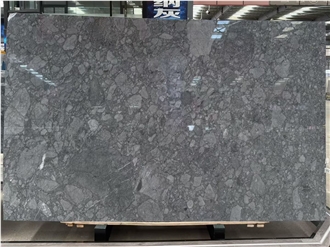
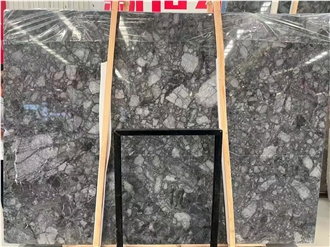
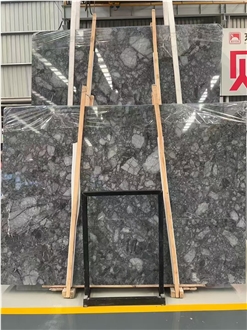
Ritz Gray Marble

Marble

Turkey

About

Item Details

Material Type:
Marble
Origin:
Turkey
Recommended Usage:
Kitchen and bathroom countertops, wash basins, building stone, ornamental stone, stairs, interior, exterior wall and floor applications, mosaic, waterjet pattern, wall panels, table tops, balustrades, columns, wall and pool copings, pool pavers, fireplaces
Additional Names:
Ritz Grey Marble, Liz Gray Marble, in China stone market:丽兹灰 (Lì zī huī), Ritz Gray Marble
Finished Surface:
Polished,Bush Hammered,Tumbled,Brushed,Honed,Split,Machine Cut,Natural Surface,Sandblasted,Combed,Leathered,Water Jet,Filled,Chiseled,Pickling

Testing

Water Absorption:
0.10–0.40 % by weight
Density:
2660–2710 kg/m³
Flexural Strength:
~7–12 MPa
Compressive Strength:
80–120 MPa

Description

Ritz Gray Marble is a sophisticated and versatile natural stone, quarried in Turkey, prized for its rich, warm gray background accentuated by subtle taupe shades. This marble showcases delicate white and deeper gray veining interspersed with distinctive pebble-like inclusions, creating a refined, textured visual character that enhances both contemporary and classic designs. 

Color & Pattern: Warm gray with taupe undertones, highlighted by soft white and darker veins; decorative pebble patterns create depth and movement across the surface.

Texture: Fine- to medium-crystalline calcite matrix with a naturally smooth finish; texture can be enhanced or varied through polishing, honing, or leathering.

Aesthetic Appeal: Timeless elegance suitable for interiors and decorative projects, offering a sense of luxury while maintaining natural warmth.

Physical & mechanical properties

  • Apparent (bulk) density / specific gravity: 2650–2710 kg/m³
  • Water absorption (by weight): ~0.10–0.40%
  • Open porosity: ~0.2% – 1.5%
  • Compressive strength: 80–120 MPa
  • Flexural / bending strength: ~7–12 MPa
  • Mohs hardness: 3 – 4 (calcite-dominant marble).
  • Abrasion resistance (ASTM-like abrasion test equivalent): low–moderate resistance compared with granites (marble will wear faster under heavy traffic).
  • Freeze–thaw resistance: generally good for interior; exterior performance depends on porosity and finish + local climate and installation method — low-absorption varieties fare better.

Chemical & mineral composition (% by weight)

  • Calcite (CaCO₃): 90% – 98% (majority).
  • Dolomite (CaMg(CO₃)₂): 0% – 8% (trace to minor in some beds).
  • Silica (quartz & silicate minerals): 0% – 3% (often as micro-grains or inclusions).
  • Clays / clay minerals / micas: 0% – 2% (contribute to taupe shades and “pebble” inclusions).
  • Iron oxides / other oxides (Fe₂O₃, TiO₂): trace — usually <0.5% (responsible for warm/taupe and darker veins).
  • Other carbonates / accessory minerals (graphite, pyrite, etc.): trace to small amounts depending on bed.

Chemical behavior note: high CaCO₃ content makes the stone acid-sensitive (etching with acids/acid cleaners) and reactive to strong acid cleaners.

Applications

Ritz Gray Marble is ideal for a variety of interior applications, including:

  • Flooring and wall cladding
  • Kitchen and bathroom countertops and vanities
  • Fireplace surrounds and feature walls
  • Decorative panels, mosaics, and inlay work
  • Stair treads, risers, and thresholds

Available Finishes

  • Polished: High-gloss finish emphasizing color depth and veining.
  • Honed: Matte-satin finish for a subtle, contemporary look.
  • Leathered: Slightly textured, elegant finish suitable for countertops and feature areas.
  • Tumbled: Soft, aged appearance ideal for mosaics or decorative detailing.

Cutting Sizes

  • Slabs: 240 × 120 cm up to 320 × 160 cm (custom sizes on request)
  • Thickness: 1.5 – 3 cm (standard), up to 4 cm for structural or bespoke elements
  • Tiles: From 30 × 30 cm up to 120 × 240 cm, with precise cutting tolerances

Maintenance

Ritz Gray Marble is a natural calcitic stone. Regular sealing and cleaning with pH-neutral products are recommended to protect against stains and maintain its natural elegance. Avoid acidic or abrasive cleaners to preserve the stone’s surface.

FAQ

If I place hot pots, pans, etc., on Ritz Gray Marble tabletop, will it leave marks?

Ritz Gray Marble, like other types of marble, is sensitive to heat. Placing hot pots, pans, or other heated objects directly on a marble tabletop can cause damage such as discoloration or burn marks. Marble is a natural stone and is composed mainly of calcium carbonate, which can be sensitive to thermal shock and high temperatures. To protect your Ritz Gray Marble tabletop from potential heat damage, its advisable to use trivets, hot pads, or coasters to act as a barrier between the hot object and the marble surface. This ensures the longevity and aesthetic appeal of your marble tabletop without risking heat-related damage.

What kind of surfaces should Ritz Gray Marble have on stairs used in commercial buildings?

When using Ritz Gray Marble for stairs in commercial buildings, its important to consider both aesthetics and safety. Here are some surface finishes that might be suitable: 1. **Honed Finish**: This provides a matte or satin-like appearance, reducing glare and the risk of slipping. Its a common choice for indoor stairs due to its balance between aesthetic appeal and slip resistance. 2. **Leathered Finish**: This finish is slightly textured, providing a good grip while maintaining the stones natural beauty. Its less reflective than a polished finish, which can be advantageous for safety. 3. **Brushed Finish**: Similar to leathered, this finish also provides texture, enhancing slip resistance. Its achieved by brushing the stone’s surface with specific tools, providing a subtle texture. 4. **Flamed Finish**: This is achieved by applying high heat to the stone, causing the surface to burst and become rough. It provides excellent slip resistance and is often used for exterior stairs but can be used indoors for a more rustic appearance. 5. **Sandblasted Finish**: This creates a rougher texture by blasting the marble with sand or other abrasive materials. It offers good grip, which is essential for safety on stairs. In commercial settings, safety should take precedence, so its crucial to choose a finish that reduces the risk of slipping while maintaining the marbles aesthetic appeal. Additionally, applying a non-slip treatment or incorporating non-slip strips can enhance safety on marble stairs. Always consult with a professional installer to ensure the chosen finish meets both safety regulations and design goals.

Can I use 2cm thick polished Ritz Gray Marble for office staircase steps?

Yes, you can use 2 cm thick polished Ritz Gray Marble for office staircase steps, but there are several factors to consider: 1. **Thickness**: While 2 cm thickness is generally suitable for decorative applications, depending on the specific use and expected load, it might be necessary to reinforce the steps or use a thicker slab, such as 3 cm, for better structural integrity and safety, especially in high-traffic areas. 2. **Polished Surface**: A polished finish, while aesthetically pleasing, can be slippery when wet. For safety reasons, consider applying an anti-slip treatment or using a honed finish instead, particularly if the staircase is in an area where moisture might be present. 3. **Load Bearing**: Ensure that the substructure is adequately designed to support the weight of marble stairs. Consult with a structural engineer if necessary to confirm that the underlying structure is sufficient. 4. **Durability**: Marble is relatively durable, but its also susceptible to scratching and staining. Consider the maintenance requirements and potential for wear in a high-traffic office environment. 5. **Aesthetics**: Ritz Gray Marble is a stylish choice that can enhance the aesthetic appeal of your office. Ensure that it complements the overall design theme of the space. 6. **Installation**: Proper installation is crucial for ensuring safety and longevity. Engage professional installers who are experienced with marble staircases. In summary, while 2 cm Ritz Gray Marble can be used for office stairs, you should carefully assess these factors, possibly with input from design and structural professionals, to ensure it meets the necessary safety, durability, and aesthetic requirements.

Is calcitic Ritz Gray Marble a suitable stone for making sculptures?

Calcitic Ritz Gray Marble can be a suitable choice for making sculptures, depending on the specific characteristics of the marble and the requirements of the sculptor. Here are some factors to consider: 1. **Composition**: Calcitic marble is primarily composed of calcium carbonate, which is relatively soft and workable. This makes it easier for sculptors to carve intricate details. 2. **Texture and Grain**: The texture and grain of Ritz Gray Marble can affect the level of detail that can be achieved. Fine-grained marbles are often preferred for detailed sculpture. 3. **Color and Aesthetics**: Ritz Gray Marble typically has a gray color with various veining patterns, which can contribute to the visual appeal of a sculpture. 4. **Durability**: While marble is generally durable, it is less so than some other stones like granite. It can be susceptible to weathering and chemical damage if placed outdoors. 5. **Workability**: Marbles softness compared to harder stones allows it to be shaped and polished more easily, which is advantageous for sculpting. 6. **Cost and Availability**: The availability and cost of Ritz Gray Marble should also be considered, as they can impact the feasibility of its use in large or multiple projects. In summary, while calcitic Ritz Gray Marble can be suitable for sculpting, the decision ultimately depends on the specific needs and constraints of the project, as well as the preferences of the sculptor.

How can I remove mold from Ritz Gray Marble wall tiles?

Removing mold from Ritz Gray Marble wall tiles requires some care to avoid damaging the marble surface. Here’s a step-by-step guide: 1. **Gather Supplies**: - Non-abrasive sponge or soft cloth - pH-neutral stone cleaner or mild dish soap - Water - Spray bottle - Soft-bristle brush - Gloves - Safety goggles - Baking soda and water (optional) - Hydrogen peroxide or isopropyl alcohol (if necessary) 2. **Ensure Proper Ventilation**: - Open windows and doors or use fans to ventilate the area where you’ll be working. 3. **Initial Cleaning**: - Mix a solution of warm water and a few drops of pH-neutral stone cleaner or mild dish soap in a spray bottle. - Spray the solution onto the moldy areas and let it sit for a few minutes to loosen the mold. 4. **Scrub Gently**: - Use a soft-bristle brush or a non-abrasive sponge to gently scrub the moldy areas. Avoid pressing too hard to prevent scratching the marble. 5. **Rinse**: - Rinse the area thoroughly with clean water using a damp cloth to remove any residual cleaning solution. 6. **Address Stubborn Mold**: - For persistent mold, create a paste using baking soda and water, apply it to the affected areas, and scrub gently with a soft-bristle brush. - Alternatively, if the baking soda method isnt effective, you can use a solution of equal parts water and hydrogen peroxide or isopropyl alcohol. Apply the solution carefully with a soft cloth or sponge, keeping the area wet for 5–10 minutes before scrubbing. 7. **Rinse and Dry**: - Rinse the area well with clean water to remove any residue of the cleaning agents. - Dry the surface completely with a soft, dry cloth to prevent more mold from forming. 8. **Prevent Future Mold**: - Ensure the area is well-ventilated to reduce moisture build-up. - Regularly clean the marble with a pH-neutral cleaner to prevent mold growth. **Note**: Always test any cleaning solution on a small, inconspicuous area of the marble first to ensure it doesn’t cause any damage. Avoid using vinegar, lemon juice, or any acidic cleaners as they can etch and damage marble surfaces.

Does Ritz Gray Marble mosaic need to be sealed?

Yes, Ritz Gray Marble mosaic should be sealed. Marble is a porous natural stone, which means it can absorb liquids and stains more easily than non-porous materials. Sealing the marble helps protect it from stains, moisture, and potential damage. It is advisable to apply a high-quality penetrating sealer to the marble mosaic before and after grouting, and then reapply the sealer periodically based on the manufacturers recommendations or as needed depending on the usage and location of the installation.

Products & Prices

Hot Marble

New Marble

Post Your Request

The request includes:
  1. surface finished, size
  2. quantity required