Post Your Needs

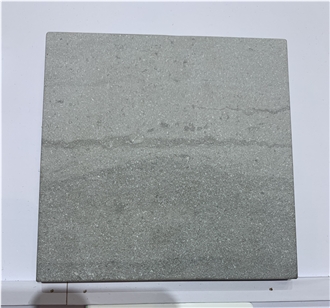
River Gray Marble

Marble

China

About

Item Details

Material Type:
Marble
Origin:
China
Recommended Usage:
Kitchen and bathroom countertops, wash basins, building stone, ornamental stone, stairs, interior, exterior wall and floor applications, mosaic, waterjet pattern, wall panels, table tops, balustrades, columns, wall and pool copings, pool pavers, sculptures, fireplaces
Additional Names:
River Grey Marble, Grey River Marble, in China stone market:河流灰(Héliú Huī)
Finished Surface:
Polished,Bush Hammered,Tumbled,Brushed,Honed,Split,Machine Cut,Natural Surface,Sandblasted,Acid Washing,Combed,Leathered,Water Jet,Filled,Chiseled,Pickling

Testing

Water Absorption:
0.18–0.22 % (by weight)
Density:
2680–2720 kg/m³
Flexural Strength:
15–17 MPa
Compressive Strength:
130–140 MPa

Description

River Gray Marble is a fine- to medium-grained natural stone featuring a muted grayish-green to light gray base color, highlighted by subtle, natural veining and speckled patterns. Its calm, understated aesthetic makes it suitable for both contemporary and classic interiors, providing a soft, elegant backdrop in flooring, wall cladding, countertops, and decorative architectural elements. This marble is quarried in China and is prized for its uniform texture, moderate hardness, and versatile application in residential, commercial, and public spaces.

Texture and Pattern

  • Texture: Fine to medium crystalline grain, smooth to touch
  • Pattern: Subtle veins and speckles, non-repetitive and organic
  • Surface Character: Naturally soft patterns with muted color variation
  • Color Variation: Light gray to grayish-green with soft tonal shifts

Technical Specifications

  • Water Absorption: ~0.18–0.22 % (by weight)
  • Density: ~2680–2720 kg/m³
  • Flexural Strength: ~15–17 MPa
  • Compressive Strength: ~130–140 MPa
  • Mohs Hardness: 3–4

Chemical Composition (% by weight)

  • CaCO₃: 94–97%,
  • MgCO₃: 1–3%,
  • Others: <2%

Mineral Composition (% by weight)

  • Calcite: 94–96%,
  • Aragonite: 1–3%,
  • Quartz / others: <2%

 * Values may vary slightly depending on quarry block and batch. 

Surface Finish Options

  • Polished (high-gloss)
  • Honed (matte)
  • Brushed Leathered (textured)
  • Tumbled (rustic)
  • Waterjet-cut patterns for decorative applications

Applications / Usage

  • Interior flooring and wall cladding
  • Countertops, vanity tops, and tabletops
  • Fireplace surrounds and feature walls
  • Staircases and thresholds
  • Commercial interiors, hotels, and residential spaces

Maintenance

  • Clean using pH-neutral stone cleaners
  • Avoid acidic or abrasive chemicals
  • Polished surfaces may require occasional polishing to maintain luster
  • Sealing is recommended for wet areas or high-traffic zones

FAQ

How can I repair the scratched surface of the River Gray Marble countertop?

Repairing a scratched River Gray Marble countertop involves a few careful steps to restore its appearance while preserving the integrity of the stone. Here’s a basic guide to help you with the process: 1. **Clean the Surface:** - Start by cleaning the countertop thoroughly to remove any dirt, dust, or residue. Use a soft cloth or sponge with a gentle dish soap mixed with warm water. - Rinse the area with clean water and dry it with a soft towel. 2. **Assess the Scratch Depth:** - Determine if the scratch is superficial or deeper. Superficial scratches can often be handled with less intensive methods, while deeper scratches may require professional intervention. 3. **Polishing Shallow Scratches:** - For light scratches, you can use a marble polishing powder or a specific marble polishing paste. These products help to gently buff out minor scratches. - Apply the polishing product according to the manufacturers instructions, typically using a damp cloth and circular motions to work the product into the scratch. - Wipe away any residue with a clean, damp cloth and dry the area. 4. **Sanding Deeper Scratches:** - For more pronounced scratches, you can try using fine-grit sandpaper (such as 1000-grit or higher). Be extremely gentle to avoid further damaging the marble. - Moisten the sandpaper and lightly sand the scratch in a circular motion. - After sanding, use a marble polishing powder or paste to further smooth and finish the area. 5. **Seal the Marble (Optional):** - Once the scratch has been addressed, consider sealing the marble to protect it from future damage. Use a marble or stone sealer, following the product instructions carefully. - This step helps prevent stains and makes the surface more resistant to scratching. 6. **Professional Help:** - If the scratch is too deep or if youre not comfortable handling it yourself, consider consulting a professional. They can perform a more thorough repair and use specialized tools and techniques. 7. **Prevent Future Scratches:** - To minimize the likelihood of future scratches, use cutting boards, trivets, and avoid dragging heavy or sharp objects across the surface. Remember that marble is a natural stone and can be sensitive to acidic substances. Always use pH-neutral cleaners designed for marble.

Is River Gray Marble with a sandblasted surface good for interior flooring?

Using River Gray Marble with a sandblasted surface for interior flooring can be a good choice depending on the specific needs and aesthetic preferences of your project. Here are some considerations to keep in mind: 1. **Aesthetic Appeal:** River Gray Marble is known for its elegant appearance, and a sandblasted finish can add a unique texture that enhances its visual appeal. It offers a more rustic and matte look compared to polished finishes, which might suit certain interior styles. 2. **Slip Resistance:** The sandblasted surface provides increased slip resistance compared to polished marble, making it safer for areas prone to moisture like bathrooms or kitchens. 3. **Durability:** Marble is a relatively durable natural stone, but it can be prone to scratching and staining, especially with a textured surface like sandblasting. It might require more maintenance to keep it looking its best. 4. **Maintenance:** Sandblasted marble surfaces may require regular cleaning and sealing to prevent stains and wear over time. Its important to use appropriate cleaning products to preserve its appearance. 5. **Comfort:** The texture of sandblasted marble can be rougher underfoot compared to polished marble, which might affect comfort depending on the location and use of the flooring. 6. **Cost:** Marble can be a more expensive flooring option compared to other materials. The sandblasting process may add additional cost to the project. 7. **Installation:** Professional installation is recommended to ensure the marble is properly laid and sealed, which will help extend its longevity. Overall, while River Gray Marble with a sandblasted surface can offer both aesthetic and functional benefits, it is crucial to consider the specific needs of your interior space and maintain it appropriately to ensure its longevity and appearance.

Is River Gray Marble a suitable choice for facade?

River Gray Marble can be a suitable choice for a building facade, but there are several factors to consider before making a decision: 1. **Aesthetic Appeal**: River Gray Marble is known for its elegant gray tones and distinctive veining, which can provide a sophisticated and contemporary look to a building facade. 2. **Durability**: Marble is generally durable, but it is softer and more porous than some other natural stones like granite. It may be more susceptible to weathering, particularly in harsh climates or areas with acid rain. 3. **Maintenance**: Marble requires regular maintenance to keep its appearance intact. It may need sealing to protect against staining and etching, especially in outdoor settings. 4. **Cost**: Marble can be relatively expensive compared to other materials. Budget considerations are important when selecting materials for a large surface area like a facade. 5. **Climate and Environmental Factors**: Consider the local climate and environmental conditions. Freezing temperatures, high humidity, or pollution can affect the longevity and appearance of marble. 6. **Weight and Structural Support**: Marble is heavy, so ensure that the building structure is capable of supporting the additional weight of a marble facade. 7. **Sustainability**: Consider the environmental impact of quarrying and transporting marble, and whether it aligns with the sustainability goals of your project. If you decide that River Gray Marble fits your aesthetic and functional needs, its a beautiful and high-quality material, but these factors must be weighed carefully against your specific project requirements.

Can 18mm thick River Gray Marble be used for commercial building stair steps?

Using 18mm thick River Gray Marble for commercial building stair steps is possible, but there are several important considerations to ensure its suitability and safety. Here are some factors to consider: 1. **Load and Traffic**: Commercial buildings can experience high foot traffic. Its essential to ensure that the marble can withstand the load and frequent use without cracking or wearing too quickly. 2. **Slip Resistance**: Marble can be slippery, especially when wet. In commercial settings, its crucial to ensure the surface is treated or finished to provide adequate slip resistance to prevent accidents. 3. **Structural Support**: The underlying structure supporting the marble steps must be robust enough to bear the weight of the marble and the expected traffic. Consulting a structural engineer might be necessary to ensure that the installation is structurally sound. 4. **Durability and Maintenance**: Marble is a relatively soft stone compared to granite, and it can be prone to scratching and staining. Regular maintenance, including sealing, might be required to keep the stairs in good condition. 5. **Building Codes and Regulations**: Ensure that the installation complies with local building codes and regulations, which may specify requirements for stair dimensions, slip resistance, and other safety features. 6. **Aesthetic and Design Considerations**: Marble is often chosen for its aesthetic appeal. Consider the overall design of the commercial space and whether River Gray Marble complements the intended architectural style. Its advisable to consult with architects, engineers, or experienced contractors who specialize in stone installation for commercial projects to assess the suitability of 18mm thick River Gray Marble for your specific application.

Do fruit juices stain the surface of River Gray Marble kitchen countertop?

Yes, fruit juices can stain the surface of River Gray Marble kitchen countertops. Marble is a porous natural stone and is particularly susceptible to staining from acidic substances, such as fruit juices, wine, vinegar, and citrus. These substances can etch the surface and leave behind permanent stains if not wiped up quickly. To prevent staining, it is important to seal your marble countertops regularly and clean up spills immediately using a pH-neutral cleaner specifically designed for natural stone.

Is River Gray Marble durable enough for use as walkway pavers?

River Gray Marble, like many marbles, can be used for walkway pavers, but there are considerations to keep in mind regarding its durability. Marble is a relatively soft and porous stone compared to other natural stones like granite or some types of sandstone. Here are a few points to consider: 1. **Durability**: Marble is susceptible to scratching and may develop a patina over time, which can include etching or staining from exposure to weather and foot traffic. 2. **Slip Resistance**: Polished marble can be slippery when wet. If used outdoors, its often recommended to use a honed or textured finish to improve traction. 3. **Weather Resistance**: Marble can be affected by extreme weather conditions. Freeze-thaw cycles in colder climates can cause cracking or spalling. 4. **Maintenance**: Marble requires regular sealing to protect against staining and surface damage. Ongoing maintenance is important to preserve its appearance. 5. **Aesthetics**: Marble pavers can provide a sophisticated and elegant look, which may be desirable for certain designs. If you choose to use River Gray Marble for walkway pavers, ensure it is properly installed and sealed, and be prepared for regular maintenance. Also, consider whether your local climate and the specific conditions of the walkway are suitable for marble.

Products & Prices

View More

Hot Marble

New Marble

Post Your Request

The request includes:
  1. surface finished, size
  2. quantity required