Post Your Needs

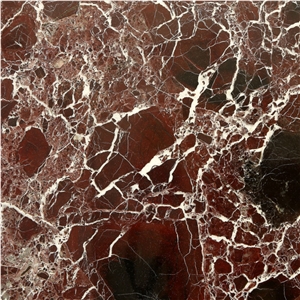
Rojo Coral Marble

Red - Marble

Spain

About

Item Details

Material Type:
Marble
Origin:
Spain (Albanilla, Murcia)
Primary Color(s):
Red
Recommended Usage:
kitchen and bathroom countertops, monuments, building stone, ornamental stone, stairs, interior, exterior wall and floor applications, mosaic, waterjet pattern
Additional Names:
Red Coralito Marble, Rosso Coralito Marble, Coralito Marmol, Rojo Coralito Marble, Rosa Coralito Marble, Red Coral Marble, in China Stone Market:珊瑚红(Shānhú hóng), Rojo Coral Marble
Finished Surface:
Polished,Bush Hammered,Tumbled,Brushed,Honed,Split,Machine Cut,Natural Surface,Sandblasted,Acid Washing,Combed,Leathered,Water Jet,Chiseled,Pickling

Testing

Water Absorption:
0.71 %
Density:
2610 kg/m³
Flexural Strength:
150 kg/cm2
Compressive Strength:
1079 kg/cm2

Description

Rojo Coral Marble is a type of natural stone that is quarried in Spain. It is a high-quality, durable stone that is known for its unique and distinctive red coloration, with occasional white or grey veins. Rojo Coral Marble is a type of marble, a metamorphic rock that is formed from limestone that has been subjected to heat and pressure, which gives it a distinctive crystalline structure. Rojo Coral Marble has a polished or honed texture, giving it a smooth and elegant appearance. It is highly resistant to heat, scratches, and stains, making it a popular choice for kitchen countertops, bathroom vanities, and other high-traffic areas. With proper care and maintenance, Rojo Coral Marble can last for many years and add natural beauty to any space. Due to its unique and distinctive red coloration, Rojo Coral Marble is a popular choice for both traditional and contemporary design styles. It can be used for a variety of design applications, including flooring, wall cladding, and decorative accents. This stone is especially good for kitchen and bathroom countertops, monuments, building stone, ornamental stone, stairs, interior, exterior wall and floor applications, mosaic, waterjet pattern and other design projects. It also called Red Coralito Marble, Rosso Coralito Marble,Coralito Marmol,Rojo Coralito Marble,Rosa Coralito Marble, Red Coral Marble, in China Stone Market:珊瑚红(Shānhú hóng). Rojo Coral Marble can be processed into Polished,Bush Hammered,Tumbled,Brushed,Honed,Split,Machine Cut,Natural Surface,Sandblasted,Acid Washing,Combed,Leathered,Water Jet,Chiseled,Pickling and so on.

FAQ

How can I clean the grout of Rojo Coral Marble wall tiles?

Cleaning the grout of Rojo Coral Marble wall tiles requires some care to avoid damaging the marble. Here’s a step-by-step guide: 1. **Gather Materials:** - pH-neutral cleaner or a specially formulated marble cleaner - Soft-bristle brush or toothbrush - Microfiber cloths or sponges - Warm water - A spray bottle - (Optional) Baking soda and hydrogen peroxide for stubborn stains 2. **Preparation:** - Start by removing any surface dust or debris with a dry microfiber cloth. - Ensure the area is well-ventilated if youre using any cleaning agents. 3. **Apply the Cleaner:** - Mix the pH-neutral cleaner with water according to the instructions on the label, or use the marble cleaner directly. - Fill a spray bottle with the cleaner solution. 4. **Cleaning Process:** - Spray the solution onto the grout lines. Be cautious not to oversaturate the marble surface. - Allow the cleaner to sit for about 5–10 minutes to break down dirt and grime. - Use a soft-bristle brush or toothbrush to gently scrub the grout lines. Avoid using too much force to prevent scratching the marble. 5. **Rinsing:** - Rinse the area with clean, warm water, using a damp microfiber cloth to wipe away any cleaner residue. - Repeat the cleaning process if necessary for more stubborn dirt or stains. 6. **Drying:** - Use a clean, dry microfiber cloth to wipe down the tiles and grout, removing any remaining moisture. 7. **Dealing with Stubborn Stains: (Optional)** - For tough stains, you can make a paste with baking soda and hydrogen peroxide. - Apply the paste carefully to grout lines and let it sit for 5–10 minutes. - Gently scrub with a soft brush, rinse, and dry as described above. 8. **Sealing:** - Consider sealing the grout to protect against future staining. Use a sealer that is safe for use with marble. Follow the manufacturer’s instructions for application. **Note:** Avoid using acidic or abrasive cleaners, vinegar, or any harsh chemicals as they can damage the marble. Always do a spot test in an inconspicuous area before applying any new cleaner.

Can 2cm thickness Rojo Coral Marble be used for a commercial building stair steps?

Using Rojo Coral Marble with a thickness of 2 cm for stair steps in a commercial building is possible, but there are several factors to consider: 1. **Durability:** Marble is a softer and more porous stone compared to granite or quartzite. In high-traffic areas like commercial staircases, it may be prone to wear, scratches, and stains over time. Special treatments and regular maintenance may be necessary to preserve its appearance. 2. **Load-Bearing Capacity:** A 2 cm thickness can be sufficient for domestic use, but commercial buildings often have higher load requirements. Its essential to ensure that the marble can support the expected foot traffic and any additional loads (e.g., moving furniture or equipment). Consulting a structural engineer for load-bearing assessments and reinforcement needs is advisable. 3. **Safety:** Marble is a smooth and sometimes slippery surface, especially when polished. For stairs, it would be important to apply non-slip treatments or choose a honed finish to reduce the risk of slips and falls. Additionally, adding anti-slip nosing to each step can enhance safety. 4. **Aesthetic Considerations:** Marble can provide an elegant and luxurious look, which may be desirable in certain commercial settings. The Rojo Coral variety, with its unique color, can make a striking visual impact. 5. **Cost:** Marble can be expensive and installation costs can be high, especially with added treatments for safety and maintenance. Future upkeep costs should also be factored into the budget. Overall, while 2 cm Rojo Coral Marble can be used for commercial building stair steps, it requires careful consideration of the factors above and potentially additional structural support or safety treatments. Consulting with building professionals, architects, and engineers is recommended to ensure the marble is suitable for your specific application.

Is Rojo Coral Marble suitable to use for sculpturing?

Rojo Coral Marble is a type of red-toned marble, and marble, in general, is a popular material for sculpture due to its relative softness and workability. Artists have used marble for centuries, valuing its fine grain and ability to hold intricate details. However, whether Rojo Coral Marble specifically is suitable for sculpturing depends on a few factors: 1. **Characteristics**: Evaluate the specific characteristics of Rojo Coral Marble, such as its hardness, grain size, and homogeneity. Marble with a consistent grain structure and uniformity is generally preferred for detailed work. 2. **Durability**: Consider the durability of this marble variant. While marble is softer than granite, some types of marble are more prone to chipping or cracking. 3. **Aesthetic Qualities**: The aesthetic appeal is also important. Rojo Coral Marble has a distinctive red color, which might be desirable for certain projects but less so for others that require lighter or more neutral tones. 4. **Availability and Cost**: Ensure that Rojo Coral Marble is readily available and fits within your budget, as some marble types can be quite expensive. 5. **Workability**: Test small samples to see how easily the marble can be shaped and polished to achieve the desired finish. If Rojo Coral Marble meets these criteria and aligns with your artistic vision, it can be a suitable choice for sculpting. However, if you are unsure, consulting with marble suppliers or experienced sculptors can provide more specific guidance.

Can Rojo Coral Marble be used for a fireplace mantel? Is it resistant to heat?

Rojo Coral Marble can be used for a fireplace mantel, as marble is a popular material for such applications due to its aesthetic appeal and durability. However, its important to consider that while marble is generally heat-resistant, it can be susceptible to thermal shock if exposed to rapid temperature changes. This means that if you plan to use Rojo Coral Marble around a functioning fireplace, you should ensure that it is properly installed to handle heat exposure safely. Additionally, using a protective sealant can help maintain its appearance and guard against staining or damage, especially if it is near smoke or soot. It’s also advisable to consult with a professional to ensure that the specific type of marble you’re considering is a suitable choice for your particular fireplace and that it will be installed in a manner that accommodates any potential heat exposure.

Does coffee stain the surface of Rojo Coral Marble kitchen countertop?

Rojo Coral Marble is a natural stone that is typically more porous and susceptible to staining compared to materials like granite or quartz. Coffee, being dark and slightly acidic, has the potential to stain marble surfaces if not cleaned up promptly. To minimize the risk of staining: 1. **Seal the Marble:** Make sure your Rojo Coral Marble countertop is properly sealed. A good sealant can help prevent liquids, including coffee, from being absorbed into the stone. 2. **Wipe Spills Immediately:** Clean up any coffee spills as soon as possible to prevent them from penetrating the surface. 3. **Regular Maintenance:** Regular cleaning with a pH-neutral cleaner and periodic resealing will help maintain the countertops appearance and resistance to stains. 4. **Use Coasters and Trays:** Prevent contact by using coasters for coffee cups and trays for pitchers or pots. If a stain does occur, there are methods to try to remove it, such as using a poultice made for marble. However, prevention is the most effective approach.

Can Rojo Coral Marble be used in a steam room? How does moisture and heat affect the tile surface?

Rojo Coral Marble can technically be used in a steam room, but there are several important considerations to keep in mind regarding moisture and heat. 1. **Porosity and Staining**: Marble is a natural stone that is porous, which means it can absorb moisture and become susceptible to staining. In a steam room, the high moisture levels could lead to the marble absorbing water, which might cause discoloration over time. To mitigate this, the marble surface should be sealed properly with a high-quality stone sealant designed for marble to help protect against moisture penetration. 2. **Durability**: Marble is generally a durable material, but it can be affected by the constant heat and moisture of a steam room. Over time, these conditions could lead to surface etching, dullness, or weakening of the stone. Regular maintenance and resealing are important to preserve its appearance and integrity. 3. **Thermal Expansion**: Natural stone can expand and contract with temperature changes. In a steam room, the constant cycling of steam and heat could potentially cause stress on the tile joints or even lead to cracking if the marble is not properly installed. Adequate spacing and the use of flexible grout can help accommodate thermal expansion. 4. **Slip Resistance**: Marble may not be the best choice for flooring in a steam room because when wet, it can become very slippery. Consider using a honed or textured finish to help improve slip resistance if using marble on floors. 5. **Maintenance**: A marble steam room would require consistent maintenance to ensure it remains in good condition. This includes regular cleaning with pH-neutral cleaners to avoid etching, as well as periodic resealing as needed. In summary, while Rojo Coral Marble can be used in a steam room, it requires careful installation, regular maintenance, and appropriate sealing to ensure longevity and appearance. Consider consulting with experts in stone installation and maintenance to ensure you make the best choices for your steam room design.

Can China's Rojo Coral Marble be used exterior applications in cold climates?

Yes, Chinas Rojo Coral Marble can be used in exterior applications in cold climates. However, it is important to note that marble is a natural stone and may be more susceptible to damage from freeze-thaw cycles compared to other materials like granite or slate. Therefore, proper precautions should be taken during installation and maintenance to ensure its durability and longevity in cold climates. This includes sealing the stone to protect it from moisture penetration, using a frost-resistant adhesive during installation, and regularly maintaining and resealing the stone to prevent damage. Consulting with a professional installer or stone supplier is recommended to ensure the suitability and proper installation of Rojo Coral Marble in cold climate exterior applications.

How thick is China's Rojo Coral Marble slabs?

The thickness of Chinas Rojo Coral Marble slabs can vary, but typically they are available in thicknesses ranging from 2 cm (0.78 inches) to 3 cm (1.18 inches). However, it is important to note that thickness options may vary based on the supplier or manufacturer.

What is the coefficient of friction of Leathered China's Rojo Coral Marble tiles?

The coefficient of friction of Leathered Chinas Rojo Coral Marble tiles is not provided in the given question. To determine the exact coefficient of friction for these particular tiles, it would be necessary to consult the manufacturer or supplier of the tiles or refer to the technical specifications provided by the company.

Project Show

Rojo Coral Marble flooring for East Asia Engineering Projects

Created: Xiamen HD Stone Import And Export Co., Ltd China

Rojo Coral Marble flooring for East Asia Engineering Projects

Products & Prices

View More

Hot Red Marble

New Marble

Post Your Request

The request includes:
  1. surface finished, size
  2. quantity required