Post Your Needs

Rojo Coralo Marble

Marble

Spain

About

Item Details

Material Type:
Marble
Origin:
Spain (Alconera, Badajoz)
Recommended Usage:
Kitchen and bathroom countertops, wash basins, building stone, ornamental stone, stairs, interior, exterior wall and floor applications, mosaic, waterjet pattern, wall panels, table tops, balustrades, columns, wall and pool copings, pool pavers, sculptures, fireplaces
Additional Names:
Coralo Red Marble, Rojo Alconera Marble, Red Alconera Marble, Alconera Red Marble
Finished Surface:
Polished,Bush Hammered,Tumbled,Brushed,Honed,Split,Machine Cut,Natural Surface,Sandblasted,Combed,Leathered,Water Jet,Filled,Chiseled,Pickling

Testing

Water Absorption:
0.1 – 0.2 % by weight
Density:
2680 – 2720 kg/m³
Flexural Strength:
16 – 18 MPa
Compressive Strength:
140 – 155 MPa

Description

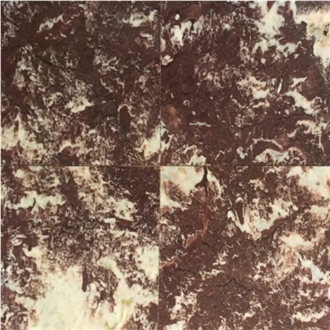
Rojo Coralo Marble is a deep red natural marble with garnet and purplish nuances. It features strong and irregular natural veining, which enhances its distinctive character and visual strength. Its luxurious red tones and dramatic veining make it ideal for prestigious interior and exterior applications, where a bold, elegant aesthetic is desired.

Petrographic family: Pending specific petrographic study – presumably calcitic-dolomitic marble

Origin / Quarry: Alconera, Badajoz, Spain

Chromatic description: Red tones of varying intensity with natural variations and irregular veining

Observations:

  • Rare variety, estimated at ~3% of the total 18.625 million m³ marble reserves at 50 m depth
  • Historical quarry fronts, now inactive, indicate its former high market value
  • Material not tested by VALEXMAR due to limited demand
  • Technical properties are assumed similar to Negro Laguna / Negro Pinta black marbles, with slightly lower strength

Texture & Pattern

Texture: Medium to fine-grained, crystalline, compact

Pattern: Predominantly solid red with dynamic white or lighter red veining; each slab is unique

Physical-Mechanical Properties

(assumed, similar to Negro Laguna / Negro Pinta, for estimation purposes)

  • Apparent Density (EN 1936): ≈ 2,680 – 2,720 kg/m³
  • Open Porosity (EN 1936): ≈ 0.3 – 0.4 %
  • Water Absorption (EN 13755): ≈ 0.1 – 0.2 %
  • Compressive Strength (EN 1926): ≈ 140 – 155 MPa
  • Flexural Strength (EN 12372): ≈ 16 – 18 MPa
  • Abrasion Resistance (EN 14157): ≈ 20 – 22 mm
  • Frost Resistance (EN 12371, 168 cycles): 0–0.5 % alteration
  • Impact Resistance (UNE-EN 14158:2004): ≈ 2–3 J
  • Thermal Shock Resistance (UNE-EN 14066:2013): ≤ –1.5 %
  • Hardness, Mineralogy & Chemistry Mohs Hardness: ≈ 3–3.5

Mineral Composition (% by weight):

  • Calcite (CaCO₃): ≈ 95–97 %
  • Hematite & Iron oxides (Fe₂O₃): ≈ 1.5–2.5 % (responsible for red color)
  • Quartz & Silicates: ≈ 1–2 %
  • Accessory minerals (mica, feldspar, clays): < 1 %

Chemical Composition (% by weight):

  • CaCO₃: 95–97 %
  • SiO₂: 1–2 %
  • Fe₂O₃ + MnO: 1.5–2.5 %
  • MgCO₃: 0.5–1 %

Applications & Usage

  • Flooring and wall cladding (interior & exterior)
  • Luxury hotel lobbies, reception halls, and offices
  • Kitchen countertops, bathroom vanities, and furniture tops
  • Stairs, thresholds, skirting, fireplaces
  • Monuments, sculptures, and restoration projects

Maintenance

  • Use pH-neutral cleaners, avoid acidic solutions
  • Seal polished and honed surfaces for stain protection
  • Regular dusting and damp cloth cleaning recommended

Available Sizes & Surface Finishes

Slabs:

  • Thickness: 20 mm, 30 mm (custom on request)
  • Dimensions: 250–300 cm x 140–200 cm

Tiles (Cut-to-Size):

  • Metric: 30x30, 40x40, 60x30, 60x40, 60x60 cm
  • Thickness: 10, 15, 20 mm (custom sizes on request)

Finishes:

Polished, Honed, Satin, Brushed, Sanded, Tumbled, Bush-hammered

FAQ

Can 2cm thick Rojo Coralo Marble be used for kitchen countertop?

Rojo Coralo Marble, like many marbles, can technically be used for kitchen countertops, but there are several factors to consider before doing so: 1. **Durability**: Marble is a softer, more porous stone compared to options like granite or quartz. This means it can scratch, etch, and stain more easily, especially in high-use areas like a kitchen countertop. Acidic substances like citrus juice, vinegar, or wine can cause etching on marble surfaces. 2. **Thickness**: A 2cm thickness is somewhat standard for marble countertops, but it may need extra support or a substrate underneath to ensure it doesnt crack or break under weight or stress, particularly around cutouts for sinks and appliances. 3. **Sealing**: Marble countertops require regular sealing to help protect against staining and moisture absorption. Sealing doesnt make the marble impervious to damage, but it can mitigate risks to some extent. 4. **Maintenance**: Marble requires more maintenance and care than other materials. It should be cleaned with mild, pH-neutral cleaners to avoid damage to the surface. 5. **Aesthetic and Use**: Rojo Coralo Marble is valued for its unique appearance, with its reddish hue and intricate veining. If the look is a priority and you are willing to undertake the maintenance, it can be a beautiful choice. However, for heavily used kitchens, it might not be the most practical option. If you decide to go with Rojo Coralo Marble for your kitchen, consulting with a professional stone fabricator and installer is advisable to ensure proper support and care. They can also provide advice on the best sealing products and maintenance practices.
How can I repair the scratched surface of the Rojo Coralo Marble steps?

Repairing scratched Rojo Coralo marble steps involves a few steps, and youll need to use some specific tools and materials to get the best results. Heres a step-by-step guide to help you restore the marbles surface: 1. **Clean the Surface:** - Begin by cleaning the marble steps thoroughly. Use a pH-neutral cleaner specifically designed for marble surfaces. Avoid acidic or abrasive cleaners as they can damage the marble further. - Rinse with clean water and dry the surface completely with a soft cloth. 2. **Assess the Damage:** - Examine the scratches to determine their depth. Shallow scratches can typically be handled more easily than deep ones. 3. **Sand the Scratched Area:** - For shallow scratches, use fine-grit sandpaper (such as 400 or 600 grit) to sand the scratch lightly. Work in a circular motion and ensure you blend the sanded area with the rest of the surface. - If the scratches are deeper, you may start with a coarser grit (such as 200 or 300) and progress to a finer grit. 4. **Polish the Marble:** - After sanding, clean the area again to remove any dust. Then, apply a marble polishing powder or compound. Follow the instructions on the product for best results. - Use a soft cloth or a felt pad to apply the polishing compound in a circular motion until the scratch is no longer visible and the surface is shiny. 5. **Seal the Marble (Optional but Recommended):** - Once youve finished polishing, consider applying a marble sealant to protect the surface from future damage. This is particularly important if the marble is exposed to heavy foot traffic or outdoor elements. - Apply the sealant according to the product instructions and allow it to dry completely. 6. **Regular Maintenance:** - To prevent future scratches, adopt a regular cleaning routine. Use only products that are safe for marble and avoid dragging heavy objects across the steps. If the scratches are particularly deep or widespread, or if the marble doesnt improve with DIY methods, it may be worthwhile to consult a professional marble restoration service. They have specialized tools and expertise to repair and refinish marble surfaces effectively.

Is Rojo Coralo Marble with a polished surface good for house flooring?

Rojo Coralo Marble can be an attractive choice for house flooring due to its striking appearance and polished finish, but there are several factors to consider before making a decision: 1. **Aesthetics**: Rojo Coralo Marble is known for its rich red color with unique veining, making it a bold and elegant option for flooring. If the color and pattern align with your design preferences and the overall aesthetic of your home, it can create a luxurious atmosphere. 2. **Durability**: Marble is a natural stone and is generally durable. However, its softer and more porous compared to other stones like granite. This means it can be susceptible to scratches, chips, and stains, especially in high-traffic areas. 3. **Maintenance**: The polished surface of Rojo Coralo Marble will require regular maintenance to keep its shine and prevent staining. It needs to be sealed periodically to protect against spills and etching from acidic substances. 4. **Comfort**: Marble tends to be cooler to the touch, which may be a consideration depending on your climate and comfort preferences. It can feel pleasant in warmer environments but may be less desirable in colder areas unless underfloor heating is installed. 5. **Cost**: Marble flooring can be more expensive than other materials, both in terms of the material itself and the cost of installation. Consider your budget and whether this aligns with what youre planning to spend on flooring. 6. **Slip Resistance**: A polished marble surface can become slippery, especially when wet. This could present a hazard in areas prone to moisture, such as kitchens or bathrooms. If you decide to use Rojo Coralo Marble for your flooring, its important to weigh these factors and consult with a professional to ensure its the right choice for your specific needs and circumstances.

Is Rojo Coralo Marble a suitable choice for gravestones?

Rojo Coralo Marble can be a suitable choice for gravestones, but there are several factors to consider: 1. **Durability**: Marble is generally less durable than granite, which is often preferred for gravestones due to its resistance to weathering. Marble can erode over time, especially in harsh climates, which might affect the longevity of inscriptions. 2. **Appearance**: Rojo Coralo Marble is known for its rich red color with varying patterns and veins, which can create a striking and beautiful appearance for a gravestone. This aesthetic might be appealing to those who prefer a unique and vibrant look. 3. **Maintenance**: Marble requires more maintenance than harder stones because it is more susceptible to staining and weathering. It may need regular cleaning and sealing to maintain its appearance. 4. **Location**: Consider the specific environmental conditions of the gravesite. Areas with high pollution or acidic rain can accelerate the weathering of marble. 5. **Cost**: Marble, in general, can be more expensive than other materials like granite. If budget is a consideration, this might impact the decision. If these factors align with your priorities, Rojo Coralo Marble can be a beautiful and meaningful choice for a gravestone.

How can I remove mold from Rojo Coralo Marble wall tiles?

Removing mold from Rojo Coralo marble wall tiles requires a gentle approach to avoid damaging the marble. Heres a step-by-step guide on how to do it safely: 1. **Ventilation and Safety**: Make sure the area is well-ventilated, and wear gloves and a mask to protect yourself from mold spores. 2. **Dry Cleaning**: Use a soft brush or a vacuum with a brush attachment to gently remove loose mold spores from the surface. Avoid using stiff brushes that could scratch the marble. 3. **Gentle Cleaning Solution**: Prepare a mild cleaning solution. Mix a few drops of a pH-neutral dish soap with warm water. Avoid acidic or abrasive cleaners that can damage marble. 4. **Test Spot**: Before applying any solution, test it on a small, inconspicuous area to ensure it does not damage or discolor the marble. 5. **Cleaning**: Dampen a soft cloth or sponge with the soapy solution and gently wipe the tiles. Do not saturate the marble; use only as much solution as necessary to clean the surface. 6. **Rinse**: Use a separate clean cloth dampened with water to wipe away any soap residue. 7. **Dry Thoroughly**: Immediately dry the area with a soft, dry towel to prevent water spots or further growth of mold. 8. **Disinfect (Optional)**: To further disinfect the area, you can use a solution of 70% isopropyl alcohol and water (in a 1:1 ratio). Spray lightly and wipe with a soft cloth. Test in an inconspicuous area first. 9. **Prevent Future Mold**: Ensure the area is well-ventilated to prevent moisture buildup, which encourages mold growth. Use dehumidifiers or fans if necessary to keep the space dry. If mold persists or the stains are deep, it might be necessary to consult a professional who has experience working with marble.

Does Rojo Coralo Marble mosaic need to be sealed?

Yes, Rojo Coralo Marble mosaic should be sealed. Marble is a natural stone that is porous, which means it can absorb liquids and stains. Sealing the marble helps protect it from staining and damage from moisture, oils, and other substances. It is recommended to seal the marble initially after installation and then to reseal it periodically, depending on the level of use and exposure to moisture and staining agents. Always use a high-quality impregnating sealer designed specifically for natural stone to ensure optimal protection.

Products & Prices

Hot Marble

New Marble

Post Your Request

The request includes:
  1. surface finished, size
  2. quantity required