Post Your Needs

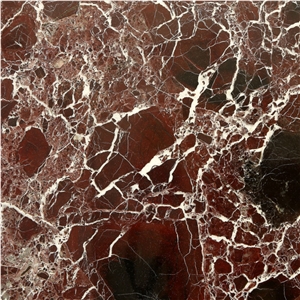
Rosa Bering Marble

Red - Marble

Norway

About

Item Details

Material Type:
Marble
Origin:
Norway
Primary Color(s):
Red
Recommended Usage:
kitchen and bathroom countertop, wash basins, building stone, ornamental stone, stairs, interior, exterior wall and floor applications, mosaic, water-jet pattern, wall panels, table tops, balustrades, columns, wall and pool copings, pool pavers, sculptures, fireplaces, window sills
Additional Names:
Rose Bering Marble, Rosa Norway Marble, Rosa Bering, Rosa Bering Marble
Finished Surface:
Polished,Bush Hammered,Tumbled,Brushed,Honed,Split,Machine Cut,Natural Surface,Sandblasted,Combed,Leathered,Water Jet,Chiseled,Pickling

Testing

Water Absorption:
0.1 - 0.2%
Density:
2720 - 2760 kg/m³
Flexural Strength:
7 - 10 MPa
Compressive Strength:
150 - 180 MPa
Stone texture:
features soft pink and rose base tones, offering a warm and charming ambiance, best known for its distinctive horizontal veining

Description

Rosa Bering Marble is a luxurious and aesthetically pleasing natural stone quarried in Norway. It is celebrated for its soft pink and rose base tones, which provide a warm and charming ambiance, making it a popular choice for various architectural and design applications. Its distinctive horizontal veining and occasional red hues enhance its visual appeal, making it unique anad sought-after.

Physical and Mechanical Properties

  • Water Absorption:Typically low, around 0.1% to 0.2% depending on the specific slab and finish.
  • Density:Approximately 2,720 to 2,760 kg/m³.
  • Flexural Strength:Ranges from 7 to 10 MPa.
  • Compressive Strength:Generally between 150 and 180 MPa.
  • Hardness:Mohs scale rating of about 3, which is typical for marble.
  • Porosity:Generally low, enhancing its resistance to moisture infiltration.
  • Slip Resistance:This depends on the surface finish; polished surfaces have lower slip resistance compared to honed or textured finishes.

Chemical and Mineral Compositions

  • Calcium Carbonate (CaCO₃):Dominant component, generally around 90-98%.
  • Magnesium Carbonate (MgCO₃):Varies between 1-3%.
  • Silica (SiO₂):Minor component, usually less than 1-2%.
  • Iron Oxides (Fe₂O₃):Contributes to the red hues, typically less than 1%.
  • Other Trace Elements:Include clay minerals, organic compounds, etc., in negligible amounts.

Usage

  • Interior Applications: Suitable for countertops, flooring, wall cladding, and bathroom vanities.
  • Exterior Applications: Less common, primarily due to weathering potential; however, can be used for decorative stonework under certain conditions.
  • Sculptural and Artistic Uses: Due to its appealing aesthetic and workable nature.

Maintenance

  • Regular cleaning with a pH-neutral cleaner is recommended.
  • Periodic sealing may be necessary to protect against staining, especially in high-traffic or spill-prone areas.
  • Avoid acidic cleaners which can etch the surface.

Cutting Sizes (cm)

  • Common slab size: 250 cm x 150 cm.
  • Tiles: Available in standard sizes like 30x30 cm, 30x60 cm, and custom sizes as required.

Surface Finish Options

  • Polished:Provides a high-gloss finish that highlights the natural colors and veining.
  • Honed:Offers a matte finish for a softer appearance, often used for flooring.
  • Brushed:Adds texture, enhancing slip resistance and providing a rustic look.
  • Tumbled:Used to create an antiqued or aged appearance.
  • Sandblasted:Provides a rough-textured surface, increasing slip resistance for exterior uses.

Rosa Bering Marble's unique appearance and versatile properties make it a favored material for adding elegance and warmth to any setting. Its maintenance involves typical care strategies for natural stones, emphasizing the prevention of etching and staining to maintain its pristine visual appeal.

FAQ

Can Norway's Rosa Bering Marble be used exterior applications in cold climates?

Norways Rosa Bering Marble can be used in exterior applications, including in cold climates. Marble is a natural stone with good resistance to cold temperatures and is often used in outdoor projects such as facades, walkways, and landscaping. However, its important to note that while marble is durable, it is still a porous material and may be susceptible to weathering over time, especially in areas with freeze-thaw cycles. Proper installation, sealing, and maintenance are crucial to ensure the long-term durability of the marble in cold climates.

Can Norway's Rosa Bering Marble be used in landscaping?

Yes, Norways Rosa Bering Marble can be used in landscaping. It is a beautiful pinkish colored marble with subtle veining, which adds a unique touch to outdoor spaces. It can be used for various landscaping purposes such as garden pathways, patios, steps, or even as decorative elements like benches or flowerbed borders. Its durability and resistance to weathering make it suitable for outdoor use, and its natural beauty enhances the overall aesthetics of the landscape design.

What is the coefficient of friction of Filled Norway's Rosa Bering Marble tiles?

The coefficient of friction of Filled Norways Rosa Bering Marble tiles can vary depending on various factors such as the specific finish applied to the tile, the level of polishing, the presence of any additional coatings or treatments, and the specific testing method used to measure the coefficient of friction. Without specific information about these factors, it is difficult to provide an exact value for the coefficient of friction. However, in general, marble tiles tend to have a relatively low coefficient of friction, especially when wet or polished. It is advisable to consult the manufacturer or supplier of the specific Rosa Bering Marble tiles you are interested in to obtain accurate and up-to-date information about their coefficient of friction.

What is the average hardness of Norway's Rosa Bering Marble?

There is insufficient information to provide an accurate average hardness value for Norways Rosa Bering Marble. The hardness of a marble type is typically measured on the Mohs scale of mineral hardness, which ranges from 1 (softest) to 10 (hardest). Without specific data or sources, it is difficult to determine the average hardness of Rosa Bering Marble.

Can Norway's Rosa Bering Marble be used outdoors?

Yes, Norways Rosa Bering Marble can be used outdoors. Marble is a natural stone that is known for its durability, which makes it suitable for various applications, including outdoor use. However, it is important to note that outdoor conditions can affect the appearance and longevity of the marble. Exposure to weather elements, such as rain, temperature changes, and sunlight, can cause the stone to fade or develop patina over time. Therefore, regular maintenance, such as sealing and cleaning, is recommended to keep the marble looking its best in an outdoor setting.

Can Norway's Rosa Bering Marble be used in a kitchen?

Yes, Norways Rosa Bering Marble can be used in a kitchen. Marble countertops are a popular choice for kitchens due to their elegance and durability. However, it is important to note that marble is a porous natural stone, which means it can be susceptible to staining and etching if not properly sealed and maintained. Regular sealing and careful use of the countertop, such as avoiding placing hot pans directly on the surface or using acidic substances, can help preserve the beauty of the marble.

Is Norway's Rosa Bering Marble an expensive stone?

Norways Rosa Bering Marble is considered a high-quality and relatively rare stone. As a result, it tends to have a higher price compared to more common marble types. The exact cost can vary depending on factors such as the size of the slab, thickness, quality, and location. It is advisable to consult with local suppliers or specialized retailers to get accurate pricing information for Rosa Bering Marble.

How thick is Norway's Rosa Bering Marble slabs?

It is difficult to provide an exact measurement for the thickness of Rosa Bering Marble slabs in Norway as it can vary depending on the specific quarry and supplier. However, marble slabs typically have a thickness range of 2cm (0.78 inches) to 3cm (1.18 inches). It is recommended to contact a supplier or marble specialist in Norway for more specific information on the thickness of Rosa Bering Marble slabs.

What grade is Norway's Rosa Bering Marble?

There is no specific grading system for Norways Rosa Bering Marble. The quality and grade of marble can vary based on factors such as color, veining, and overall appearance. Therefore, it is best to contact a supplier or expert in marble to determine the specific grade of Rosa Bering Marble available.

Are there color variations of Norway's Rosa Bering Marble?

Yes, there can be color variations in Norways Rosa Bering Marble. While the base color is typically pink or rose, variations can occur due to natural mineral impurities, geological factors, and different quarry sources. These variations can range from light pink to darker shades of rose or even have undertones of brown, gray, or purple. The intensity and distribution of veining can also vary, creating a unique and distinct appearance in each slab of Rosa Bering Marble.

Hot Red Marble

New Marble

Post Your Request

The request includes:
  1. surface finished, size
  2. quantity required