Post Your Needs

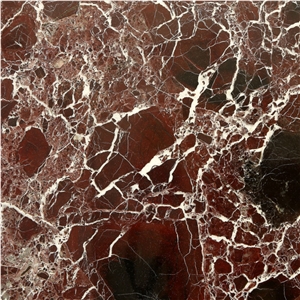
Rosso Atlas Marble

Red - Marble

Morocco

About

Item Details

Material Type:
Marble
Origin:
Morocco (Agadir, Sud Morocco)
Primary Color(s):
Red
Recommended Usage:
kitchen and bathroom countertop, wash basins, building stone, ornamental stone, stairs, interior, exterior wall and floor applications, mosaic, water-jet pattern, wall panels, table tops, balustrades, columns, wall and pool copings, pool pavers, sculptures, fireplaces, window sills
Additional Names:
Agadir Red Marble, Red Agadir Marble, Rosso Agadir Marble, Rosso Atlas Marble, Rouge Agadir Marble, Rosso Atlas, Rosso Atlas Marble
Finished Surface:
Polished,Bush Hammered,Tumbled,Brushed,Honed,Split,Machine Cut,Natural Surface,Sandblasted,Combed,Leathered,Water Jet,Chiseled,Pickling

Testing

Water Absorption:
0.17 - 0.25%
Density:
2650 - 2680 kg/m³
Flexural Strength:
9 - 11 MPa
Compressive Strength:
130 - 140 MPa

Description

Rosso Atlas Marble is a visually striking natural stone quarried in Agadir, Sud Morocco. Known for its deep brick-red to burgundy coloration, this marble also features prominent white and pink veining along with crystalline clusters that add to its visual appeal. Below are detailed descriptions of its properties, compositions, usage, maintenance, cutting sizes, and surface finish options.

Physical and Mechanical Properties

  • Water Absorption: Approximately 0.17% - 0.25%
  • Density: Between 2.65 to 2.68 g/cm³
  • Flexural Strength: Around 9-11 MPa
  • Compressive Strength: Approximately 130-140 MPa
  • Hardness: 3-4 on the Mohs scale
  • Porosity: Low to medium
  • Slip Resistance: Medium when polished, higher when honed or textured

Chemical and Mineral Compositions (% by weight)

  • Calcium Carbonate (CaCO3): 90-95%
  • Magnesium Carbonate (MgCO3): 1-3%
  • Silica (SiO2): 0.5-1.5%
  • Iron Oxides (Fe2O3): 0.2-1%
  • Other Minerals: Trace amounts of feldspar, mica, and other silicates

Usage

  • Interior Flooring and Cladding: Due to its aesthetic appeal, it is often used for indoor flooring and wall cladding.
  • Bathroom Vanities: Its water resistance and luxurious appearance make it suitable for vanity tops.
  • Countertops: While not as hard as granite, it is still used for kitchen countertops with proper sealing.
  • Fireplace Surrounds and Mantels: Its heat resistance and color make it ideal for decorative mantels.
  • Staircases: Offers a grand appearance for indoor staircases.

Maintenance

  • Regular Sealing: Due to its porosity, regular sealing every 6-12 months can prevent staining.
  • Cleaning: Use pH-neutral cleaners to maintain its natural luster.
  • Avoid Acidic Substances: Acids can etch the surface; thus, they should be avoided.

Cutting Sizes (cm)

  • Slabs: 2 cm or 3 cm thickness
  • Tiles: Common sizes include 30x30, 60x60, 45x90
  • Custom Sizes: Can be ordered depending on project requirements

Available Surface Finish Options

  • Polished: High gloss finish, enhances color and vein patterns
  • Honed: Smooth, matte finish, offers better slip resistance
  • Brushed: Adds texture while maintaining color depth
  • Leather Finish: Subtle texture and soft sheen, hides fingerprints and smudging

In Summary

Rosso Atlas Marble is a luxurious choice for enhancing the aesthetic of various architectural applications. Its unique coloring and vein structure provide an elegant, timeless look but require proper maintenance and sealing to maintain its beauty. It is available in a variety of finishes that can adapt to different design needs and functional requirements.

FAQ

How can the polished finish of Rosso Atlas be preserved?

To preserve the polished finish of Rosso Atlas, a type of marble, follow these maintenance tips: 1. **Regular Cleaning:** Use a soft, damp cloth to wipe the surface regularly. Avoid harsh chemicals and abrasive cleaners that can damage the polish. Mild pH-balanced stone cleaners are ideal. 2. **Immediate Spill Management:** Clean spills promptly to prevent staining, especially from acidic substances like wine, coffee, or citrus juices. Blot the spill with a clean cloth rather than wiping to avoid spreading. 3. **Sealing:** Apply a high-quality stone sealer every 6 to 12 months to protect against stains and etching. Follow the manufacturers instructions for proper application. 4. **Use Coasters and Mats:** Place coasters under glasses and mats under hot dishes to prevent scratching and thermal shock, which can damage the polish. 5. **Avoid Sharp Objects:** Use cutting boards instead of cutting directly on the marble to prevent scratches. 6. **Polishing:** Occasionally, you may need professional polishing to restore shine. DIY polishing kits are available, but professional services ensure the best results without causing damage. 7. **Dusting:** Regularly dust the surface to prevent the buildup of grime that can dull the finish over time. 8. **Avoid Excessive Weight:** Do not place heavy items directly on the marble as it can lead to cracking and damage the polish. By following these steps, you can maintain the polished appearance of Rosso Atlas marble effectively.

Can Rosso Atlas be used outdoors in cold climates?

Rosso Atlas is a type of marble, and using it outdoors in cold climates can present some challenges. Marble is a natural stone that is susceptible to weathering and can be sensitive to temperature changes. In cold climates, especially where there is a freeze-thaw cycle, marble can be prone to cracking or deteriorating over time. If you plan to use Rosso Atlas marble outdoors in a cold climate, consider the following: 1. **Sealing**: Ensure the marble is properly sealed with a high-quality impregnating sealer. This can help protect it from moisture penetration, which is critical in preventing freeze-thaw damage. 2. **Maintenance**: Regular maintenance and resealing might be necessary, especially after winter, to maintain its appearance and durability. 3. **Installation**: Proper installation is crucial. Ensure that the base and joints are well-prepared to handle the expansion and contraction due to temperature changes. 4. **Shaded Areas**: Marble in shaded or covered areas may fare better, as it will be less exposed to direct weather extremes. 5. **Alternatives**: Consider using marble for decorative elements rather than high-traffic areas if you are concerned about its longevity in outdoor settings. If youre still in doubt, consulting with a local stone professional or architect who understands the specific climate and conditions may provide more tailored advice.

Is Rosso Atlas suitable for shower floors and wet-area flooring?

Rosso Atlas, a type of natural stone often used for countertops, wall cladding, and flooring, can be suitable for shower floors and wet areas, but there are several considerations to take into account. 1. **Porosity and Sealing**: Natural stones like Rosso Atlas tend to be porous, which means they can absorb water and potentially stain or become damaged over time, especially in a wet environment. Applying a high-quality sealant can help reduce porosity and protect the stone, but it should be regularly maintained and reapplied according to manufacturer recommendations. 2. **Slip Resistance**: The slip resistance of Rosso Atlas depends on its finish. Polished stone can be quite slippery when wet, posing a risk of slipping in showers and wet areas. A honed or textured finish can provide better traction, making it more suitable for these applications. 3. **Durability**: Ensure the stone is durable enough to withstand the conditions of a wet environment, including frequent exposure to water and potential chemical cleaners. Some stones can be affected by acidic or harsh cleaning products. 4. **Aesthetic Considerations**: The aesthetic and design elements of Rosso Atlas can create a luxurious and dramatic look in a shower or wet area. Consider how it complements other materials used in the space. 5. **Professional Installation**: Proper installation by professionals is crucial to ensure that the stone is laid correctly and that water drainage is accounted for to prevent pooling and water damage. Before deciding to use Rosso Atlas for shower floors or wet-area flooring, consult with a professional designer or stone specialist to assess its suitability for your specific needs and to explore the best sealing and maintenance practices.

How does lighting affect the appearance of Rosso Atlas?

Rosso Atlas is a type of marble or stone that has a rich red coloration, often with intricate veining and varying shades within the red spectrum. Lighting can significantly affect its appearance in several ways: 1. **Natural vs. Artificial Light**: Under natural light, Rosso Atlas may appear more vibrant and its colors can be more accurately represented. In artificial light, the appearance can change depending on the light source. Warm lighting can enhance its red hues, while cooler lighting might mute them. 2. **Intensity of Light**: Strong, direct lighting can make the details and veins in the marble more pronounced, highlighting its texture and color variations. Diffused or indirect lighting will create a softer, more uniform appearance. 3. **Angle of Light**: The angle at which light hits the surface can also affect its look. A side-lit or raked light can emphasize the texture and veining of the stone, creating a dramatic effect. 4. **Reflections and Gloss**: Rosso Atlas often has a polished finish, and lighting can create reflections that enhance its luxurious appearance. However, overly harsh lighting may cause glare that can obscure the stones natural patterns. 5. **Ambient Light Colors**: The colors in the surrounding environment and the walls can also affect how Rosso Atlas appears. It can reflect and slightly change in perception based on nearby colors. Overall, lighting plays a crucial role in how Rosso Atlas is perceived, and understanding these effects can help in designing spaces that maximize its aesthetic potential.

Can Rosso Atlas be used for a statement wall in commercial projects?

Yes, Rosso Atlas can indeed be used for statement walls in commercial projects. This natural stone, known for its striking red and earthy tones, can add a bold and sophisticated look to any space. Its unique color and veining make it particularly suitable for creating a focal point in an area such as a lobby, reception area, or conference room. However, its important to consider factors like maintenance, wear and tear, and overall design harmony with the rest of the space when selecting Rosso Atlas for a commercial project. Additionally, consulting with a professional designer or architect can ensure that it complements the projects aesthetic and functional goals.

Is Rosso Atlas suitable for minimalist interiors?

Rosso Atlas, a type of marble known for its rich red color with intricate white veining, can certainly be suitable for minimalist interiors if used thoughtfully. Minimalist design emphasizes simplicity, clean lines, and a limited color palette. Heres how Rosso Atlas can fit into such a design: 1. **Accent Feature**: Use Rosso Atlas as an accent feature, such as a focal point wall, a fireplace surround, or a kitchen backsplash. Its bold color can add character and interest to an otherwise neutral space. 2. **Complementary Palette**: Pair Rosso Atlas with neutral and subdued colors like whites, grays, or beige to maintain the minimalist aesthetic while allowing the marble to stand out. 3. **Furniture**: Consider using Rosso Atlas for smaller furniture pieces, like coffee or side tables, to introduce the richness of the marble without overwhelming the minimalist vibe. 4. **Balance with Simplicity**: Balance the drama of Rosso Atlas by keeping the rest of the decor simple and streamlined. Minimalist furnishings and uncluttered spaces will allow the marble to shine without disrupting the minimalist look. 5. **Natural Element**: Incorporating Rosso Atlas can bring a natural element into the interior, which can enhance the minimalist aesthetic that often includes natural materials like wood and stone. Overall, Rosso Atlas can be used effectively in minimalist interiors if applied strategically, keeping the overall design balanced and harmonious.

Can Morocco's Rosso Atlas Marble be used exterior applications in very rainy climates?

Yes, Moroccos Rosso Atlas Marble can be used for exterior applications in very rainy climates. This is because Rosso Atlas Marble is known for its durability and resistance to weathering. It is a dense and hard material that can withstand constant exposure to moisture, including heavy rain. However, proper installation and maintenance are crucial to ensure the longevity of the stone in such environments. Sealing the marble and ensuring proper drainage are important considerations for exterior applications in rainy climates.

What is the coefficient of friction of Filled Morocco's Rosso Atlas Marble tiles?

The coefficient of friction of filled Moroccos Rosso Atlas marble tiles varies depending on the specific surface finish and conditions. However, the coefficient of friction for polished marble tiles is typically around 0.6. This means that it has a moderate level of slip resistance. It is important to note that the coefficient of friction can also be influenced by factors such as humidity, surface contaminants, and the presence of sealants or coatings.

Can Morocco's Rosso Atlas Marble be used in a office?

Yes, Moroccos Rosso Atlas Marble can certainly be used in an office setting. It is a versatile and elegant stone that can be used for various purposes such as flooring, wall cladding, reception desks, countertops, and conference tables. Its deep red color with intricate white and beige veining provides a luxurious and sophisticated look, creating a visually pleasing environment in an office. Additionally, Rosso Atlas Marble is also durable and long-lasting, making it suitable for high-traffic areas.

How thick is Morocco's Rosso Atlas Marble slabs?

The thickness of Moroccos Rosso Atlas Marble slabs can vary depending on the specific manufacturer or supplier. However, standard thickness options for marble slabs generally range from 2 centimeters (0.79 inches) to 3 centimeters (1.18 inches).

Products & Prices

Hot Red Marble

New Marble

Post Your Request

The request includes:
  1. surface finished, size
  2. quantity required