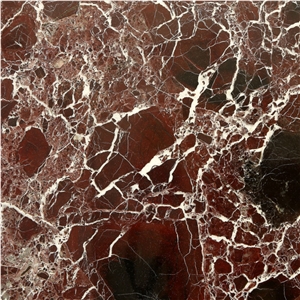
Rosso di Avane Marble

About
Item Details
- Material Type:
- Marble
- Origin:
Italy (Vecchiano, Provincia di Pisa, Toscana) - Primary Color(s):
- Red
- Recommended Usage:
- kitchen and bathroom countertop, wash basins, building stone, ornamental stone, stairs, interior, exterior wall and floor applications, mosaic, water-jet pattern, wall panels, table tops, balustrades, columns, wall and pool copings, pool pavers, sculptures, fireplaces, window sills
- Additional Names:
- Rosa Avane Marble, Rosso di Avane Marmor, Marmi Rosa di Avane, Rosso Vecchiano Marble, Rosso di Avane, Rosso di Avane Marble
- Finished Surface:
- Polished,Bush Hammered,Tumbled,Brushed,Honed,Split,Machine Cut,Natural Surface,Sandblasted,Combed,Leathered,Water Jet,Chiseled,Pickling
Testing
- Density:
- 2660 - 2730 kg/m³
- Flexural Strength:
- 12 - 15 MPa
- Compressive Strength:
- 75 - 95 MPa
- Stone texture:
- a premium Italian natural stone valued for its distinctive, earthy terracotta-red base layered with rich veins
Description
Rosso di Avane Marble is a premium natural stone quarried in Vecchiano, Provincia di Pisa, Toscana, Italy. Its unique and eye-catching characteristics make it a prized material in architecture and design. Let’s delve into the various details about this remarkable stone.
Color and Appearance
- Primary Color: Earthy terracotta-red
- Veins: Rich and pronounced, offering a dynamic and elegant look
- Texture: Smooth with natural veining patterns
Physical and Mechanical Properties
- Water Absorption: Typically low, but specific values depend on the exact quarry characteristics.
- Density: Approximately 2.66 to 2.73 g/cm³
- Flexural Strength: Usually ranges around 12-15 MPa
- Compressive Strength: Approximately 75-95 MPa
- Hardness: Mohs hardness of about 3-4
- Porosity: Low, contributing to its durability and resistance to water penetration
- Slip Resistance: Varies with finish; polished surfaces offer less slip resistance than honed or textured finishes.
Chemical and Mineral Composition
- Calcium Carbonate (CaCO₃): Predominant, often over 90%
Minerals:
- Calcite: Dominant mineral
- Quartz: Minor presence, affecting hardness
- Iron Oxides: Responsible for the red and terracotta hues
- Other Trace Elements: Contributing to its color variation and pattern complexity
Usage
- Residential Applications: Flooring, wall cladding, countertops, fireplaces, and decorative accents
- Commercial Applications: Lobbies, columns, feature walls, and tiles
- Outdoor Uses: Some applications in patios and facades, though typically more suited to interiors due to weathering
- Sculptural and Artistic Uses: Valued for its workability and aesthetic appeal in artistic expressions
Maintenance
- Regular Cleaning: Soft cloth or mop with pH-neutral cleaners.
- Sealing: Regular sealing is recommended to enhance stain resistance.
- Avoidance: Acidic and abrasive cleaners should be avoided to prevent etching and scratching.
Cutting Sizes
- Slabs: Typically available in standard sizes like 2 cm and 3 cm thickness
- Tiles: Common sizes include 30x30 cm, 30x60 cm, and custom sizes on request
- Custom Cut: Available for bespoke applications
Common Surface Finish Options
- Polished: High gloss, accentuates color and veining
- Honed: Smooth but matte, offering a more subdued look
- Brushed: Lightly textured for a rustic appearance
- Sandblasted: Coarser texture for enhanced slip resistance
- Leathered: Soft sheen and texture, offering a modern, subtle appearance
Rosso di Avane Marble's stunning visual appeal combined with its physical properties makes it a sought-after material for both modern and classic design projects. Proper care and maintenance can greatly extend the life and beauty of this exquisite marble.
FAQ
The average thickness of Italys Rosso di Avane marble slabs ranges from 2 centimeters (0.79 inches) to 3 centimeters (1.18 inches).
What is the coefficient of friction of Chiseled Italy's Rosso di Avane Marble tiles?
The coefficient of friction of Chiseled Italys Rosso di Avane Marble tiles can vary depending on the specific surface finish applied to the tiles. Generally, marble is a relatively smooth material, so the coefficient of friction would be on the lower side. However, if the tiles are chiseled or textured, it can increase the coefficient of friction, providing more traction. To obtain specific information regarding the coefficient of friction for Chiseled Italys Rosso di Avane Marble tiles, it is recommended to contact the manufacturer or supplier directly.
Can Italy's Rosso di Avane Marble be used in wall coverings?
Yes, Italys Rosso di Avane Marble can be used in wall coverings. It is a type of red marble with beautiful patterns and a luxurious appearance. It is often used in interior design applications, including wall coverings, due to its elegance and durability. Whether it is used as a single slab on a feature wall or as smaller tiles, Rosso di Avane Marble can add a touch of sophistication to any space.
Can Italy's Rosso di Avane Marble be used exterior applications in very dusty climates?
While Rosso di Avane Marble is a high-quality and durable natural stone, it may not be the most suitable choice for exterior applications in very dusty climates. Marble is a softer stone compared to other options like granite or quartzite, and it is more prone to scratching, staining, and weathering. Additionally, the fine grains and smooth surface of this particular marble make it more susceptible to dust accumulation and visibility. In a dusty environment, the marble may require frequent cleaning and maintenance to keep it looking its best. It might be more suitable to consider other stone options that are more resistant to environmental factors and require less maintenance.
Can Italy's Rosso di Avane Marble be used in a kitchen?
Yes, Rosso di Avane Marble can be used in a kitchen. However, it is important to note that marble is a softer and more porous natural stone, which means it may require more maintenance and care compared to other countertop materials like granite or quartz. Marble is also susceptible to etching and staining, so it is essential to avoid using acidic or abrasive cleaners and to promptly clean up any spills. A sealer can also be applied to help protect the marble and extend its lifespan.
Is Italy's Rosso di Avane Marble an expensive stone?
I dont have access to real-time market prices or current industry supply and demand. However, Rosso di Avane Marble is generally considered an expensive stone due to its rarity and unique appearance. The pricing of natural stones depends on various factors such as availability, quality, and origin. It is best to contact a professional stone supplier or manufacturer for a specific price quote.
Can Italy's Rosso di Avane Marble be used outdoors?
Yes, Italys Rosso di Avane Marble can be used outdoors due to its durability and resistance to weathering. However, it is important to ensure that it is properly sealed and maintained to prevent staining and deterioration.
What grade is Italy's Rosso di Avane Marble?
I cannot provide a specific answer as the grade of Rosso di Avane Marble can vary depending on the organization or standards being used. However, Rosso di Avane Marble is generally considered to be a high-quality marble with a grading that is often determined by the color consistency, veining, and other characteristics.
Are there color variations of Italy's Rosso di Avane Marble?
I cannot confirm the existence of all color variations of Italys Rosso di Avane Marble. However, it is generally known to have a deep red color with occasional white veins and some tonal variations. The specific color and pattern may vary from block to block, making each piece unique.