Post Your Needs

Royal Platinum Marble

Marble

China

About

Item Details

Material Type:
Marble
Origin:
China
Recommended Usage:
Kitchen and bathroom countertops, wash basins, building stone, ornamental stone, stairs, interior, exterior wall and floor applications, mosaic, waterjet pattern, wall panels, table tops, balustrades, columns, wall and pool copings, pool pavers, sculptures, fireplaces, window sills
Additional Names:
Royal White Marble, Royal Platinum White Marble, in China stone market:产品名称(Diāojīn Bái), 白金洞石 (Bái Jīn Dòng Shí), Royal Platinum Marble
Finished Surface:
Polished,Bush Hammered,Tumbled,Brushed,Honed,Split,Machine Cut,Natural Surface,Sandblasted,Combed,Leathered,Water Jet,Chiseled,Pickling

Testing

Water Absorption:
0.18 - 0.30 %
Density:
2650 - 2720 kg/m³
Flexural Strength:
12 - 18 MPa
Compressive Strength:
95 - 125 MPa
Stone texture:
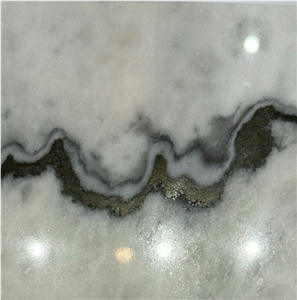
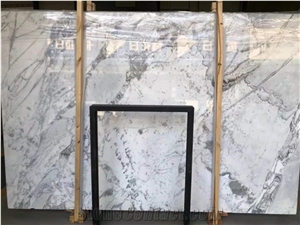
a luxurious natural marble distinguished by its soft, milky white background with subtle gray-white veining. What makes this stone unique is the presence of natural, irregular veins in rich golden-brown and deep dark green hues, which resemble gilded, gold-plated patterns flowing across the white background.

Description

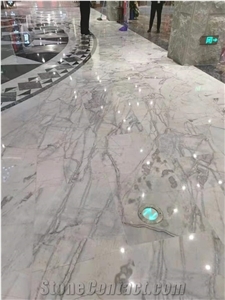
Royal Platinum Marble is an elegant natural marble distinguished by its soft, milky white background with subtle gray-white veining throughout. What makes this stone truly unique is the presence of natural, irregular veins in rich golden-brown and deep dark green hues. These flowing veins resemble gilded, gold-plated patterns gracefully moving across the white surface, creating a refined and luxurious visual effect. The harmonious contrast between the pure white base and the dramatic golden and green accents makes Royal Platinum Marble ideal for high-end architectural and interior applications.

Texture & Pattern

Texture: Fine to medium-grained crystalline structure

Surface Feel: Smooth and compact

Pattern:

  • Soft gray-white background veining
  • Bold, irregular golden-brown and dark green veins
  • Natural flowing patterns with artistic movement

Variation: Moderate; each slab features unique veining distribution

Physical & Mechanical Properties (Test Results)

  • Density (Unit Volume Mass): 2,650–2,720 kg/m³
  • Water Absorption: 0.18–0.30 %
  • Compressive Strength (Dry): 110–145 MPa
  • Compressive Strength (After Freezing): 95–125 MPa
  • Flexural Strength: 12–18 MPa
  • Abrasion Resistance: Moderate
  • Impact Resistance: Good
  • Thermal Expansion Coefficient: ~4.0 × 10⁻⁵ /°C
  • Mohs Hardness: 3–4

 * Values may slightly vary depending on quarry block and testing standards.

Chemical Composition (% by Weight)

  • Calcium Carbonate (CaCO₃): 90–95%
  • Magnesium Carbonate (MgCO₃): 1–3%
  • Silicon Dioxide (SiO₂): 1–3%
  • Iron Oxide (Fe₂O₃): 0.5–1.5%
  • Other trace minerals: ≤1%

 * The golden-brown tones are typically influenced by iron oxide presence, while darker green shades may result from mineral inclusions such as chlorite or serpentine.

Mineralogical Composition (% by Weight)

  • Calcite: 90–95%
  • Dolomite: 1–3%
  • Quartz: 1–3%
  • Accessory minerals (mica, chlorite, serpentine): ≤2%

Applications

Royal Platinum Marble is suitable for:

  • Interior flooring
  • Wall cladding
  • Feature walls
  • Vanity tops
  • Fireplace surrounds
  • Staircases
  • Decorative panels

 * Recommended primarily for interior use. Exterior use is possible with proper sealing and climate consideration.

Maintenance

  • Clean with mild, pH-neutral stone cleaners
  • Avoid acidic substances (vinegar, lemon, harsh chemicals)
  • Use coasters and protective pads on countertops
  • Seal periodically, especially in wet or high-traffic areas
  • Wipe spills immediately to prevent staining

FAQ

Does Royal Platinum Marble wall mosaic tiles need to be sealed?

Yes, Royal Platinum Marble wall mosaic tiles typically need to be sealed. Marble is a natural stone and, like many natural stones, it is inherently porous, making it susceptible to staining and moisture absorption. Sealing marble tiles helps to protect them from stains, scratches, and water damage, enhancing their durability and maintaining their appearance over time. When sealing marble tiles, it is important to choose a high-quality marble sealer that is designed for use on natural stone surfaces. Follow the manufacturers instructions for application, and consider resealing the tiles periodically, as recommended, to maintain their protective barrier.

Can 18 mm thick Royal Platinum Marble be used for stair steps?

Using 18 mm thick Royal Platinum Marble for stair steps can be feasible, but there are several factors to consider to ensure safety and durability: 1. **Structural Support**: Ensure that the underlying structure can support the marble’s weight. Marble is heavy, and the substructure must be able to bear the load adequately. 2. **Thickness**: 18 mm is relatively thin for stair treads, which are typically thicker to withstand heavy and dynamic loads. Assess whether the marble can withstand the expected foot traffic without fracturing. 3. **Strength and Durability**: Marble, while beautiful, is a softer stone compared to granite or quartzite. It can wear down or scratch over time, especially on stairs, which are high-traffic areas. 4. **Slip Resistance**: Marble can be slippery when polished. Consider the finish of the marble (e.g., honed or textured surfaces can improve grip compared to a polished finish). 5. **Edge Treatment**: Pay attention to the edges of the steps. Rounded edges are safer and less likely to chip compared to square edges. 6. **Maintenance**: Regular maintenance is necessary to keep marble looking its best and to prevent staining or etching. Consider whether you are prepared for this upkeep. 7. **Regulation Compliance**: Check local building codes and regulations regarding stair construction specifications, which might dictate material thickness and other safety requirements. 8. **Consult a Professional**: Given these considerations, consulting with a structural engineer, architect, or experienced contractor is recommended to ensure the installation will be safe, compliant, and durable. If the marble doesn’t meet the required standards for safety and durability, you might need to consider using a different thickness or adding reinforcement, such as a substrate underneath the marble for additional support.

Do fruit juices stain the surface of Royal Platinum Marble kitchen countertop?

Royal Platinum Marble countertops are known for their elegance and high-end appearance, but like all natural stones, they can be susceptible to staining from acidic substances, including fruit juices. Marble is a porous material, which means it can absorb liquids and be stained by acidic and pigmented substances. Fruit juices, especially those high in acidity like lemon, orange, or grape, can etch and stain the surface of marble. The acid reacts with the calcium carbonate in the marble, causing dull spots or etching, and the pigments can leave a more noticeable stain. To protect your Royal Platinum Marble countertop, it is advisable to: 1. Wipe up spills immediately to prevent absorption into the stone. 2. Use coasters, placemats, or trays to catch any potential spills. 3. Seal your marble countertop regularly, as a good seal can offer some level of protection against staining. 4. Use pH-neutral cleaners specifically designed for natural stone to maintain the surface without causing additional damage. If a stain does occur, there are specific poultices and cleaning methods that can help remove it, but it’s often best to consult a professional to avoid further damage.

How can I maintain Royal Platinum Marble scratched kitchen countertop?

Maintaining a Royal Platinum Marble countertop, especially one that has been scratched, involves a few careful steps to ensure that you restore its appearance and prevent further damage. Here’s a guide to help you maintain your marble countertop: 1. **Cleaning**: - **Daily Cleaning**: Wipe the surface regularly with a soft cloth and a pH-neutral cleaner specifically made for marble. - **Immediate Spill Cleanup**: Clean any spills immediately, especially acidic substances like citrus, wine, vinegar, or tomato sauce, as marble is prone to etching. 2. **Dealing with Scratches**: - **Assess the Scratch**: Determine the depth of the scratch. Minor surface scratches are easier to handle compared to deep gouges. - **Buffing**: For minor scratches, gently buff the countertop using a soft cloth and a marble polishing powder. Follow the instructions on the product carefully. - **Use of Pumice or Etch Remover**: Light scratches might be mitigated with an etch remover or a fine-grade pumice. Rub gently in circular motions. - **Professional Repair**: For deeper scratches, consider hiring a professional who can sand and polish the marble to restore its surface. 3. **Polishing**: - Use a marble polishing compound or a specialized marble polish to enhance the shine after cleaning and scratch removal. - Follow the instructions on the product and work in small sections to ensure even polishing. 4. **Sealing**: - **Regular Sealing**: Marble countertops should be sealed periodically to protect against staining. Depending on usage, this could be every 6 months to a year. - Follow the manufacturer’s instructions for sealing and ensure the countertop is clean and dry before application. 5. **Preventive Measures**: - **Use Cutting Boards and Trivets**: Always use cutting boards and trivets when handling sharp objects or hot items to prevent scratches and heat damage. - **Avoid Harsh Chemicals**: Stay away from acidic or abrasive cleaners, as they can etch and damage the marble surface. - **Soft Cloth or Sponge**: Use a soft, non-abrasive cloth or sponge for cleaning instead of rough materials like steel wool. 6. **Regular Inspection**: - Periodically inspect your countertop for signs of etching, dullness, or additional scratches. Address any findings promptly to maintain the beauty of the marble. Being consistent with these maintenance practices will help keep your Royal Platinum Marble countertop looking pristine and can prolong its life. If in doubt, especially with severe scratches or damage, consulting with a professional is always a good approach.

Is 3cm thick Royal Platinum Marble durable enough for use as walkway pavers?

Royal Platinum Marble, like many types of marble, is typically valued for its aesthetic appeal rather than its durability compared to other stone materials. Marble is generally softer and more porous than granite or certain types of engineered stones, which makes it more susceptible to scratching, chipping, and staining. However, using 3cm thick slabs can offer a degree of durability that might make it suitable for certain applications. When considering Royal Platinum Marble for walkway pavers, you should take into account the following factors: 1. **Foot Traffic**: If the walkway will experience heavy foot traffic or will be subject to heavy loads, marble might not be the best choice due to its relative softness and propensity to wear down over time. 2. **Climate and Weather**: Marble can be affected by extreme weather conditions. It can crack in freeze-thaw cycles if not properly sealed and maintained, and it may become slippery when wet. 3. **Maintenance**: Marble requires regular sealing and maintenance to preserve its appearance and prevent staining, which could be considerable for outdoor applications. 4. **Aesthetic Preferences**: If the look of Royal Platinum Marble is desired, and the walkway will be in a location with moderate usage and away from heavy impacts, it can work, provided it is well-maintained. 5. **Cost**: Marble can be more expensive compared to other materials that might offer better performance for outdoor walkways, such as concrete, granite, or pavers specifically designed for outdoor use. In conclusion, while 3cm thick Royal Platinum Marble can technically be used as walkway pavers, you would have to weigh the aesthetic benefits against the potential durability and maintenance challenges. For a more durable option, consider using granite or engineered stone that might offer similar visual appeal but with better resistance to wear and environmental factors.

Does the surface of Royal Platinum Marble scratch easily?

Royal Platinum Marble, like other types of marble, is a natural stone that can be susceptible to scratching, especially when compared to harder materials like granite. Marble has a relatively lower hardness on the Mohs scale, typically around a 3, making it vulnerable to scratches from harder materials. To minimize scratching, it is important to use cutting boards, avoid dragging heavy objects across the surface, and use felt pads under furniture. Regular sealing can also help protect the marble, although it wont prevent scratches completely. For best results, care and maintenance should be a priority to preserve its appearance.

Products & Prices

View More

Hot Marble

New Marble

Post Your Request

The request includes:
  1. surface finished, size
  2. quantity required