Ruivina Claro Marble

About
Item Details
- Material Type:
- Marble
- Origin:
Portugal (Ruivina, São Tiago de Rio de Moinhos, Vila Vicosa, Estremoz, Evora) - Primary Color(s):
- Grey
- Recommended Usage:
- Kitchen and bathroom countertops, wash basins, building stone, ornamental stone, stairs, interior, exterior wall and floor applications, mosaic, waterjet pattern, wall panels, table tops, balustrades, columns, wall and pool copings, pool pavers, sculptures, fireplaces
- Additional Names:
- Ruivina Light Marble, Marmo Gris de Ruivina, Ruivina Arabescato Marble, Ruivina Semi White Marble, Ruivina Clara Marble, Bardiglio Portogallo Marble, Marbre Bleu Noir Portugais, Charcoal Vein Marble, Othello Marble, Peau de Leopard, Pedra Ruivinia Marble, St. Andrews Marble Marble, Ruivina Claro
- Finished Surface:
- Polished,Bush Hammered,Tumbled,Brushed,Honed,Split,Machine Cut,Natural Surface,Sandblasted,Combed,Leathered,Water Jet,Filled,Chiseled,Pickling
Testing
- Water Absorption:
- 0.05 By weight %
- Density:
- 2715 kg/m³
- Flexural Strength:
- 26.50 MPa
- Compressive Strength:
- 91.23 - 93.00 MPa
Description
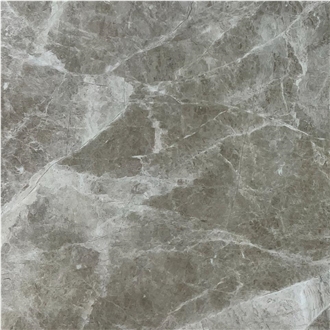
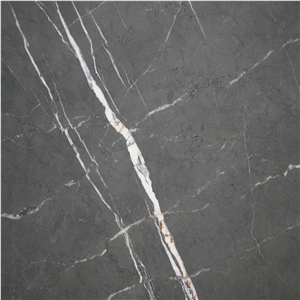
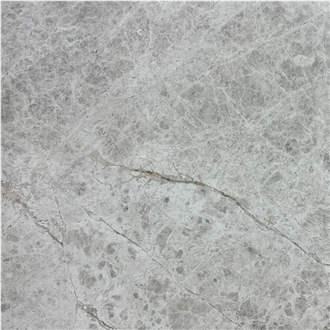
Ruivina Claro Marble is a classic and elegant natural stone renowned for its clean, white background and dramatic, fluid veining. Quarried in Portugal, particularly in Ruivina, São Tiago de Rio de Moinhos, Vila Vicosa, Estremoz, Evora, this marble features interconnected patterns reminiscent of delicate ink strokes or abstract calligraphy.
Physical and Mechanical Properties:
- Water Absorption: 0.05% by weight
- Density: 2715 kg/m³
- Flexural Strength: 26.50 MPa
- Compressive Strength: 91.23 - 93.00 MPa
- Hardness: Medium (Mohs scale not specified, but generally around 3-4 for marble)
- Porosity: Low, contributing to its durability and reduced water absorption
- Slip Resistance: Generally moderate; performance can vary based on surface finish
Chemical and Mineral Compositions (% by weight):
- Calcium Carbonate (CaCO3): Predominantly over 90%, as with most marbles
- Minor components:Quartz, Mica
- Trace minerals: May include clay minerals and iron oxides influencing color variations
Usage:
Ruivina Claro Marble is versatile and commonly used for:
- Interior Flooring: Due to its polished finish and elegance
- Wall Cladding: Adds luxurious aesthetics to spaces
- Countertops and Vanities: Where the veining offers a striking visual impact
- Staircases and Fireplaces: Ideal for creating grand interior features
- Decorative Items: Such as tables and sculptures
Maintenance:
- Regular Cleaning: Use a pH-neutral cleaner to avoid etching from acidic or basic substances
- Sealing: Recommended to preserve its appearance and reduce staining
- Polishing: May be required periodically to maintain its shine and luster
Cutting Sizes (cm):
- Tiles: Common sizes include 30x30, 60x30, 60x60
- Slabs: Typically available in sizes up to 280x160, with thicknesses varying from 2 to 3 cm
Surface Finish Options:
- Polished: Enhances the marble’s color and veining, making it highly reflective
- Honed: Offers a smooth but matte finish, reducing reflectivity
- Brushed: Adds texture while maintaining some shine
- Tumbled or Antiqued: Gives a weathered, rustic appearance
- Sandblasted: For a rougher texture, increasing slip resistance
In summary, Ruivina Claro Marble is an ideal choice for those seeking a blend of classic elegance and modern sophistication, enhanced by its striking veining and versatility in design applications.
FAQ
Portugals Ruivina Claro Marble can be used for exterior applications in windy climates, but it is important to consider some factors.
First, Ruivina Claro Marble is a natural stone and therefore porous. It may absorb moisture and become susceptible to cracking or staining if exposed to extreme and constant winds.
Additionally, the windy climate might carry dust, debris, or other abrasive particles that can impact the marbles surface over time. Regular cleaning and maintenance may be required to prevent any damage or discoloration.
To enhance the marbles durability and resistance in windy climates, it is advisable to apply a specialized sealant suitable for exterior use. The sealant will provide an additional layer of protection, helping to prevent water absorption and making the marble more resistant to wind, weather, and potential staining.
It is essential to consult with a professional stone supplier or installation specialist who has experience working with Ruivina Claro Marble and can provide more specific advice tailored to your particular climate conditions and installation requirements.
Can Portugal's Ruivina Claro Marble be used in a dining room?
Yes, Portugals Ruivina Claro Marble can be used in a dining room. Marble is a popular choice for dining rooms due to its durability, elegant appearance, and heat-resistant properties. Ruivina Claro Marble, in particular, is known for its light beige color with subtle gold and grey veining, making it a versatile option that can complement various dining room decor styles. Additionally, marble is relatively easy to clean and maintain, making it suitable for use in dining rooms where spills and food stains are common.
What is the average compressive strength of Portugal's Ruivina Claro Marble?
The specific compressive strength of Portugals Ruivina Claro Marble may vary depending on the specific quarry and extraction location. However, on average, Ruivina Claro Marble has a compressive strength of approximately 80 to 100 megapascals (MPa).
What grade is Portugal's Ruivina Claro Marble?
The Ruivina Claro Marble from Portugal is typically considered a high-grade marble.
Can Portugal's Ruivina Claro Marble be used in floor coverings?
Yes, Portugals Ruivina Claro Marble can be used in floor coverings. Ruivina Claro Marble is known for its durability, beauty, and versatility, making it a popular choice for flooring applications. Its light beige and creamy tones with subtle veining can add an elegant and sophisticated touch to any space. However, as with any natural stone product, it is important to properly seal and maintain the marble to ensure its longevity and prevent staining or damage.
How thick is Portugal's Ruivina Claro Marble slabs?
I do not have access to current information or specific details on the thickness of Portugals Ruivina Claro Marble slabs. However, as per general industry standards, marble slabs can range from 1.5 to 3 cm in thickness depending on the source and intended use.
Are there color variations of Portugal's Ruivina Claro Marble?
I am not able to browse the internet and I do not have access to up-to-date information on the matter. However, based on my existing knowledge, Portugals Ruivina Claro Marble is known for its white to light beige color, with some greyish or golden veins running through it. It is considered a homogenous marble, meaning that it has a consistent color pattern throughout the entire slab. It is possible that there may be some minor variations in the intensity of the colors within each slab or between different blocks, but these differences are typically minimal. That being said, it is always best to consult with a reputable stone supplier or manufacturer for more specific information on color variations of a particular marble type.
What is the coefficient of friction of Chiseled Portugal's Ruivina Claro Marble tiles?
I do not have access to specific details about the coefficient of friction of Chiseled Portugals Ruivina Claro Marble tiles. Please refer to the manufacturer or suppliers technical specifications or consult a certified expert in the field for accurate information.
Can Portugal's Ruivina Claro Marble be used indoors?
Yes, Portugals Ruivina Claro Marble can be used indoors. It is commonly known as a high-quality and durable marble, making it an excellent choice for countertops, flooring, walls, and other indoor applications. Its unique coloration and patterns add an elegant and sophisticated look to any interior design.
Is Portugal's Ruivina Claro Marble an expensive stone?
I dont have access to real-time pricing information, but generally speaking, Ruivina Claro Marble is considered a luxury stone and is often more expensive than other types of marble due to its distinctive color and quality. The cost may vary based on factors such as the size of the slab, the location of the quarry, and the demand for the stone in the market.