Post Your Needs

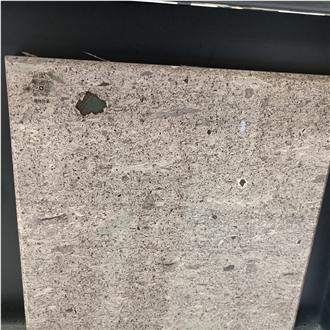
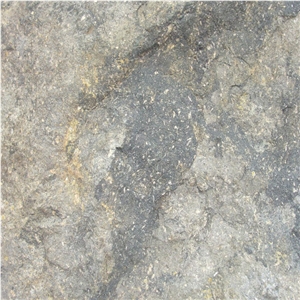
Sahara Purple Andesite

Andesite

China

About

Item Details

Material Type:
Andesite
Origin:
China (Tiantai County, Shaoxing, Zhejiang Province)
Recommended Usage:
Monuments, building stone, ornamental stone, stairs, interior, exterior wall and floor applications, mosaic, wall panels, reliefs, window sills, balustrades, columns, wall and pool copings, pool pavers, sculptures, fireplaces, cobbles, pavers, curbstone
Additional Names:
Sahara Bordeaux Andesite, in China Stone Market:撒哈拉紫(Sāhālā zǐ), Sahara Purple Andesite
Finished Surface:
Polished,Flamed,Bush Hammered,Tumbled,Brushed,Honed,Split,Machine Cut,Natural Surface,Sandblasted,Acid Washing,Combed,Leathered,Water Jet,Filled,Chiseled,Pickling

Testing

Water Absorption:
0.45 – 0.80% by weight
Density:
2650 – 2780 Kg/m³
Flexural Strength:
12 – 18 MPa
Compressive Strength:
150 – 210 MPa

Description

Sahara Purple Andesite – Technical and Aesthetic Overview

Quarried in Tiantai County, Shaoxing, Zhejiang Province, China

General Description

Sahara Purple Andesite is a fine to medium-grained, typically aphanitic volcanic stone with occasional porphyritic textures (larger crystals like feldspar or amphibole embedded in a finer-grained groundmass), especially when formed at greater depths with slower cooling. This andesite is characterized by a distinctive, earthy-toned color palette blending:

  • Smoky purple
  • Pale rose
  • Earthy gray

Its natural color variation and consistent textural flow make it suitable for both contemporary and traditional architecture, especially in cladding, paving, and landscaping applications.

Appearance 

  • Color : Smoky purples, pale rose pinks, and earthy warm grays
  • Texture : Mostly aphanitic (fine-grained), may feature porphyritic inclusions
  • Pattern : Subtle and cloudy natural textures with no pronounced veining or contrast
  • Grain : Fine to medium
  • Natural Surface : Slightly rough or rugged depending on the cut – ideal for slip resistance

Physical and Mechanical Properties

(Typical tested results, may vary slightly per batch/quarry section)

  • Density : ~2.65 – 2.78 g/cm³
  • Water Absorption : ~0.45 – 0.80% by weight
  • Porosity : ~0.6 – 1.2%
  • Compressive Strength : 150 – 210 MPa
  • Flexural Strength : 12 – 18 MPa
  • Abrasion Resistance : ≤ 18 mm (high resistance)
  • Mohs Hardness : ~6 – 7
  • Slip Resistance (Natural) : ≥ 60 BPN (Dry); ≥ 35 BPN (Wet)

Chemical Composition (% by weight)

(Typical for andesite from the region)

  • SiO₂ (Silicon Dioxide) : 55 – 63%
  • Al₂O₃ (Aluminum Oxide) : 15 – 18%
  • Fe₂O₃ (Iron Oxide) : 4 – 6%
  • CaO (Calcium Oxide) : 5 – 7%
  • MgO (Magnesium Oxide) : 1 – 3%
  • Na₂O + K₂O (Alkali Oxides) : 3 – 6%
  • TiO₂ (Titanium Dioxide) : ~1%
  • Loss on Ignition (LOI) : <1%

Mineral Composition

  • Plagioclase : 40 – 60%
  • Amphibole (hornblende) : 10 – 20%
  • Pyroxene : 10 – 15%
  • Biotite : 5 – 10%
  • Quartz (trace) : 2 – 5%
  • Opaque minerals : <2%

Available Finishes

  • Natural Split : Rugged, ideal for exterior wall cladding
  • Honed : Smooth, matte; suitable for interior floors
  • Polished : Rare; highlights color but may reduce slip resistance
  • Flamed : Thermal finish, rough anti-slip surface
  • Bush-hammered : Pitted surface for high grip areas
  • Sandblasted : Subtle texture, soft color tone
  • Brushed : Aged, soft-to-touch surface
  • Tumbled : Weathered look for rustic projects

Standard Cutting Sizes (cm)

Tiles:

  • 30 × 30
  • 30 × 60
  • 40 × 40
  • 60 × 60
  • 60 × 120

Custom paving:

  • 20 × 10, 10 × 10, 40 × 80, etc.

Slabs:

  • 2cm and 3cm thickness, up to 240 × 120 cm (for premium selections)

Cubes/Curb/Steps:

  • Custom dimensions per design needs

Applications

  • Exterior wall cladding (natural, flamed)
  • Paving (driveways, plazas, walkways)
  • Landscaping (stepping stones, edging, fountains)
  • Architectural elements (columns, benches, coping)
  • Facade systems
  • Interior flooring (honed, brushed)

Maintenance

Low maintenance, naturally dense and less porous than many other volcanic rocks. Recommended sealing for polished or honed interior surfaces. Periodic cleaning with pH-neutral cleaner. High slip resistance surfaces need only pressure washing in exterior uses.

Summary

Sahara Purple Andesite offers a harmonious blend of natural color tones, durability, and versatility. Its technical strength and variety of finishes make it highly adaptable to both public urban applications and luxury residential or resort projects, particularly those requiring understated elegance with strong technical performance.

FAQ

Is 2cm Sahara Purple Andesite good for stairs?

Using 2cm Sahara Purple Andesite for stairs can be a good choice, but there are several considerations to keep in mind: 1. **Durability**: Andesite is generally a durable and hard material, suitable for high-traffic areas like stairs. It can withstand wear and tear, which is important for surfaces that will see frequent use. 2. **Thickness**: A 2 cm (approximately 0.8 inches) thickness is typically sufficient for residential stair treads and risers. However, make sure that the supporting structure is adequate to handle the weight and ensure stability. 3. **Finish**: Consider the finish of the stone for stair use. A polished finish might be slippery, especially if wet, whereas a honed or textured finish could provide better traction. 4. **Aesthetics**: The unique Sahara Purple color could add an attractive and distinctive element to your staircase, enhancing the overall design of your space. 5. **Installation**: Proper installation is crucial for safety and longevity. Make sure to use a qualified professional familiar with stone installation, as incorrect installation can lead to issues over time. 6. **Maintenance**: Consider the maintenance requirements of the stone. While andesite is relatively low maintenance, it may require periodic sealing to prevent staining and to maintain its appearance over time. 7. **Cost**: Assess whether it fits within your budget, including material cost and installation expenses. If these considerations align with your needs and preferences, 2cm Sahara Purple Andesite could be a suitable choice for your stairs.

Does Sahara Purple Andesite allow water to pass through?

Sahara Purple Andesite, like most andesitic rocks, is typically not very permeable in its natural, unaltered state. Andesites are generally dense igneous rocks with fine to medium-grained textures, which do not allow water to pass through easily. The permeability of a rock depends on its porosity and the connectivity of its pore spaces. However, if the rock is fractured or weathered, its permeability may increase, allowing water to pass through more readily but not as efficiently as more porous materials like sand or gravel. If you are considering using Sahara Purple Andesite for applications where drainage or water passage is important, it might be necessary to evaluate its specific permeability properties or consider alternative materials designed for high permeability.

Is Sahara Purple Andesite good for a headstone?

Sahara Purple Andesite could be a good choice for a headstone, depending on certain factors. Here are some considerations: 1. **Durability**: Andesite is generally a durable and hard stone, which makes it capable of withstanding weather and environmental conditions for many years, a critical factor for headstones. 2. **Appearance**: The purple hue of Sahara Purple Andesite can offer a unique and beautiful aesthetic, which might appeal to those looking for a distinctive and personal touch to the headstone. 3. **Workability**: Being a type of igneous rock, andesite can be more challenging to carve compared to softer stones like marble. However, experienced stonemasons should be able to work with it effectively. 4. **Cost**: The price may vary based on the availability and size of the stone required, as well as local market conditions. It might be more expensive compared to more common materials. 5. **Local Regulations**: Some cemeteries have specific regulations about the types of materials that can be used for headstones. It is advisable to check with the cemetery before proceeding. In summary, if the aesthetic and durability align with your needs and all practical considerations are satisfied, Sahara Purple Andesite could be a suitable choice for a headstone.

What percentage of water does Sahara Purple Andesite absorb?

The Sahara Purple Andesite is a type of natural stone, and its water absorption rate can vary depending on its specific properties. Typically, natural stones like andesite have a water absorption rate ranging from about 0.1% to 1%. However, for precise characteristics of Sahara Purple Andesite, you would need to refer to technical specifications provided by the supplier or conduct a laboratory test, as the absorption rate could differ based on quarry origin and processing.

Is bleach ok to use on Sahara Purple Andesite tiles?

Using bleach on Sahara Purple Andesite tiles is generally not recommended. Andesite is a natural stone, and bleach can be too harsh, potentially causing discoloration or damage to the surface. Instead, it is better to use a pH-neutral cleaner specifically designed for natural stone to ensure the tiles are cleaned effectively without any risk of damage. Always test any cleaning product on a small, inconspicuous area first to make sure it doesnt harm the tiles. Additionally, regularly sealing the tiles can help protect them from stains and other forms of damage.

Are honed Sahara Purple Andesite floor tiles easily stained?

Honed Sahara Purple Andesite floor tiles are generally less porous than unpolished natural stone, which can make them more resistant to staining. However, they are not completely impervious to stains. To minimize the risk of staining, it is important to seal the tiles properly after installation and reseal them periodically as recommended by the manufacturer or your installer. Additionally, promptly cleaning up spills, especially those from acidic or strongly colored substances, and using pH-neutral cleaners designed for natural stone can help maintain the appearance of your tiles. Regular maintenance and care can greatly enhance their resistance to stains.

What is the best way to clean Sahara Purple Andesite floor tiles?

Cleaning Sahara Purple Andesite floor tiles requires a careful approach to maintain their natural beauty and integrity. Here’s a step-by-step guide to cleaning these tiles: 1. **Regular Sweeping or Vacuuming**: Frequently sweep or vacuum with a soft brush attachment to remove dirt and debris that could scratch the surface. 2. **Warm Water and Mild Detergent**: Mix warm water with a pH-neutral detergent or mild soap. Avoid acidic or abrasive cleaners that can damage the stone. 3. **Soft Mop or Cloth**: Use a soft mop or cloth to apply the cleaning solution. Avoid using rough materials like scouring pads. 4. **Rinse Thoroughly**: After mopping, rinse the floor thoroughly with clean water to remove any residue from the soap or cleaning solution. 5. **Dry Completely**: Use a dry, soft cloth or a mop to ensure no water is left standing on the surface, as water spots can sometimes form on stone surfaces. 6. **Stain Removal**: For stains, gently scrub the area with a soft brush using the same cleaning solution. You can also use a specially formulated stone cleaner for tougher stains. 7. **Sealant Maintenance**: If your andesite tiles are sealed, check if the sealant needs to be reapplied to protect the surface. Typically, sealants should be reapplied every 1-3 years, depending on wear. 8. **Avoid Harsh Chemicals**: Steer clear of acidic substances like vinegar or lemon juice, and avoid bleach or ammonia, which can etch the andesite. 9. **Preventive Care**: Use mats or rugs in high-traffic areas to protect the tiles, and quickly clean up spills to prevent staining. By following these steps, you can keep your Sahara Purple Andesite floor tiles in excellent condition.

Is sandblasted Sahara Purple Andesite paving tiles slippery when wet?

Sandblasted Sahara Purple Andesite paving tiles are generally less slippery than polished or smooth tiles due to the sandblasting process, which creates a textured surface. This texture helps to improve traction, making them safer to walk on when wet. However, the degree of slipperiness can still vary depending on factors such as the specific finish of the tiles, the angle of installation, and the presence of contaminants like algae or moss. Its always a good idea to test the tiles in your specific environment to ensure they meet your safety requirements, especially in areas prone to getting wet.

How to split Sahara Purple Andesite patio pavers?

Splitting Sahara Purple Andesite or any type of patio paver requires the right tools and techniques. Here’s a step-by-step guide to break them effectively: ### Tools Needed 1. **Safety Gear**: Wear safety goggles, gloves, and knee pads to protect yourself from flying debris and for comfort while working. 2. **Measuring Tape and Chalk**: To measure and mark the cut lines. 3. **Masonry Saw or Angle Grinder**: Equipped with a diamond blade for precise cuts. 4. **Masons Chisel and Mallet**: For more traditional or rough splitting. 5. **Paving Stone Splitter**: An optional tool that can provide cleaner splits without using a saw. 6. **Straight Edge or Square**: For guiding the cut line. ### Steps 1. **Prepare the Area**: Ensure the area is clean and free of all debris. Set up a stable work surface, preferably on grass or dirt to avoid additional cracking from impact on hard surfaces. 2. **Measure and Mark**: Use the measuring tape and chalk to mark the cut line on the paver. Double-check your measurements to ensure accuracy. 3. **Score the Paver**: - If using a **Chisel and Mallet**, position the chisel on the marked line and tap it gently with the mallet to create a score. Continue scoring along the line until the paver is sufficiently weakened. - For a **Saw or Angle Grinder**, follow the marked line with the saw, cutting a shallow groove to outline the area you’re splitting. 4. **Splitting the Paver**: - With the **Chisel and Mallet**, place the chisel in the groove and strike it firmly with the mallet. Work along the line with repetitive strikes until the paver splits. - If using a **Paving Stone Splitter**, position the paver in the splitter ensuring the blade aligns with your marks. Apply pressure slowly to split the paver in half. - Using a **Masonry Saw**, simply cut through the paver along your marked line until it splits. 5. **Finishing**: After splitting, check the edges. You may need to use the chisel to remove any rough or unwanted protrusions for a cleaner edge. ### Tips - Always handle the tools with care and follow manufacturer instructions, especially when using motorized equipment. - If possible, practice on a scrap piece of paver to get a feel for the tool and technique. - Work slowly to prevent mistakes and ensure your safety. This guide should help you effectively split your Sahara Purple Andesite patio pavers to fit your design needs.

Products & Prices

Hot Andesite

New Andesite

Post Your Request

The request includes:
  1. surface finished, size
  2. quantity required