Post Your Needs

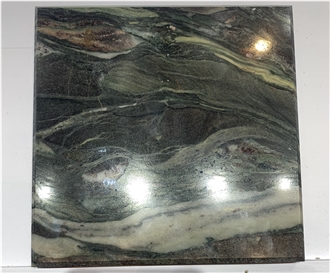
Saijo Green Marble

Marble

China

About

Item Details

Material Type:
Marble
Origin:
China
Recommended Usage:
Kitchen and bathroom countertops, wash basins, building stone, ornamental stone, stairs, interior, exterior wall and floor applications, mosaic, waterjet pattern, wall panels, table tops, balustrades, columns, wall and pool copings, pool pavers, fireplaces, window sills
Additional Names:
Four Seasons Green Marble, Chinese Four Seasons Marble, in China stone market:四季绿(Sìjì Lǜ), Saijo Green Marble
Finished Surface:
Polished,Bush Hammered,Tumbled,Brushed,Honed,Split,Machine Cut,Natural Surface,Sandblasted,Acid Washing,Combed,Leathered,Water Jet,Filled,Chiseled,Pickling

Testing

Water Absorption:
0.20 - 0.35 %
Density:
2650 - 2750 kg/m³
Flexural Strength:
13 - 18 MPa
Compressive Strength:
115 - 150 MPa

Description

Saijo Green Marble is a striking natural stone featuring a deep, rich green base with subtle variations in tone, ranging from dark emerald to softer, muted green shades. Flowing across the surface are natural veins and streaks in lighter hues, including white, beige, and hints of brown. These dynamic patterns create a visual effect reminiscent of natural landscapes, forest textures, or the changing colors of the seasons, making Saijo Green Marble a distinctive and artistic choice for refined interior spaces.

Texture & Pattern

Texture: Fine to medium crystalline structure

Surface Feel: Smooth and compact with natural density

Pattern:

  • Deep green base with tonal variations
  • Flowing white, beige, and light brown veining
  • Moderate to high natural movement

Variation: Each slab features unique veining and color distribution

Physical & Mechanical Properties (Test Results)

  • Density (Unit Volume Mass): 2,650–2,750 kg/m³
  • Water Absorption: 0.20–0.35 %
  • Compressive Strength (Dry): 115–150 MPa
  • Compressive Strength (After Freezing): 100–130 MPa
  • Flexural Strength: 13–18 MPa
  • Abrasion Resistance: Moderate
  • Impact Resistance: Good
  • Thermal Expansion Coefficient: ~4.2 × 10⁻⁵ /°C
  • Mohs Hardness: 3–4

* Values may slightly vary depending on quarry block and testing standards.

Chemical Composition (% by Weight)

  • Calcium Carbonate (CaCO₃): 88–94%
  • Magnesium Carbonate (MgCO₃): 1–4%
  • Silicon Dioxide (SiO₂): 1–3%
  • Iron Oxide (Fe₂O₃): 0.5–2%
  • Other trace minerals: ≤1%

* The green coloration is typically influenced by mineral inclusions such as chlorite, serpentine, or other silicate minerals.

Mineralogical Composition (% by Weight)

  • Calcite: 85–92%
  • Dolomite: 2–5%
  • Quartz: 1–3%
  • Chlorite / Serpentine / Accessory minerals: 2–4%

Applications

Saijo Green Marble is ideal for:

  • Interior flooring
  • Wall cladding and feature walls
  • Bathroom vanities
  • Countertops (low to moderate use areas)
  • Fireplace surrounds
  • Decorative panels and artistic installations

* Best suited for interior applications. Exterior use is possible with proper sealing and climate consideration.

Maintenance

  • Use pH-neutral, non-acidic stone cleaners
  • Avoid vinegar, lemon, or harsh chemical products
  • Seal periodically to maintain stain resistance
  • Clean spills immediately, especially oils and colored liquids
  • Use protective pads under heavy objects

FAQ

Which Saijo Green Marble thickness is best for residential stair treads?

When selecting the thickness of Saijo Green Marble for residential stair treads, its important to consider both aesthetic and structural factors. Generally, stair treads in residential settings are typically cut to a thickness of around 1 ? inches (approximately 3 centimeters). This thickness provides a good balance between strength, durability, and aesthetics. 1. **Durability and Support**: A thickness of 1 ? inches is usually sufficient to support the weight and traffic typical of residential stairs while also providing a sturdy and robust look. 2. **Aesthetic Considerations**: Thicker marble can give a more substantial, high-end appearance, which can be desirable in home designs that emphasize luxury. 3. **Installation Flexibility**: This standard thickness allows for easier installation and fitting on standard stair structures, aligning well with common residential building practices. While 1 ? inches is typical, preferences might vary based on specific design requirements or personal taste. In some cases, custom designs might involve thicker cuts, but this can add to the cost and weight of the installation. Always consult with your contractor or a structural engineer to ensure that your choice meets both safety standards and your aesthetic goals.

Is 18 mm Saijo Green Marble good for a commercial bathroom top?

Using 18 mm Saijo Green Marble for a commercial bathroom countertop can be a good choice, but there are a few factors to consider: 1. **Aesthetics**: Saijo Green Marble is visually striking, and its unique patterns and colors can enhance the overall look of a commercial bathroom, giving it a luxurious feel. 2. **Durability**: Marble is a relatively soft natural stone compared to granite or quartz, and it is more susceptible to scratching and etching, especially in high-use areas like commercial bathrooms. If the bathroom experiences heavy traffic, consider whether the durability of marble suits that environment. 3. **Maintenance**: Marble requires regular sealing to prevent staining from water, soap, and other bathroom products. Additionally, it needs to be cleaned with pH-neutral cleaners to avoid damage or discoloration. 4. **Cost**: Natural stone can be more expensive than other countertop materials, and marble is no exception. Its important to balance the aesthetic appeal with budget considerations. 5. **Thickness**: An 18 mm thickness for a marble countertop is adequate, but ensure that the supporting structure is robust enough to handle the weight, especially in a commercial setting, where durability is essential. If aesthetics are a priority and the budget allows for it, along with a commitment to regular maintenance, Saijo Green Marble can be a suitable and attractive choice for a commercial bathroom top.

How to sanitize Saijo Green Marble restaurant countertops?

Sanitizing Saijo Green Marble or any marble countertop requires care to avoid damaging the stone while ensuring a hygienic surface. Heres a step-by-step guide: ### Materials Needed: - Mild dish soap or a pH-neutral stone cleaner - Warm water - Soft, non-abrasive cloths or sponges - Microfiber cloth - Distilled water (optional) - Spray bottle (optional) - Soft towel - Isopropyl alcohol (optional) - Marble sealer (optional) ### Steps: 1. **Remove Debris:** - Clear the countertop of any items and gently wipe away loose debris with a soft, dry microfiber cloth. 2. **Prepare Cleaning Solution:** - Mix a small amount of mild dish soap with warm water. Alternatively, you can use a pH-neutral stone cleaner specifically designed for marble. - For easy application, you can transfer the solution into a spray bottle. 3. **Wipe the Countertop:** - Dampen a soft cloth or sponge with the cleaning solution. - Gently wipe the entire surface of the countertop, focusing on areas with spills or stains. Do not scrub too hard, as marble can be scratched. 4. **Rinse the Surface:** - Rinse the cloth or sponge with clean water and wipe the countertop again to remove any soap residue. - If using a spray bottle, spray distilled water onto the surface and wipe it down with a clean cloth to ensure no soap remains. 5. **Disinfect (Optional):** - For additional disinfection, consider using a solution of equal parts water and isopropyl alcohol. Lightly spray or apply it using a clean cloth, then wipe. - Note: Make sure the solution is safe for marble and avoid prolonged contact, as alcohol can dull the finish over time. 6. **Dry Thoroughly:** - Use a clean, dry microfiber cloth to buff the countertop dry. This helps prevent water spots and maintains the stone’s shine. 7. **Seal the Marble (Optional):** - If your marble countertops are not sealed or if its time to reseal, consider applying a marble sealer following the products instructions. This will help protect the surface and make it easier to clean in the future. ### Tips to Protect Marble Countertops: - Wipe up spills immediately to prevent staining, especially with acidic substances (like lemon juice or vinegar). - Avoid using abrasive cleaners, scouring pads, or acidic cleaning products, as these can etch or scratch the marble. - Use cutting boards, trivets, and coasters to limit direct contact with the marble surface. By following these steps, you can maintain the cleanliness and beauty of your Saijo Green Marble countertops.

What does vinegar do to Saijo Green Marble floor tiles?

Vinegar is acidic, and using it on Saijo Green Marble floor tiles—or any marble surface—can be damaging. Marble is a natural stone that contains calcium carbonate, which reacts with acids. When vinegar is applied to marble, it can cause etching, which is a type of surface damage that results in dull spots and may also lead to discoloration or degradation of the marbles finish. To clean marble floors, its advisable to use pH-neutral cleaners specifically designed for stone surfaces. Avoid acidic or abrasive substances, and opt for soft cloths or mops to maintain the marbles appearance and integrity. If damage has already occurred, professional restoration may be necessary to polish and reseal the affected area.

My Saijo Green Marble kitchen countertop has been stained by soy sauce. How can I remove the stain?

Removing a soy sauce stain from a Saijo Green Marble countertop requires a gentle approach to avoid damage. Here’s a step-by-step guide to help you tackle the stain: 1. **Act Quickly:** The sooner you address the stain, the better your chances of complete removal. 2. **Blot the Stain:** Use a soft, absorbent cloth or paper towel to blot up as much of the soy sauce as possible. Do not rub, as this can spread the stain or push it deeper into the marble. 3. **Prepare a Cleaning Solution:** Mix a few drops of a mild dish soap with warm water. Avoid harsh cleaners, acidic substances like vinegar, or lemon-based products, as these can etch or dull the marble surface. 4. **Clean the Area:** Dampen a soft cloth or sponge with the soapy water and gently wipe the stain. Rinse the cloth with clean water and wipe the area again to remove any soapy residue. 5. **Use a Poultice for Stubborn Stains:** If the stain persists, you may need to use a poultice. Combine baking soda and water to form a thick paste. Spread this paste over the stain, covering it with plastic wrap and sealing the edges with tape. Let it sit for 24 to 48 hours, allowing it to dry and draw out the stain. 6. **Remove the Poultice:** Carefully remove the plastic wrap and scrape off the dried paste with a plastic spatula or credit card. Wipe the area with a damp cloth to remove any residue. 7. **Rinse and Dry:** Finally, rinse the area with clean water and dry it with a soft towel to prevent water spots. 8. **Seal the Marble:** If your marble countertop is not sealed or the seal has worn off, consider resealing it to protect against future stains. If the stain is still visible after following these steps, you may need to consult a professional stone cleaner or restoration specialist for further assistance.

Is Saijo Green Marble heat resistant? Is it suitable for use in fireplaces?

Saijo Green Marble is a natural stone known for its aesthetic appeal, featuring a unique green color with distinctive veining. When it comes to heat resistance, marble in general has the ability to withstand relatively high temperatures, which makes it usable in a variety of settings. However, its essential to consider a few factors before using Saijo Green Marble specifically for fireplaces: 1. **Heat Resistance**: Marble can resist heat, but it is not as heat-resistant as other materials like granite or engineered stone. Extended exposure to high temperatures or rapid temperature changes can cause damage such as discoloration or cracking. 2. **Thermal Conductivity**: Marble conducts heat, which means that it can become quite hot to the touch when exposed to direct heat. This can be a safety consideration in a fireplace setting. 3. **Sealing**: Marble is relatively porous, so it should be properly sealed to prevent any damage from soot, smoke, or potential staining from accidental spills. 4. **Maintenance**: Marble requires regular maintenance to keep its finish looking good, especially in high-use areas like fireplaces. 5. **Aesthetic and Style**: While Saijo Green Marble can create a striking appearance, its essential to ensure it complements the overall design and functionality required from your fireplace. For these reasons, while Saijo Green Marble can technically be used in fireplaces, it might not be the optimal choice if the primary concern is durability and low maintenance. If aesthetics are a priority and the fireplace is primarily decorative, it could be suitable. Consulting with a professional installer or a stone specialist would provide more tailored advice based on specific project requirements.

If lemonade spills on a Saijo Green Marble kitchen countertop, will it damage the surface?

Saijo Green Marble is a natural stone, and like many types of marble, it tends to be susceptible to etching and staining from acidic substances. Lemonade, being acidic due to its lemon content, can potentially damage the surface of marble countertops. When lemonade spills on a marble countertop, it can cause etching, which is a dulling or lightening of the surface. If the spill is not cleaned up promptly, the citric acid can react with the calcium carbonate in the marble, leading to these marks or a loss of polish over time. To prevent damage, it is important to wipe up spills immediately with a soft cloth or paper towel. After cleaning, you may also want to rinse the area with a little water and dry it to ensure all the acid is removed. Additionally, using a high-quality sealant on your marble countertops can provide some protection against acidic substances, but it is still best to clean spills immediately to minimize any potential damage.

Can I use bleach when cleaning a Saijo Green Marble kitchen countertop?

It is not recommended to use bleach or any acidic or abrasive cleaners on Saijo Green Marble or any natural marble surfaces. Marble is a calcium carbonate-based stone that can react negatively to acids and harsh chemicals, causing etching, dullness, or discoloration. Instead, clean the countertop with a pH-neutral cleaner or a mild dish soap diluted in water. Always use a soft cloth or sponge to avoid scratching the surface. Additionally, consider sealing the marble periodically to protect it from stains and etching.

If I cut meat directly on my Saijo Green Marble kitchen countertop, will it damage the surface?

Cutting meat directly on your Saijo Green Marble kitchen countertop is not recommended. Marble is a relatively soft and porous stone, making it susceptible to scratches, etching, and staining. Using a knife directly on the surface can cause visible scratches and damage over time. Additionally, any acidic substances present in the meat or juices can potentially stain or etch the marble. To protect your countertop, its best to use a cutting board whenever youre preparing food.

Can Saijo Green Marble be used for kitchen countertop?

Yes, Saijo Green Marble can be used for a kitchen countertop if you are looking for a distinctive and elegant appearance. However, there are a few considerations to keep in mind: 1. **Porosity**: Marble, including Saijo Green Marble, is more porous than materials like granite or quartz. This means it can be more prone to staining, especially from acidic substances like lemon juice, vinegar, or tomato sauce. Regular sealing can help mitigate this issue. 2. **Durability**: Marble is softer than some other natural stones, which can make it more susceptible to scratching and etching. Using cutting boards and trivets can help protect the surface. 3. **Maintenance**: To maintain its beauty, marble countertops require regular maintenance, including resealing and careful cleaning using pH-neutral cleaners. 4. **Aesthetic Consideration**: Saijo Green Marble offers a unique and luxurious look with its rich green color and veining. It can make a strong statement in kitchen design. If you are prepared to handle the maintenance and potential wear issues, Saijo Green Marble can be a beautiful choice for a kitchen countertop.

Products & Prices

Hot Marble

New Marble

Post Your Request

The request includes:
  1. surface finished, size
  2. quantity required