Post Your Needs

Salt White Marble

White - Marble

Viet Nam

About

Item Details

Material Type:
Marble
Origin:
Viet Nam (Nghệ An)
Primary Color(s):
White
Recommended Usage:
Kitchen and bathroom countertops, monuments, building stone, ornamental stone, stairs, interior, exterior wall and floor applications, mosaic, waterjet pattern, balustrades, fireplaces surround, columns, wall panels, table tops
Additional Names:
Crystal White Marble, Absolute White Marble, Nghe An White Marble, Milk White Marble, Crystal White Viet Nam Marble, Pure White Marble, Crystal White Marble, Polar White Marble, Salt White Marble
Finished Surface:
Polished,Bush Hammered,Tumbled,Brushed,Honed,Split,Machine Cut,Natural Surface,Sandblasted,Combed,Water Jet,Filled,Chiseled,Pickling

Testing

Water Absorption:
0.18 %
Density:
2780 kg/m3
Compressive Strength:
43.4 MPa

Description

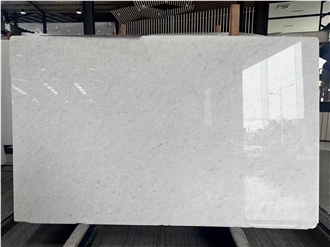
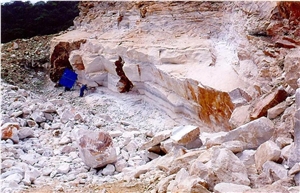
Salt White Marble is a stunning and pristine natural stone celebrated for its pure white appearance and crystalline texture. Quarried in Nghe An, a province in Vietnam, this marble variety is characterized by its impeccable white coloration and the distinct crystal formations that embellish its surface.

The most prominent feature of Salt White Marble is its pure white color. This crisp and immaculate white hue evokes a sense of purity, elegance, and timelessness. The white background serves as a blank canvas that can enhance various design styles, from minimalist modern aesthetics to more intricate and ornate designs.

The crystalline texture of Salt White Marble is a hallmark of its visual appeal. The surface of the stone is adorned with delicate crystal formations, often referred to as crystallization or crystalline patterns. These crystals create a subtle shimmering effect, especially when light interacts with the stone's surface. The play of light on the crystals adds an ethereal touch to the marble, making it appear as though it has been adorned with a natural sparkle.

Salt White Marble's pure white color and crystalline texture make it a favored choice for a variety of architectural and design applications. It is commonly used for flooring, wall cladding, countertops, and decorative accents. Its ability to create a sense of openness, brightness, and sophistication makes it a versatile option for both residential and commercial projects.

The marble's association with the Nghe An region in Vietnam lends it a sense of authenticity and regional character. Its unique beauty and crystalline texture are a testament to the geological history of the area. This connection to its place of origin adds to the stone's value and the story it can tell within a design.

In summary, Salt White Marble's pure white color and crystalline texture create a visually stunning and elegant appearance. Quarried in Nghe An, this marble variety exemplifies the beauty of natural stone and its ability to transform spaces into luminous and sophisticated environments.

FAQ

Does Salt White Marble countertop stain easily?

Yes, Salt White Marble is a porous material and can stain easily if not properly sealed and maintained. It is important to clean up spills immediately and regularly seal the countertop to prevent stains from penetrating the surface.

Is glossy polished Salt White Marble good for floors?

Yes, glossy polished Salt White Marble can be a good choice for floors. It is a durable and elegant material that can add a touch of luxury to any space. The glossy finish can help to brighten up a room and make it feel larger. However, keep in mind that polished marble can be slippery when wet, so it is important to use rugs or mats in areas where water may be present. Additionally, marble is a porous material and can be prone to staining, so it is important to seal it regularly and clean up spills promptly to maintain its appearance.

Will Salt White Marble countertop crack with heat?

Marble countertops are generally heat-resistant, but excessive heat can cause them to crack or become discolored. Placing hot pans or pots directly on the surface of the marble countertop can cause thermal shock, which may result in cracks or damage to the surface. It is advisable to use trivets or hot pads to protect your marble countertop from excessive heat. Additionally, sealing your marble countertop regularly can help prevent damage from heat and other factors.

How thick should a Salt White Marble stair step be?

A Salt White Marble stair step typically ranges from 1 ? inches to 2 inches in thickness. However, the exact thickness may vary depending on the specific design and aesthetic preferences of the project. It is recommended to consult with a professional stone fabricator or designer to determine the most suitable thickness for the Salt White Marble stair step.

Is vinegar ok to use on Salt White Marble countertop?

It is not recommended to use vinegar on a salt white marble countertop as it can cause etching and damage to the surface. It is best to use a mild soap or stone cleaner specifically designed for marble countertops to clean and maintain their appearance.

Why not to use marble for kitchen countertops?

While marble is undeniably beautiful and elegant, there are several reasons why it may not be the most practical choice for kitchen countertops: 1. Porosity: Marble is a porous natural stone, which means it has small pores and can absorb liquids and stains. It is particularly vulnerable to acidic substances like lemon juice, vinegar, or red wine, which can etch or stain the surface permanently. 2. Scratching and etching: Marble is relatively soft compared to other countertop materials like granite or quartz. It can scratch easily, especially when in contact with sharp objects or abrasive materials. Additionally, acidic ingredients and cleaning products can cause etching, leaving dull marks on the surface. 3. Maintenance: Marble requires regular maintenance to keep its shine intact. It needs to be sealed regularly to protect against stains and etching. If not properly cared for, marble countertops can lose their luster and develop a patina over time. 4. Durability: Marble is less durable than materials like granite or quartz, and it is more prone to chipping and cracking. It is also sensitive to heat, meaning that placing hot pots or pans directly on the surface can cause damage. 5. Cost: Marble tends to be more expensive than other countertop options. Its rarity and craftsmanship contribute to a higher price tag, making it less budget-friendly for many homeowners. Ultimately, whether or not to use marble for kitchen countertops depends on individual preferences and priorities. While it offers timeless beauty, it may not be the best choice for those seeking a low-maintenance, durable, and stain-resistant countertop material.

Can Viet Nam's Salt White Marble be used exterior applications in very dusty climates?

Viet Nams Salt White Marble can be used for exterior applications in very dusty climates, but it may require extra care and maintenance. Here are a few considerations: 1. Dust accumulation: In dusty climates, there is a higher chance of dust settling on the marble surface. This may require regular cleaning to maintain its appearance. 2. Stain resistance: Ensure that the Salt White Marble has a protective sealer to resist stains from environmental factors like dust, dirt, or other contaminants. 3. Regular maintenance: Regularly clean the marble with suitable cleaning agents and avoid using abrasive materials that may scratch the surface. 4. Weathering: Exposure to extreme weather conditions like heat, rain, and dust can gradually affect the appearance of the marble over time. Regular inspections and preventive maintenance can help maintain its longevity. Its important to consult with a professional stone supplier or installer who can provide specific guidance based on the unique conditions of your location.

Can Viet Nam's Salt White Marble be used in landscaping?

Yes, Vietnams Salt White Marble can be used in landscaping. It is a popular choice for outdoor projects such as garden paths, patio flooring, pool surrounds, and decorative walls. It adds an elegant and timeless look to outdoor spaces and is known for its durability and resistance to weathering. Additionally, the white color of the marble brightens up the landscape and complements different styles and designs.

Can Viet Nam's Salt White Marble be used outdoors?

Yes, Vietnams Salt White Marble can be used outdoors. It is a durable and weather-resistant natural stone that is commonly used for outdoor applications such as landscaping, garden features, patios, walkways, and pool surroundings. Its natural beauty and resistance to fading make it a popular choice for both residential and commercial outdoor projects. However, it is important to properly seal and maintain the marble to ensure its longevity and prevent staining or damage from harsh weather conditions.

Can Viet Nam's Salt White Marble be used in a office?

Yes, Vietnams Salt White Marble can be used in an office. It is a popular choice for office spaces due to its elegant and sophisticated appearance. The light colored marble can add a sense of brightness and freshness to the office environment, creating a professional and welcoming atmosphere. Additionally, marble is a durable and long-lasting material, making it suitable for high-traffic areas in an office.

Products & Prices

View More

Hot White Marble

New Marble

Post Your Request

The request includes:
  1. surface finished, size
  2. quantity required