Post Your Needs

Salvadori Blue Marble

Marble

Turkey

About

Item Details

Material Type:
Marble
Origin:
Turkey (Ekinözü, Kahramanmaraş)
Recommended Usage:
kitchen and bathroom countertop, wash basins, building stone, ornamental stone, stairs, interior, exterior wall and floor applications, mosaic, water-jet pattern, wall panels, table tops, balustrades, columns, wall and pool copings, pool pavers, sculptures, fireplaces, window sills
Additional Names:
Salvadori Grey Marble, Blue Eye Dark Marble
Finished Surface:
Polished,Bush Hammered,Tumbled,Brushed,Honed,Split,Machine Cut,Natural Surface,Sandblasted,Combed,Leathered,Water Jet,Chiseled,Pickling

Testing

Water Absorption:
0.18 - 0.30 %
Density:
2730 - 2820 kg/m³
Flexural Strength:
13 - 15 MPa
Compressive Strength:
130 - 150 MPa

Description

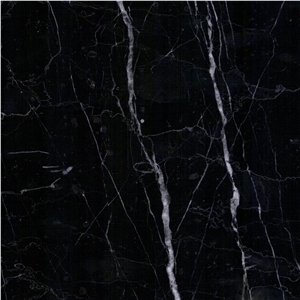
Salvadori Blue Marble is an exotic natural dolomitic marble quarried in Ekinözü, Kahramanmaraş, Türkiye. It is distinguished by its dramatic midnight-blue and grey coloration, with a dynamic appearance that changes subtly according to the intensity and angle of surrounding light.

Its combination of deep blue-grey tones, soft movement, and delicate light-colored mineral features gives the stone an appearance reminiscent of a dark ocean, night sky, or atmospheric landscape. It is particularly suitable for high-end architectural and interior applications where a strong visual statement is desired.

Color & Appearance

  • Base color: Deep midnight blue to blue-grey
  • Secondary colors: Soft grey, charcoal and smoky grey
  • Accents: Subtle white, silver and icy undertones
  • Overall appearance: Dramatic, sophisticated and exotic
  • Movement: Medium to high, depending on the selected block and slab
  • Light response: The apparent color and depth can change noticeably under different lighting conditions

The stone can appear darker and more charcoal-grey under low or diffuse lighting, while stronger directional lighting may reveal deeper blue tones and lighter mineral movement.

Texture

  • Fine to medium crystalline dolomitic marble texture
  • Dense and relatively compact structure
  • Smooth and refined when polished
  • Natural tactile character with honed, brushed or leathered finishes
  • Good polishability

Individual slabs may display different mineral concentrations and movement

Pattern

Salvadori Blue generally exhibits an organic, flowing pattern rather than a repetitive geometric structure. Typical features include:

  • Cloud-like blue-grey formations
  • Flowing smoky-grey movement
  • Irregular darker zones
  • Fine white or icy mineral accents
  • Subtle linear and curved vein structures
  • Natural tonal transitions across the slab

Large slabs and bookmatched installations can emphasize the stone's dramatic movement and create a continuous artistic composition.

Technical & Physical Properties

The exact laboratory values of Salvadori Blue can vary between quarry blocks. The following should be treated as indicative technical ranges rather than certified values unless supported by a current quarry laboratory report.

  • Stone Type: Dolomitic Marble
  • Geological Origin: Ekinözü, Kahramanmaraş, Türkiye
  • Water Absorption: Approx. 0.10–0.50 %
  • Density: Approx. 2,730–2,820 kg/m³
  • Flexural Strength: Approx. 13–15 MPa
  • Compressive Strength: Approx. 130–150 MPa
  • Porosity: Low
  • Durability: High
  • Polishability: Very good
  • Mohs hardness: 3.5–4.5

For project specifications, the supplier's current ASTM/EN laboratory test report should be used as the definitive technical data.

Chemical Composition

The exact chemical composition varies according to the geological composition of each quarry zone. A typical dolomitic marble may contain:

  • Calcium Carbonate (CaCO₃): 45–60 %
  • Magnesium Carbonate (MgCO₃): 35–50 %
  • Silicon Dioxide (SiO₂): 1–5 %
  • Iron OxidesTrace: –2 %
  • Aluminum OxideTrace: –1 %
  • Other Components: Trace

These are indicative ranges for a dolomitic marble and should not be presented as certified Salvadori Blue laboratory composition without an XRF analysis.

Mineral Composition

  • Dolomite: 55–80 %
  • Calcite: 15–40 %
  • Quartz: 1–5 %
  • Mica / Silicate Minerals: Trace–3 %
  • Iron-bearing Minerals: Trace–2 %
  • Other Accessory Minerals: Trace

The relative proportion of dolomite and calcite can vary between individual quarry zones and production blocks.

Applications

Salvadori Blue is particularly suitable for luxury and decorative architectural projects.

Interior Applications:

Luxury flooring, Feature walls, Wall cladding, Hotel interiors, Residential interiors, Fireplace surrounds, Bathroom walls, Vanity tops, Kitchen countertops with appropriate sealing, Bar counters, Reception desks, Decorative panels, Tables and stone furniture, Sculptures, Decorative architectural elements.

Exterior Applications:

Building façades, Exterior wall cladding, Entrance features, Architectural details, Steps and staircases, Selected paving applications, Monumental installations.

Decorative / Specialty Applications:

Bookmatched feature walls, Backlit or illuminated decorative installations where slab translucency is confirmed, Luxury bars, Reception counters, Custom furniture, Art installations.

Maintenance

Because Salvadori Blue is a carbonate-based natural stone, appropriate marble maintenance is recommended.

  • Seal the stone before use in stain-sensitive applications.
  • Re-seal periodically according to traffic and exposure.
  • Clean using a pH-neutral natural-stone cleaner.
  • Avoid vinegar, lemon, hydrochloric acid and other acidic products.
  • Avoid abrasive cleaning powders.
  • Clean spilled coffee, wine, oil and other staining substances promptly.
  • Use cutting boards and protective mats on kitchen surfaces.
  • Avoid placing very hot objects directly on the stone.
  • For floors, use soft or non-abrasive cleaning equipment.
  • For exterior applications, proper drainage and installation details are important, particularly in climates exposed to freeze/thaw conditions.

FAQ

The hot pan left a mark on my Salvadori Blue Marble kitchen countertop—how can I clean it?

If a hot pan has left a mark on your Salvadori Blue Marble kitchen countertop, youll want to address it carefully to avoid causing further damage. Heres a step-by-step guide to potentially minimize the mark: 1. **Assess the Damage**: Check if the mark is a stain, scorch, or etch. Marble can be easily etched by heat, leading to a dull mark. 2. **Clean the Surface**: Use a soft cloth dampened with warm water and a gentle pH-neutral stone cleanser. Avoid harsh chemicals or abrasive cleaners, as they can damage the marble. 3. **Baking Soda Paste**: If the mark is a stain, mix a small amount of baking soda with water to form a paste. Apply it to the stain, cover with plastic wrap, and leave it for 24 hours. Gently wipe it off with a damp cloth afterward. 4. **Hydrogen Peroxide**: For organic stains, you can try using a 12% hydrogen peroxide solution. Dab it onto the stain with a cotton ball and cover with plastic wrap. Let it sit for a few hours before wiping off gently. 5. **Poultice Application**: If the mark persists, consider a poultice specifically designed for marble surfaces. Follow the instructions provided with the product. 6. **Rinse and Dry**: After treating the mark, rinse the area with clean water and a soft cloth, then dry thoroughly. 7. **Professional Help**: If the mark does not improve, you may need to consult a professional stone restoration expert. They can assess the damage and recommend treatment options, such as polishing or honing to restore the original appearance. 8. **Prevention Tips**: To avoid future damage, always use trivets or heat-resistant mats under hot pans and coasters under glasses on your marble surface. Always do a spot test in an inconspicuous area before applying any cleaning solution to ensure it doesnt adversely affect your marble countertop.

Can I use bleach when cleaning a Salvadori Blue Marble kitchen countertop?

Using bleach on Salvadori Blue Marble kitchen countertops is not recommended. Marble is a natural stone that is porous and sensitive to acidic or harsh cleaning agents. Bleach can cause discoloration, etching, and damage to the marble surface. Instead, it is best to use a pH-neutral cleaner specifically designed for natural stone, or simply use warm water with a mild dish soap. Always make sure to dry the countertop thoroughly after cleaning to prevent any staining or water marks. Additionally, it is advisable to regularly seal your marble countertop to provide extra protection against stains and damage.

Is Salvadori Blue Marble durable enough for use as outdoor terrace pavers?

Salvadori Blue Marble, like many marbles, is generally not the ideal choice for outdoor terrace pavers. Marble is a metamorphic rock that, while beautiful and elegant, is relatively soft and porous compared to other natural stones like granite or certain types of limestone. For outdoor applications, durability is a key consideration due to exposure to weather elements such as rain, sunlight, and temperature variations. Here are a few factors to consider: 1. **Porosity**: Marble is more porous than other stones, which means it can absorb water. This can lead to issues like staining, efflorescence, and even cracking in freeze-thaw climates. 2. **Strength**: Marble is softer and more prone to scratching and chipping compared to harder stones like granite. 3. **Weathering**: Exposure to UV rays can cause marble to lose its color over time, and acid rain can etch the surface. 4. **Maintenance**: Marble requires regular sealing and maintenance to protect against stains and weathering. If youre still considering using Salvadori Blue Marble for an outdoor terrace, you might need to take additional precautions, such as regular sealing and choosing thicker slabs to enhance durability. However, for outdoor environments, its often recommended to use a more durable stone like granite, travertine, or certain types of engineered stone designed to withstand the elements better than marble.

Does Salvadori Blue Marble scratch easily?

Salvadori Blue Marble, like other types of marble, is a relatively soft and porous natural stone compared to materials such as granite or quartzite. While its not the softest stone available, it can be prone to scratching, chipping, and etching if not properly cared for. To minimize the risk of scratches, its important to use cutting boards, avoid dragging heavy objects across the surface, and apply a proper sealant regularly. Regular maintenance and careful handling can help preserve the appearance and integrity of the marble over time.

What does vinegar do to Salvadori Blue Marble floor tiles?

Vinegar is acidic and can be quite damaging to natural stone surfaces like Salvadori Blue Marble floor tiles. The acid in vinegar can etch the marble, leading to dull spots or discoloration by reacting with the minerals in the stone. Over time, using vinegar can erode the finish and make the stone more susceptible to stains and damage. To care for marble surfaces, its recommended to use a pH-neutral cleaner specifically formulated for natural stone to avoid causing damage. Additionally, sealing the marble tiles can offer some protection against stains and etching, but its still important to clean up spills promptly and avoid using harsh or acidic cleaners.

Is 3/4 thick enough for a Salvadori Blue Marble commercial countertop?

When considering Salvadori Blue Marble for a commercial countertop, the thickness of the material is important for both aesthetic and structural reasons. A thickness of 3/4 inch (approximately 2 cm) is generally considered the minimum for marble countertops, including commercial settings. However, it is important to consider a few factors: 1. **Durability**: Thicker stone is generally more durable and less prone to cracking or breaking, especially in high-traffic commercial areas. If the countertop will experience heavy use, you might want to consider a thicker slab, such as 1 1/4 inch (approximately 3 cm). 2. **Support**: If you choose to go with a 3/4 inch thick marble, ensure that it is properly supported. This might involve additional support structures like plywood backing or metal reinforcement to prevent sagging or damage. 3. **Aesthetics**: Thicker slabs can offer a more substantial look, which might be desirable depending on the design goals for your space. However, some prefer the sleek and contemporary look of thinner slabs. 4. **Cost**: Thicker slabs are usually more expensive, both in terms of materials and installation. 5. **Engineering**: Always consult with a professional stone fabricator or engineer to determine the best thickness based on the specific requirements of your project and to ensure that any necessary structural supports are in place. Ultimately, while 3/4 inch can be sufficient, evaluating the specific demands of your commercial environment and possibly opting for a thicker slab can be beneficial.

Products & Prices

Hot Marble

New Marble

Post Your Request

The request includes:
  1. surface finished, size
  2. quantity required