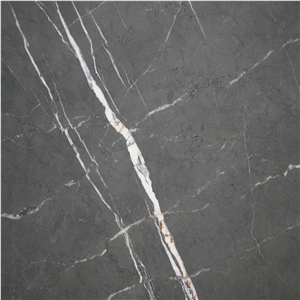
Chinas Sarila Marble is known for its aesthetic beauty, but it may not be the most suitable choice for exterior applications in very rainy climates.
Marble, in general, is a porous and naturally soft stone, which means it can be prone to water absorption and damage. In very rainy climates, where there is constant exposure to moisture and rainwater, using marble outdoors can lead to several issues over time.
Firstly, the high moisture content can cause the marble to deteriorate rapidly. Continuous exposure to rainwater can lead to the formation of mold, mildew, and efflorescence on the surface of the stone. Additionally, the freeze-thaw cycles that occur in colder climates can cause the marble to crack or break due to expansion and contraction caused by freezing water.
Furthermore, marble is also susceptible to staining and etching. Rainwater can contain various minerals and pollutants that, when left on the marbles surface, can penetrate and cause discoloration or etching marks.
To ensure the longevity of the stone and avoid these potential issues, it is recommended to use more durable and weather-resistant materials, such as granite or porcelain tiles, for exterior applications in very rainy climates. These materials are better equipped to withstand the challenges posed by constant exposure to moisture and heavy rainfall.


 China

 8YR


 Turkey


 Italy

 Iran


 Myanmar


 France
