Post Your Needs

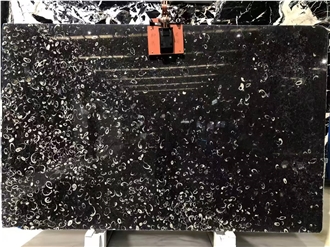
Sea Shell Marble

Black - Marble

China

About

Item Details

Material Type:
Marble
Origin:
China
Primary Color(s):
Black
Recommended Usage:
Kitchen and bathroom countertops, wash basins, building stone, ornamental stone, stairs, interior, exterior wall and floor applications, mosaic, waterjet pattern, wall panels, table tops, balustrades, columns, wall and pool copings, pool pavers, sculptures, fireplaces
Additional Names:
Brown Bei Flowers Marble, China Sea Shell Black Marble, Feibei Flower Marble, Seashell Flower Marble, Sea Shell Flower Marble, Fossil Black Marble, Deep Sea Black Marble, in China stone market:海贝花(Hǎibèihuā), Sea Shell Marble
Finished Surface:
Polished,Bush Hammered,Tumbled,Brushed,Honed,Split,Machine Cut,Natural Surface,Sandblasted,Combed,Leathered,Water Jet,Filled,Chiseled,Pickling

Testing

Water Absorption:
< 0.5%
Density:
2700 Kg/m³
Flexural Strength:
9-13 MPa
Compressive Strength:
120-130 MPa
Stone texture:
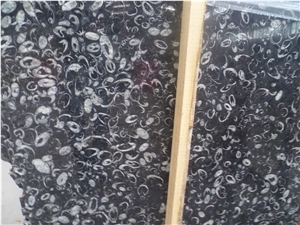
Rich charcoal, black, beige, and off-white with intricate swirls and "eye"-like fossil patterns, accented by subtle blue-grey hues; A bold, dramatic marble with organic, flowing designs suitable for statement surfaces

Description

Sea Shell Marble is an exquisite natural stone known for its bold and dramatic aesthetic. Characterized by a rich color palette of charcoal, black, beige, and off-white, this marble features intricate swirls and "eye"-like fossil patterns. It is further accented by subtle blue-grey hues, adding depth and contrast. Its organic, flowing designs make it ideal for statement surfaces in both residential and commercial environments. It is quarried in China and is a popular choice for those seeking a unique and striking appearance.

Physical and Mechanical Properties

  • Water Absorption: Low (typically < 0.5%)
  • Density: 2700 kg/m³
  • Flexural Strength: Ranges between 9-13 MPa
  • Compressive Strength: Typically around 120-130 MPa
  • Hardness: Around 3-4 on the Mohs scale
  • Porosity: Low
  • Slip Resistance: Moderate; typically enhanced with textured finishes for flooring applications

Chemical and Mineral Composition

Sea Shell Marble typically exhibits the following chemical and mineral composition:

  • Calcite: Approximately 90-95%
  • Dolomite: Ranges from 1-5%
  • Quartz: Around 1-5%
  • Other Minerals: Includes trace amounts of pyrite or micas, depending on the specific quarry

Usage and Applications

Sea Shell Marble is best utilized in the following applications:

  • Interior Flooring: Its bold patterns make floors stand out in large spaces.
  • Wall Cladding: Ideal for creating feature walls in both homes and businesses.
  • Kitchen Countertops: Offers a dramatic look for kitchens, pairing well with various cabinet colors.
  • Bathroom Vanities: Adds elegance and luxury to bathrooms.
  • Fireplace Surrounds: Enhances the focus and appeal of living spaces.

Maintenance Recommendations

  • Cleaning: Regularly use a pH-neutral stone cleaner; avoid acidic or abrasive cleaners.
  • Sealing: Recommend sealing annually to protect against staining and moisture penetration.
  • Polishing: Routine polishing may be performed to maintain luster but should be done by professionals to avoid damage.

Cutting Sizes and Surface Finishes

  • Common Cutting Sizes: Standard tiles (30x30 cm, 30x60 cm, 60x60 cm), Slabs available in custom sizes.
  • Available Surface Finishes:
  • Polished: Enhances color and pattern contrast; suitable for less-trafficked areas or decorative pieces.
  • Honed: Provides a smooth, matte finish ideal for flooring and other high-traffic areas.
  • Brushed or Leathered: Enhances texture and adds slip resistance, suitable for both indoor and outdoor applications.
  • Sandblasted: Gives a rough, non-slip surface for exterior paving or areas requiring higher traction.

Sea Shell Marble brings unmatched beauty and sophisticated character to any project, harmonizing with a variety of design styles from classic to contemporary.

FAQ

Can China's Sea Shell Marble be used outdoors?

Chinas Sea Shell Marble is typically used for indoor applications, such as flooring, countertops, and wall cladding. However, it may be possible to use it in outdoor settings with certain precautions. Sea Shell Marble is a natural stone that contains fossilized shells and other marine life, making it susceptible to weathering and deterioration when exposed to outdoor elements. It is not recommended for use in areas with high moisture, freeze-thaw cycles, or extreme temperatures, as these conditions can cause the stone to crack or degrade over time. If you still wish to use Chinas Sea Shell Marble outdoors, it is essential to consider the following: 1. Sealant: Apply a high-quality sealant specifically designed for outdoor use to protect the marble from water absorption and damage. It will help enhance its resistance to weathering and staining. 2. Proper installation: It is crucial to ensure that the marble is installed correctly, with adequate drainage systems to prevent water pooling and potential damage. 3. Regular maintenance: Regularly clean and maintain the marble to prevent dirt, grime, and mold accumulation. Additionally, monitor and address any signs of damage or deterioration promptly. Overall, while Chinas Sea Shell Marble is primarily intended for indoor use, with appropriate precautions, it may be used in certain outdoor settings. It is recommended to consult with a professional or supplier for specific guidance based on your outdoor project requirements.
Can China's Sea Shell Marble be used exterior applications in very humid climates?

Chinas Sea Shell Marble is a natural stone product that is commonly used for interior applications such as flooring, countertops, and wall cladding. While it can potentially be used for exterior applications, it may not be the most suitable choice for very humid climates. Marble is a porous material, which means it can absorb water and moisture. In very humid climates, where there is a higher risk of continuous exposure to moisture, there is a greater possibility of the marble absorbing water and becoming more susceptible to damage, such as staining and deterioration. In such climates, it is generally recommended to select a more durable and less porous material for exterior applications. Options like granite, quartzite, or some engineered stones may be more suitable as they have better resistance to moisture and can withstand the challenges of humid environments. If you still choose to use Chinas Sea Shell Marble for an exterior application in a very humid climate, proper sealing and regular maintenance will be crucial to minimize the risk of moisture absorption and damage. It is advisable to consult with a stone professional or architect for specific guidance based on your projects requirements and local climate conditions.

Can China's Sea Shell Marble be used in a dining room?

Yes, Chinas Sea Shell Marble can be used in a dining room. It is a natural stone that offers a beautiful and unique aesthetic with its shell-like patterns and colors. It can be used as flooring, countertops, or even as a decorative element such as an accent wall or tabletop. However, its important to consider the overall style and design of the dining room and ensure that the Sea Shell Marble complements the other elements in the space.

Can China's Sea Shell Marble be used in landscaping?

Yes, Chinas Sea Shell Marble can be used in landscaping. Sea Shell Marble is a type of marble that has unique shell patterns and colors, making it a visually appealing option for various landscaping projects. It can be used for outdoor flooring, pathways, patios, or even as decorative elements such as garden borders, fountains, or sculptures. Its natural beauty and durability make it a popular choice for enhancing the aesthetics of outdoor spaces.

What grade is China's Sea Shell Marble?

Chinas Sea Shell Marble does not have a specific grade as grades for marble typically depend on factors such as color, veining, and overall quality. However, China is known for producing a wide range of marble grades, from low to high quality, depending on the specific variety and source.

What is the coefficient of friction of Pickled China's Sea Shell Marble tiles?

It is not possible to determine the coefficient of friction of Pickled Chinas Sea Shell Marble tiles without more specific information. The coefficient of friction can vary depending on various factors such as the specific finish applied to the tiles, the surface they are being compared against, and any additional treatments or coatings applied.

Are there color variations of China's Sea Shell Marble?

Yes, there are color variations of Chinas Sea Shell Marble. Sea Shell Marble typically comes in shades of white, gray, beige, and brown, with unique patterns and textures resembling seashells. However, the specific color variations can depend on the quarry from which the marble is sourced. Some varieties may have hints of blue, green, or gold tones, while others may be predominantly white or gray. The patterns and colors can also vary within the same quarry, making each piece of Sea Shell Marble unique.

Is China's Sea Shell Marble an expensive stone?

I do not have access to real-time market information. However, the cost of Chinas Sea Shell Marble varies depending on factors such as quality, color, texture, and location. Generally, like most natural stones, it can be considered a high-end material and may be more expensive than some other types of marble.

Products & Prices

View More

Hot Black Marble

New Marble

Post Your Request

The request includes:
  1. surface finished, size
  2. quantity required