Post Your Needs

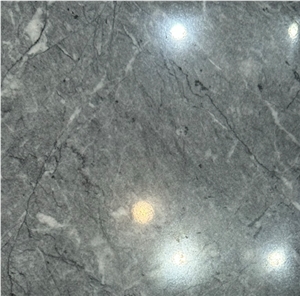
Sea Star Marble

Marble

United States

About

Item Details

Material Type:
Marble
Origin:
United States
Recommended Usage:
Kitchen and bathroom countertops, wash basins, building stone, ornamental stone, stairs, interior, exterior wall and floor applications, mosaic, waterjet pattern, wall panels, table tops, balustrades, columns, wall and pool copings, pool pavers, sculptures, fireplaces
Additional Names:
Sea's Star Marble, Star of the Sea Marble, Gray Sea Star Marble, Sea Star Grey Marble, Arctic Green Marble, in China stone market:海之星 (Hǎi zhī xīng), Sea Star Marble
Finished Surface:
Polished,Bush Hammered,Tumbled,Brushed,Honed,Split,Machine Cut,Natural Surface,Sandblasted,Combed,Leathered,Water Jet,Filled,Chiseled,Pickling

Testing

Water Absorption:
0.15 – 0.25 % by weight
Density:
2680 – 2720 Kg/m³
Flexural Strength:
12 – 18 MPa
Compressive Strength:
110 – 130 MPa

Description

Sea Star Marble is a luxurious natural stone quarried in United States of America, featuring a fine-grained dark silver-gray base accented with lighter streaks and khaki green shades. The stone exhibits dynamic and elegant flowing patterns, making it ideal for both modern and classical interior designs. Its combination of subtle tones and delicate veining provides a sophisticated visual appeal.

Texture & Pattern

  • Texture: Fine-grained crystalline structure, smooth to the touch.
  • Pattern: Flowing streaks of lighter gray interspersed with khaki green veins and flecks.
  • Visual Effect: Creates natural movement and depth, offering a calm yet refined appearance.
  • Surface Feel: Silky and dense when polished; soft matte under honed finish.

Physical & Mechanical Properties (Typical Test Results)

  • Apparent Density : 2.68 – 2.72 g/cm³
  • Water Absorption : 0.15 – 0.25 % by weight
  • Compressive Strength : 110 – 130 MPa
  • Flexural Strength : 12 – 18 MPa
  • Abrasion Resistance : 15 – 18mm (Böhme)
  • Mohs Hardness : 3 – 4 —
  • Porosity : 0.3 – 0.5 %

Chemical Composition (% by Weight)

  • CaCO₃ (Calcium Carbonate) : 94 – 97%
  • MgCO₃ (Magnesium Carbonate) : 1 – 2%
  • SiO₂ (Silica) : 0.5 – 1.2%
  • Fe₂O₃ (Iron Oxide) : 0.2 – 0.4%
  • Al₂O₃ (Alumina) : 0.1 – 0.3%
  • Trace Elements : <0.2%

Mineralogical Composition (% by Weight)

  • Calcite : 95 – 97%
  • Quartz : 1 – 2%
  • Serpentine / Mica Minerals : 0.5 – 1%
  • Iron Oxides : <0.5%

Available Cutting Sizes

  • Slabs (cm): 260–320 × 140–200
  • Tiles / Cut-to-Size (cm): 30×30, 30×60, 60×60, 60×120, 80×80, or custom sizes
  • Thickness: 2 cm, 3 cm (standard); custom thickness available
  • In inches (approx.): Slabs: 102–126″ × 55–79″
  • Tiles: 12″×12″, 12″×24″, 24″×24″, 24″×48″

Surface Finish Options

  • Polished: High gloss finish enhancing color contrast and veining
  • Honed: Smooth matte finish with subtle elegance
  • Leathered / Brushed: Slightly textured, tactile surface
  • Bush Hammered: Non-slip rugged finish for exterior applications
  • Tumbled: Antique, rustic appearance
  • Sawn Cut: Natural surface suitable for further processing

Usage Applications

  • Flooring and wall cladding (interior and exterior)
  • Countertops, kitchen islands, and vanity tops
  • Staircases, risers, and thresholds
  • Fireplace surrounds, feature walls, and columns
  • Decorative architectural elements and mosaics

Maintenance Guidelines

Apply a penetrating stone sealer after installation to protect from stains and moisture. Clean with pH-neutral cleaners; avoid acidic or abrasive substances. For high-traffic areas, resealing every 12–18 months is recommended to maintain appearance.

FAQ

How can I clean Sea Star Marble backsplash mosaic tiles?

Cleaning Sea Star Marble backsplash mosaic tiles requires a gentle approach to preserve the natural stone and its finish. Here are steps you can follow to effectively clean your marble tiles: 1. **Regular Dusting and Sweeping**: Use a soft, dry, microfiber cloth or a dry dust mop to remove dust and debris from the surface regularly, preventing scratches. 2. **Mild Detergent and Water**: Mix a few drops of a pH-neutral dish soap with warm water. Avoid acidic or alkaline cleaners which can damage marble over time. 3. **Soft Cloth or Sponge**: Dampen a soft cloth or sponge in the soapy water and gently wipe down the tiles. Do not use abrasive pads or brushes as they can scratch the marble. 4. **Rinse with Clean Water**: Use a clean, damp cloth to rinse the tiles, removing all soap residue. Soap residue left on the surface can dull the marble. 5. **Dry Thoroughly**: Immediately dry the surface with a soft, dry towel or cloth to prevent water spots and maintain the marbles natural shine. 6. **Address Stains Promptly**: If there are any spills or stains, address them immediately. Blot (dont rub) the spill using a soft cloth, then clean as described above. 7. **Avoid Acidic Substances**: Keep acidic foods (like lemon juice or vinegar) away from marble surfaces as they can etch and damage the stone. 8. **Sealing**: Marble is porous, so it should be sealed regularly—typically every 6 to 12 months—to protect it from staining. Test if your marble needs sealing by placing a few drops of water on the surface; if it soaks in, its time to reseal. 9. **Avoid Harsh Chemicals**: Do not use bleach, ammonia, or vinegar for cleaning as they can damage the finish and the stone itself. 10. **Professional Help for Deep Stains**: If you encounter stains that are difficult to remove or require special care, consider seeking professional assistance. By following these tips, youll ensure your Sea Star Marble backsplash mosaic tiles remain in excellent condition and retain their beauty over time.

How can I clean the grout of Sea Star Marble wall tiles?

Cleaning grout on Sea Star Marble wall tiles requires careful handling to avoid damaging the marble. Here’s a step-by-step guide to clean the grout effectively: 1. **Gather Materials:** - pH-neutral stone cleaner or a mild dish soap - Soft-bristle brush or an old toothbrush - Microfiber cloths - Warm water - Grout sealer (optional, for post-cleaning protection) 2. **Prepare the Solution:** - Mix a small amount of pH-neutral stone cleaner or mild dish soap with warm water. Avoid acidic or abrasive cleaners, as they can damage the marble surface. 3. **Apply the Solution:** - Dip the soft-bristle brush or toothbrush into the cleaning solution. - Gently scrub the grout lines. Be careful not to apply too much pressure to avoid scratching the marble tiles. 4. **Rinse:** - Rinse the area with clean, warm water to remove soap residues. - Use a damp microfiber cloth to wipe down the tiles and grout. 5. **Dry:** - Use a dry microfiber cloth to thoroughly dry the area. Ensuring the grout and tiles are dry will help prevent water spots and potential mildew growth. 6. **Seal the Grout (Optional):** - Once the grout is completely dry, consider applying a grout sealer to protect against future stains and moisture. Make sure to choose a sealer appropriate for use with marble. 7. **Regular Maintenance:** - To maintain clean grout, wipe down the tiles regularly with a damp cloth and avoid using products that could harm the marble. By following these steps, you can clean and preserve the grout and the beautiful finish of your Sea Star Marble tiles without causing damage.

I have a Sea Star Marble tabletop with a vein that looks broken. Should I glue it?

Repairing a marble tabletop can be a delicate task, especially if you want to maintain its aesthetic and structural integrity. Before proceeding with any repairs, consider the following: 1. **Assess the Damage**: Examine the extent of the break or crack. If it is just a surface vein or hairline crack, it might not require immediate repair. However, if its a deeper crack that could worsen or compromise the stability of the tabletop, repair is advisable. 2. **Gluing the Crack**: - **Type of Glue**: Use an epoxy resin specifically designed for stone or marble. This type of adhesive is strong, durable, and dries clear, which helps to maintain the appearance of the marble. - **Cleaning**: Ensure the crack is clean and free of any debris or dust, which can prevent the glue from adhering properly. - **Application**: Apply the epoxy carefully along the crack using a small brush or a disposable applicator. Try to keep the glue within the crack to avoid excess glue on the surface. - **Clamping**: If the crack is significant and the marble pieces have shifted, use clamps to hold the pieces together while the glue dries, typically for about 24 hours. 3. **Polishing**: After the glue has fully cured, you may need to polish the area to restore the shine and conceal the repair. Marble polishing powders or a small amount of marble polish applied with a soft cloth can help. 4. **Professional Help**: If the break is extensive or the tabletop is valuable, consider consulting a professional restorer to assess and repair the damage. They may be able to blend and fill the crack in a way that is less noticeable. 5. **Preventing Future Damage**: Use coasters and placemats to protect the marble from spills and impacts, and avoid placing heavy objects near the edge of the tabletop. By carefully assessing and addressing the damage, you can often restore your tabletop to its original beauty.

What is the standard thickness of the Sea Star Marble window sills?

The standard thickness for marble window sills, including Sea Star Marble, typically ranges from 3/4 inch (about 2 cm) to 1 1/4 inches (about 3 cm). However, this can vary based on manufacturer, supplier, or specific project requirements. Its always best to check with the supplier or manufacturer for the exact specifications they offer.

How can I fix a broken veined Sea Star Marble wash basin?

Repairing a broken veined Sea Star Marble wash basin requires some careful steps to ensure a seamless fix. Heres a guide to help you through the process: 1. **Assess the Damage:** - Take a close look at the basin to understand the extent of the damage. Check for hairline cracks, chips, or complete breaks. 2. **Gather Materials:** - Epoxy adhesive suitable for marble - Marble filler (if there are chips or missing pieces) - Clean rags - Acetone or rubbing alcohol - Sandpaper (various grits: 400, 800, 1000) - Polishing compound - Soft cloth - Clamps (if necessary for holding pieces in place) 3. **Clean the Surface:** - Use acetone or rubbing alcohol to clean the marble surfaces that need repairing. This removes any dirt, oil, or residue that might prevent the adhesive from bonding effectively. 4. **Prepare the Epoxy:** - Follow the manufacturers instructions to mix the epoxy adhesive. Some adhesives require mixing two components together for activation. 5. **Apply the Epoxy:** - Carefully apply the epoxy to the broken edges or cracks. For best results, use a small brush or spatula to ensure even coverage. 6. **Join the Pieces:** - Carefully align and press the broken pieces together. Ensure there’s no excess epoxy squeezing out. If required, use clamps to hold the pieces in place while the epoxy cures. Follow the curing time as per the epoxy’s instructions. 7. **Fill Chips and Cracks:** - If there are chips or small gaps, use a marble filler that matches the color of your basin. Apply it carefully and let it dry as per the manufacturers guidelines. 8. **Sand the Surface:** - Once the adhesive and filler have cured and hardened, use sandpaper to smooth out any irregularities. Start with a 400 grit and move up to 800 and then 1000 grit for a polished finish. 9. **Polish the Surface:** - Use a marble polishing compound and a soft cloth to polish the repaired area. This will help blend the repair into the rest of the basin and restore its shine. 10. **Seal the Surface:** - Consider applying a marble sealant to protect the basin and ensure longevity. **Additional Tips:** - If the repair seems too complex, or if the damage is extensive, consult with a professional who specializes in marble repair. - Always use appropriate personal protective gear, such as gloves and eye protection, especially when handling chemicals or during sanding and polishing. By taking these steps, you should be able to repair your veined Sea Star Marble wash basin effectively.

If I use Sea Star Marble around a swimming pool, will the water chemicals affect its color?

Using Sea Star Marble around a swimming pool can be a beautiful choice, but its important to consider how the pool chemicals might affect its color and integrity. Marble is a natural stone and can be sensitive to acidic and alkaline substances. Pool chemicals, such as chlorine and other sanitizers, can potentially cause the marble to discolor over time. Additionally, if the marble is not properly sealed, it could absorb some of these chemicals, leading to further color changes or damage. To minimize the impact, consider the following steps: 1. **Seal the Marble**: Ensure that the marble is well-sealed with a high-quality penetrating sealer to protect against chemical penetration and staining. 2. **Regular Maintenance**: Clean and reseal the marble regularly to maintain its integrity and appearance. 3. **pH Balance**: Keep the pool waters pH levels balanced and within the recommended range to minimize the risk of damage. 4. **Rinse Off**: If possible, regularly rinse off the marble surrounding the pool to remove any chemicals that may have splashed onto it. 5. **Test First**: Consider testing a small, inconspicuous area before installing to see how the marble holds up to the specific pool chemicals youll be using. By taking these precautions, you can help maintain the color and quality of Sea Star Marble around your swimming pool.

Can I use Sea Star Marble as a fireplace hearth? Is it durable enough to withstand heat?

Sea Star Marble can be used as a fireplace hearth, but there are some considerations to keep in mind. Marble is a natural stone that is generally heat resistant, making it suitable for use around fireplaces. However, there are a few factors to consider: 1. **Heat Resistance**: While marble can withstand heat, it is not as heat resistant as some other materials like granite. Direct exposure to very high temperatures over time may cause discoloration or damage. It is important to ensure that the marble hearth is installed according to safety guidelines and that the fireplace itself is designed to direct heat away from the hearth surface. 2. **Durability**: Marble is a softer stone compared to granite and is more susceptible to scratching, chipping, and staining. It requires regular sealing and maintenance to keep it looking its best, especially in a high-use area like a fireplace hearth. 3. **Maintenance**: If you choose to use Sea Star Marble, be prepared for regular cleaning and maintenance to maintain its appearance. Spills should be cleaned promptly to prevent staining, and resealing the marble periodically will help protect it. 4. **Aesthetics**: Sea Star Marble can add elegance and beauty to a fireplace hearth, and its unique pattern can create a striking focal point in a room. However, ensure that the aesthetic matches your overall design. If you decide to use Sea Star Marble for your fireplace hearth, consulting with a professional installer can ensure proper installation and adherence to safety and building codes.

Products & Prices

Hot Marble

New Marble

Post Your Request

The request includes:
  1. surface finished, size
  2. quantity required