Post Your Needs

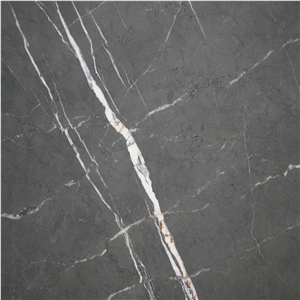
Seawave Marble

Grey - Marble

Turkey

About

Item Details

Material Type:
Marble
Origin:
Turkey
Primary Color(s):
Grey
Recommended Usage:
Kitchen and bathroom countertops, monuments, building stone, ornamental stone, stairs, interior, exterior wall and floor applications, mosaic, waterjet pattern, wall panels, table tops, window sills, balustrades, columns, wall and pool copings, pool pavers, sculptures, fireplaces, pavers
Additional Names:
Seawave Gray Marble, Sea Wave Gray Marble, Seawave Grey Marble, Seawave Marble
Finished Surface:
Polished,Bush Hammered,Tumbled,Brushed,Honed,Split,Machine Cut,Natural Surface,Sandblasted,Combed,Leathered,Water Jet,Filled,Chiseled,Pickling

Description

Seawave Marble, quarried in Turkey, is renowned for its captivating appearance and versatile characteristics. It features dark ash gray and silver gray waves with light semi-white hues, creating a visually stunning and dynamic marble.

Texture: The texture of Seawave Marble is typically smooth and polished, offering a luxurious feel to the touch. Its surface may exhibit subtle variations, adding depth and character to its overall appearance.

Usage: Seawave Marble finds versatile applications in various interior design projects. Here are some common uses:

Flooring: Ideal for creating elegant and sophisticated flooring designs in residential and commercial spaces, adding a touch of luxury to any room.

Wall Cladding: Enhances the aesthetic appeal of interior walls, accent walls, and feature walls in bathrooms, kitchens, and living areas, creating a focal point in the room.

Countertops and Vanity Tops: Creates stunning countertops and vanity tops in kitchens, bathrooms, and powder rooms, combining functionality with aesthetic appeal.

Fireplace Surrounds: Elevates the ambiance of living spaces with stylish fireplace surrounds and mantels, adding warmth and character to the room.

Decorative Accents: Perfect for crafting decorative accents such as staircases, columns, and tabletops, enhancing the overall aesthetic of the space.

Maintenance: To preserve the beauty and integrity of Seawave Marble, regular maintenance is essential. Here are some maintenance tips:

Sealing: Seal the marble surface with a high-quality penetrating sealer to protect it from stains and moisture absorption. Reapply the sealer periodically as needed.

Cleaning: Clean the marble regularly using a pH-neutral stone cleaner and a soft cloth or mop. Avoid using abrasive cleaners or harsh chemicals that may damage the surface.

Spills: Promptly wipe up spills to prevent staining. Blot the spill with a clean, dry cloth and then clean the area with a mild stone cleaner.

Avoid Acidic Substances: Refrain from using acidic substances such as lemon juice, vinegar, or bleach on marble surfaces, as they can etch or damage the stone.

Protection: Use coasters, trivets, and mats under hot or acidic items to protect the marble surface from scratches, stains, and damage.

Characteristic: Seawave Marble is characterized by its dark ash gray and silver gray waves with light semi-white hues, creating a mesmerizing and dynamic appearance. Its natural variations in color and veining add to its unique beauty, making it a sought-after choice for architects, designers, and homeowners seeking a luxurious and sophisticated aesthetic.

FAQ

Can I use Seawave Marble for office staircase steps?

Yes, you can use Seawave Marble for office staircase steps. Seawave Marble is a natural stone known for its elegant appearance and durability, making it a suitable choice for both aesthetic and functional purposes in high-traffic areas like an office staircase. However, there are a few considerations to keep in mind: 1. **Durability**: Seawave Marble is generally durable but be aware that marble can be prone to scratching and staining. Applying a sealant can help protect it. 2. **Maintenance**: Marble requires regular maintenance, including cleaning and resealing, to keep it looking its best. 3. **Safety**: Marble can be slippery, especially when wet. Consider using non-slip treatments or mats to ensure safety. 4. **Cost**: Marble can be more expensive than other materials, so consider your budget. Overall, with proper care and maintenance, Seawave Marble can add a luxurious and sophisticated look to your office staircase.

Is Seawave Marble a suitable stone for making sculptures?

Seawave Marble, like many other types of marble, can be a suitable material for making sculptures, but several factors should be considered before using it. 1. **Aesthetics**: Seawave Marble is known for its distinctive pattern and color, which resembles ocean waves. This unique appearance can add a dynamic and striking visual element to sculptures, making it an attractive choice for artists seeking to convey movement or fluidity. 2. **Workability**: Marble, in general, is relatively soft compared to other stones like granite, making it easier to carve. However, different types of marble can have varying levels of hardness and brittleness. Its important to assess these characteristics for Seawave Marble to ensure its workable for the intended sculptural design. 3. **Durability**: Marble is susceptible to weathering and can degrade over time, especially when exposed to outdoor elements. If the sculpture is intended for an outdoor setting, this is an important consideration. Seawave Marble should be evaluated for how well it withstands environmental factors. 4. **Cost**: The availability and cost of Seawave Marble are also considerations. Depending on the quarrying and transportation costs, it may be more expensive than other types of marble. 5. **Technical Characteristics**: Before committing to Seawave Marble, it might be helpful to examine its technical properties, like porosity, density, and resistance to stress, to ensure it meets the requirements for the sculpture. Ultimately, while Seawave Marble can be a suitable material for sculpture, its important for artists to weigh these factors in relation to their specific project requirements and creative vision. Consulting with stone suppliers or experienced sculptors can also provide valuable insights.

Does the surface of Seawave Marble scratch easily?

Seawave Marble, like other types of marble, can be prone to scratching due to its relatively soft and porous nature compared to harder stones like granite. While marble is a durable material and popular in various applications such as countertops and flooring, it requires regular maintenance and care to prevent scratches and other forms of damage. To minimize the risk of scratching, consider the following tips: 1. **Sealant:** Regularly apply a high-quality sealant to help protect the surface from scratches and stains. 2. **Cutting Boards:** Always use cutting boards or protective mats when preparing food to avoid direct contact with sharp objects. 3. **Soft Cloths:** Use soft cloths or microfiber towels for cleaning to prevent abrasive contact. 4. **Furniture Pads:** Use felt pads under furniture legs or other heavy objects to avoid scratching when moving them. Careful maintenance can help preserve the appearance of Seawave Marble over time.

Can polished finish Seawave Marble be used for pool coping?

Using polished finish Seawave Marble for pool coping is not typically recommended. There are several considerations to keep in mind: 1. **Slip Resistance**: Polished surfaces can become very slippery when wet, posing a safety risk around pools. 2. **Durability**: Marble, including Seawave Marble, is a relatively soft and porous stone. It can be prone to staining and etching, especially when exposed to pool chemicals and saltwater. 3. **Maintenance**: It may require regular sealing and maintenance to keep its appearance and integrity intact. If you are set on using Seawave Marble, it might be better to consider a honed or textured finish for better slip resistance, or look into more suitable natural stones or materials such as travertine or limestone, which are commonly used for pool decks and coping due to their durability and slip-resistant properties. Always consult with a professional or a stone specialist to ensure you choose the best material for your specific project.

Can Seawave Marble be used as a kitchen countertop?

Seawave Marble can be used as a kitchen countertop, but there are several factors to consider before making a decision. Marble is a natural stone that is prized for its beauty, with unique veining and patterns, including those found in Seawave Marble. However, it also has some drawbacks, especially in a kitchen setting: 1. **Porosity**: Marble is porous, which means it can absorb liquids and be susceptible to staining from substances like wine, coffee, and oils. Sealing the marble can help mitigate this issue, but the sealant needs to be reapplied periodically. 2. **Durability**: While marble is generally durable, it is softer than other stones like granite or quartz. This makes it more prone to scratching and chipping, especially in a high-traffic area like a kitchen. 3. **Etching**: Marble is sensitive to acids found in many foods and cleaning products. Acidic substances can cause etching, which is a dulling of the surface. This is a common issue with marble countertops. 4. **Maintenance**: Due to its susceptibility to staining, scratching, and etching, marble requires more maintenance and care compared to other countertop materials. Regular sealing, using cutting boards, and promptly cleaning spills can help preserve its appearance. If you are set on using Seawave Marble for your kitchen countertops, its essential to weigh these factors and be prepared for the maintenance it requires. Some homeowners choose to use marble for areas of the kitchen that might see less preparation and cooking activity, or they choose it for aesthetic purposes despite its need for careful handling. Alternatively, you may want to consider using it in conjunction with more durable materials.

How can I maintain polished Seawave Marble flooring?

Maintaining polished Seawave Marble flooring requires a combination of regular cleaning, protection, and care to preserve its shine and durability. Here are some steps and tips to help you maintain your marble flooring: 1. **Regular Cleaning:** - **Dust and Dry Mop:** Use a soft, microfiber cloth or dry mop regularly to remove dust and debris. This prevents scratches caused by dirt particles. - **Wet Mop:** Use a damp mop with warm water for deeper cleaning. Ensure the mop is only slightly damp, not wet, to prevent water from seeping into the marble. 2. **Use a pH-Neutral Cleaner:** - Avoid acidic or alkaline cleaners, as they can etch or damage the marble. - Use a pH-neutral cleaner specifically formulated for marble. Follow the manufacturer’s instructions for dilution and application. 3. **Immediate Spill Management:** - Promptly clean spills, especially those that are acidic (like vinegar, wine, or citrus juices) to prevent staining and etching. 4. **Protective Measures:** - **Sealing:** Seal your marble flooring regularly as per the manufacturers or professionals recommendations. This creates a protective barrier to resist stains and moisture. - **Rugs and Mats:** Place rugs or mats in high-traffic areas and entryways to reduce dirt and wear. Ensure the backing is non-slip and non-scratch. 5. **Avoid Heavy Objects:** - Be cautious when moving furniture or heavy objects. Use felt pads or furniture sliders to prevent scratches. 6. **Polishing:** - Occasional polishing can restore the marbles shine. Use a marble-safe polish and follow the instructions carefully. - For extensive polishing or restoration, consider hiring a professional to avoid damage. 7. **Regular Inspection:** - Periodically check for signs of wear, stains, or damage. Address any issues promptly to prevent further deterioration. 8. **Avoid Abrasive Tools:** - Do not use abrasive scrubbers or pads, as they can scratch the surface. Stick to soft cloths or mops. 9. **Humidity Control:** - Maintain stable humidity levels, as marble is a natural stone and can be sensitive to environmental changes. Adopting these practices will help you maintain the beauty and integrity of your polished Seawave Marble flooring for years to come.

Is Seawave Marble a suitable choice for facades in cold winter climates?

Seawave Marble can be a suitable choice for facades in cold winter climates under certain conditions. Here are a few considerations to keep in mind: 1. **Frost Resistance**: Seawave Marble should have good frost resistance to withstand freezing and thawing cycles without cracking or deteriorating. This is an important property to verify with the supplier or manufacturer. 2. **Water Absorption**: Lower water absorption rates are preferable for cold climates, as moisture can seep into the stone and freeze, potentially causing damage. Make sure Seawave Marble has suitable water absorption characteristics for outdoor use in your climate. 3. **Maintenance**: Marble generally requires regular maintenance to keep its appearance and structural integrity, especially in harsher climates. Ensure you have a plan for sealing and maintaining the marble over time. 4. **Finish and Treatment**: The finish and any additional treatments applied to the marble can enhance its suitability for cold climates. Treated surfaces may be more resistant to weathering and staining. 5. **Installation**: Proper installation is crucial to ensure the longevity of Seawave Marble. Correct techniques including sealing joints and allowing for thermal expansion can mitigate potential issues caused by cold weather. 6. **Local Climate Conditions**: Assess the specific conditions of your area, such as temperature fluctuations, snow, ice, and exposure to de-icing chemicals, to determine appropriateness. Its advisable to consult with a local architect or contractor who has experience with natural stone installations in cold climates to evaluate whether Seawave Marble is the right choice for your specific project.

What is the average hardness of Turkey's Seawave Marble?

There is limited information available on the exact average hardness of Turkeys Seawave Marble. However, marble generally has a hardness ranging from 3 to 5 on the Mohs scale. It is considered a relatively soft stone compared to other natural stones such as granite or quartzite.

Can Turkey's Seawave Marble be used exterior applications in cold climates?

Turkeys Seawave Marble can be used in exterior applications in cold climates, but it is important to consider a few factors. Seawave Marble is known for its delicate and veiny appearance, which makes it a popular choice for interior applications such as flooring, countertops, and wall cladding. However, when used in exterior applications, there are some considerations to keep in mind. Firstly, Seawave Marble is a natural stone, and like all natural stones, it is porous and can absorb water. In cold climates, freeze-thaw cycles can occur, where water gets into the pores of the stone, freezes, and expands, potentially causing the stone to crack. To prevent this, it is crucial to ensure that the marble is properly sealed and maintained with a good-quality impregnating sealer, which will help minimize water absorption and protect the stone from the effects of freezing temperatures. Additionally, it is important to consider the level of traffic and wear and tear the marble will be subjected to in exterior applications. Seawave Marble is not as durable as some other types of natural stones, so it may be more susceptible to scratching and chipping, especially when exposed to heavy foot traffic or harsh weather conditions. In summary, while Turkeys Seawave Marble can be used in exterior applications in cold climates, it is essential to take precautions such as proper sealing and maintenance to enhance its longevity and durability. It is advisable to consult with a professional stone supplier or installer for specific recommendations and to ensure that the marble is suitable for the intended use and climate.

What is the coefficient of friction of Water Jet Cut Turkey's Seawave Marble tiles?

To determine the coefficient of friction of Water Jet Cut Turkeys Seawave Marble tiles, we would need specific information about the surface of the tiles and the testing method used to measure the coefficient of friction. Typically, the coefficient of friction is determined through laboratory testing using standard procedures such as the ASTM C1028 test method, which measures the static coefficient of friction (SCOF) or the dynamic coefficient of friction (DCOF) of a surface. The coefficient of friction can vary depending on various factors such as the finish of the tiles (polished, honed, etc.), surface texture, moisture content, and the presence of any surface treatments or sealants. Therefore, without specific information about the tiles and the testing method used, it is not possible to provide an accurate value for the coefficient of friction of Water Jet Cut Turkeys Seawave Marble tiles.

Products & Prices

View More

Hot Grey Marble

New Marble

Post Your Request

The request includes:
  1. surface finished, size
  2. quantity required