Post Your Needs

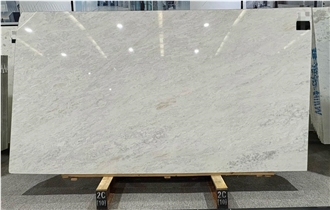
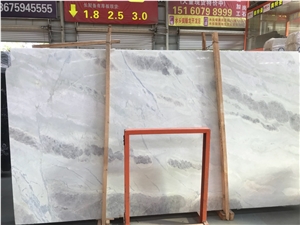
Shangri La White Marble

White - Marble

Namibia

About

Item Details

Material Type:
Marble
Origin:
Namibia (Damara, Karibib region)
Primary Color(s):
White
Recommended Usage:
Kitchen and bathroom countertops, wash basins, building stone, ornamental stone, stairs, interior, exterior wall and floor applications, mosaic, waterjet pattern, wall panels, table tops, balustrades, columns, wall and pool copings, pool pavers, sculptures, fireplaces, window sills
Additional Names:
Shangrila White Marble, White Shangri La Marble, Mystery White Marble, Namibia Jade Marble, African White Marble, Namibia White Marble, in China stone market:香格里拉白(Xiānggélǐlā Bái), Shangri La White Marble
Finished Surface:
Polished,Tumbled,Brushed,Honed,Split,Machine Cut,Natural Surface,Sandblasted,Combed,Leathered,Water Jet,Chiseled,Pickling

Testing

Water Absorption:
0.20 – 0.35 % by weight
Density:
2680 – 2720 kg/m³
Flexural Strength:
12 – 16 MPa
Compressive Strength:
110 – 140 MPa

Description

Shangri La White Marble is an elegant crystalline marble quarried in the Damara, Karibib region of Namibia, an area internationally known for producing high-quality white marbles with dense crystalline structures. The stone is characterized by a light ice-white to off-white background with delicate tonal variations and subtle, natural gray or faint ivory veining, creating a calm and refined visual composition. When polished, the marble displays a soft luminous sheen produced by its fine crystalline calcite structure, giving the surface a gentle, almost ethereal glow that enhances the perception of brightness and space. The texture is fine- to medium-grained and crystalline with tightly interlocked mineral grains, resulting in a compact, homogeneous structure typical of Namibian white marbles, which are often dolomitic and valued for their relative hardness and durability.

Texture and Pattern

  • Texture: Fine to medium crystalline, compact and dense
  • Pattern: Soft cloudy shading with delicate light gray or ivory veins
  • Visual movement: Low to moderate variation with a uniform, elegant appearance
  • Surface character: Smooth and reflective when polished, revealing subtle crystal sparkle

Typical Physical & Mechanical Properties

  • Density: 2.68 – 2.72 g/cm³
  • Water Absorption: 0.20 – 0.35 % by weight
  • Compressive Strength: 110 – 145 MPa
  • Flexural Strength: 12 – 18 MPa
  • Abrasion Resistance: Moderate to high
  • Hardness (Mohs): 3 – 4 (typical for calcite marble)

Chemical Composition (Approx. % by Weight)

  • Calcium Carbonate (CaCO₃): 94 – 97%
  • Magnesium Carbonate (MgCO₃): 1 – 3%
  • Silica (SiO₂): 0.5 – 1.5%
  • Iron Oxide (Fe₂O₃): 0.1 – 0.3%
  • Alumina (Al₂O₃): 0.1 – 0.2%
  • Trace minerals: <0.5%

Mineral Composition (Approx. % by Weight)

  • Calcite: 88 – 92%
  • Dolomite: 3 – 6%
  • Quartz: 1 – 3%
  • Mica and accessory minerals: 1 – 2%

Common Applications

Due to its bright color and refined appearance, Shangri La White Marble is widely used for:

  • Luxury interior flooring
  • Bathroom walls and vanity tops
  • Kitchen countertops and islands
  • Wall cladding and decorative panels
  • Staircases and column cladding
  • Hotel lobbies and high-end residential interiors

White Namibian marbles are especially favored in design because their crystalline white tone enhances brightness and visual space in interiors.

Maintenance

  • Apply stone sealer periodically to prevent staining
  • Clean with pH-neutral stone cleaners
  • Avoid acidic chemicals such as vinegar or strong detergents
  • Use soft cloths or microfiber mops to maintain polish and shine

Surface Finish Options

Shangri La White Marble can be processed in multiple finishes depending on design requirements:

  • Polished – glossy, reflective surface highlighting crystalline shine
  • Honed – smooth matte finish with softer appearance
  • Leathered – textured satin surface with subtle depth
  • Brushed – lightly antiqued surface
  • Sandblasted – fine granular texture for slip resistance
  • Waterjet Cut – precise decorative shapes or mosaics
  • Machine-Cut / Sawn – natural industrial finish for architectural uses

Overall, Shangri La White Marble is prized for its pure light coloration, crystalline elegance, and refined uniformity, making it an excellent material for luxury architectural interiors and sophisticated design projects where brightness, subtle movement, and timeless beauty are desired.

FAQ

Is Shangri La White Marble durable enough for use as walkway pavers?

Shangri La White Marble, like many types of marble, can technically be used for walkway pavers, but it may not always be the most practical choice for several reasons: 1. **Durability:** Marble is a softer and more porous stone compared to granite or certain other natural stones, making it more susceptible to scratches, chips, and stains. For high-traffic areas like walkways, this may mean more frequent maintenance. 2. **Weather Resistance:** Marble can be susceptible to weathering and erosion, especially in climates with freeze-thaw cycles. This could lead to cracking or deterioration over time when used outdoors. 3. **Maintenance:** Marble requires regular sealing and maintenance to protect it from staining and to preserve its appearance, which might be more effort than desired for walkway pavers. 4. **Slip Resistance:** Polished marble can be quite slippery, particularly when wet. If you choose a honed or textured finish, it might offer better slip resistance, but still may not be ideal in all weather conditions. If you still want to use Shangri La White Marble for aesthetic reasons, you might consider using it in areas with lower traffic, or under cover, where it’s less exposed to the elements. For more practical solutions, other natural stones like granite or engineered materials designed for outdoor use might be more suitable choices.

Does the surface of Shangri La White Marble scratch easily?

Shangri La White Marble, like most natural marble materials, is relatively soft and can be prone to scratching. Marble is a metamorphic rock composed predominantly of calcite, which is softer compared to other natural stones like granite or quartzite. Consequently, it is more susceptible to surface damage from sharp objects, abrasive cleaning agents, and regular wear and tear. To minimize the risk of scratching, its advisable to: 1. **Use Cutting Boards**: Always use cutting boards in the kitchen instead of cutting directly on the marble surface. 2. **Avoid Abrasives**: Do not use abrasive cleaners or pads; instead, use pH-balanced cleaners specifically designed for marble. 3. **Protective Sealing**: Regularly seal the marble to provide an additional layer of protection against scratches and stains. 4. **Use Coasters and Place Mats**: To protect surfaces from dishes, glasses, or any objects that might scratch or stain. 5. **Immediate Cleaning**: Wipe up any spills immediately to avoid stains, which can further damage a scratched surface. By following these guidelines, you can help maintain the beauty and integrity of Shangri La White Marble surfaces.

Can honed finish Shangri La White Marble be used for pool coping?

Yes, honed finish Shangri La White Marble can be used for pool coping. However, there are several factors to consider before making a final decision. 1. **Porosity and Slip Resistance**: Marble is a porous natural stone, which means it can absorb water. A honed finish is less slippery than a polished one, but its still important to consider additional treatments to improve slip resistance, especially in wet areas like a pool deck. 2. **Durability**: Marble is generally durable, but its softer compared to some other stones like granite. This means it can be prone to scratching and etching from exposure to pool chemicals, salt, or general wear and tear over time. 3. **Maintenance**: Regular sealing is necessary to protect the marble and maintain its appearance, especially in an outdoor setting. It may also require more frequent cleaning to prevent staining or damage from pool chemicals. 4. **Aesthetics**: Shangri La White Marble offers a beautiful and luxurious appearance, which can enhance the visual appeal of a pool area. 5. **Climate Considerations**: In regions with freeze-thaw cycles, care must be taken to ensure the marble can withstand these conditions without cracking or damage. Before proceeding, it’s advisable to consult with a professional installer or a stone specialist who can assess your specific conditions and provide guidance tailored to your project.

Can Shangri La White Marble be used as a kitchen countertop?

Yes, Shangri La White Marble can be used as a kitchen countertop. However, there are some factors to consider when using marble in a kitchen setting. Marble is a natural stone that is prone to scratching, staining, and etching from acidic substances. It requires regular sealing and maintenance to keep its appearance. If you choose to use Shangri La White Marble for a kitchen countertop, you should be diligent about cleaning spills immediately, using cutting boards, and placing hot items on trivets. Additionally, if you prefer a surface that develops a patina over time, marble might be a suitable choice for you. Otherwise, you may want to consider other more durable materials like granite or quartz.

How can I maintain Shangri La White Marble polished finish flooring?

Maintaining the polished finish of Shangri La White Marble flooring involves regular care and attention to keep it looking its best. Here are some tips to help you preserve its beauty: 1. **Regular Cleaning**: - **Dust and Sweep**: Use a soft, dry mop or a microfiber cloth to regularly dust the floor to prevent scratches from dirt and debris. - **Damp Mop**: Clean the surface with a damp mop using water and a pH-neutral cleaner specifically designed for marble. Avoid acidic or abrasive cleaners as they can damage the finish. - **Spot Clean**: Immediately wipe up spills to prevent staining. Use a soft cloth and a suitable marble cleaner. 2. **Preventive Measures**: - **Place Mats and Rugs**: Use mats at entryways to reduce the amount of dirt and grit that can be tracked onto the floor. - **Furniture Pads**: Attach felt pads to the legs of furniture to prevent scratches and scuffs when moving pieces. - **Remove Shoes**: As much as possible, promote a no-shoes policy indoors to reduce the impact of dirt and wear. 3. **Protective Sealing**: - **Seal Periodically**: Depending on the wear and traffic, apply a sealant every 6-12 months to protect the marble from staining and etching. Make sure to use a product recommended for polished marble surfaces. 4. **Avoid Harsh Chemicals**: - **Use the Right Products**: Do not use vinegar, lemon, or other acidic substances which can etch the marble. Avoid bleach or ammonia-based cleaners. 5. **Polishing**: - **Professional Polishing**: Occasionally, you may need professional polishing to restore the glossy finish. This usually involves buffing the surface with special polishing pads and compounds. 6. **Humidity Control**: - **Moderate Humidity Levels**: Maintain consistent indoor humidity to prevent the marble from expanding and contracting, which can lead to cracks. 7. **Addressing Damage**: - **Scratch and Etch Repair**: For minor scratches and etches, use a marble polishing powder or compound. For deeper damage, seek professional restoration services. By following these maintenance tips, you can help ensure that your Shangri La White Marble flooring stays beautiful and retains its polished finish for years to come.

Is Shangri La White Marble a suitable choice for facades in cold winter climates?

Shangri La White Marble could be suitable for facades in cold winter climates, but there are several factors to consider: 1. **Durability**: Marble is generally a durable material, but its porosity can lead to issues in freeze-thaw cycles common in cold climates. Water can seep into the stone, freeze, and cause cracking or spalling. 2. **Sealing**: To mitigate water absorption, proper sealing of the marble is crucial. High-quality sealants can help reduce water penetration and protect against freeze-thaw damage. 3. **Maintenance**: Regular maintenance is necessary to keep the marble in good condition. This includes reapplying sealant periodically and cleaning to prevent staining and dirt accumulation. 4. **Installation**: Proper installation techniques should be followed to ensure that the marble adheres well and is protected from environmental stress. Consideration should be given to moisture barriers, proper anchoring, and joint designs that accommodate thermal expansion and contraction. 5. **Thermal Conductivity**: Marble can be cold to the touch and have high thermal conductivity, which might affect the energy efficiency of a building unless thermal insulation is considered in the design. 6. **Aesthetic Considerations**: While marble offers a beautiful and elegant appearance, weathering in harsh conditions might cause changes in its appearance over time, such as discoloration or surface erosion. In summary, while Shangri La White Marble can be used for facades in cold winter climates, it requires careful consideration of potential environmental impacts and commitment to maintenance and protective measures. Consulting with a professional experienced in building materials and local climate conditions would be advisable.

Products & Prices

View More

Hot White Marble

New Marble

Post Your Request

The request includes:
  1. surface finished, size
  2. quantity required