Post Your Needs

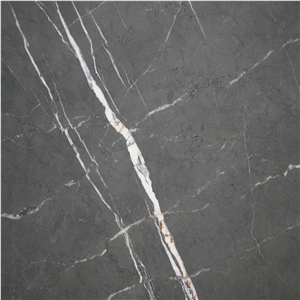
Silk Bayat Marble

Grey - Marble

Iran

About

Item Details

Material Type:
Marble
Origin:
Iran
Primary Color(s):
Grey
Recommended Usage:
kitchen and bathroom countertops, monuments, stairs, building stone, ornamental stone, interior, exterior wall and floor applications, mosaic, waterjet pattern
Additional Names:
Silk Grey Marble, Silk Bayat Marble
Finished Surface:
Polished,Bush Hammered,Tumbled,Brushed,Honed,Split,Machine Cut,Natural Surface,Sandblasted,Acid Washing,Combed,Leathered,Water Jet,Filled,Chiseled,Pickling

FAQ

Do I have to seal Silk Bayat Marble kitchen countertop every year?

Sealing natural stone countertops like Silk Bayat Marble is a common practice to protect the surface from stains and damage. However, the frequency of sealing can vary based on several factors: 1. **Type of Sealer**: Different sealers have varying durability. Some high-quality sealers might last for several years, while others might need reapplication annually. 2. **Usage**: If your kitchen countertops see heavy use, they might need more frequent sealing compared to countertops that are rarely used. 3. **Porosity of the Marble**: Marble is generally more porous than other stones like granite, which may require more frequent sealing. However, the specific porosity of Silk Bayat Marble can have an impact on how often it needs sealing. 4. **Testing for Sealing**: You can perform a simple water test to determine if your countertop needs sealing. Place a few drops of water on the surface. If the water soaks in quickly, the marble likely needs resealing. If it beads up, the seal is still effective. 5. **Manufacturers Recommendations**: Always refer to the care instructions provided by the manufacturer or installer for specific advice on maintaining your countertop. As a general guideline, many marble countertops benefit from being sealed once a year, but always assess your specific situation to determine the best maintenance schedule for your countertop.

Is 3/4" thick enough for a Silk Bayat Marble commercial countertop?

Using a 3/4 thick Silk Bayat Marble for a commercial countertop can be adequate, but there are several factors to consider before making a decision: 1. **Durability**: Marble, including Silk Bayat Marble, is softer and more porous compared to other natural stones like granite or quartz. In a high-traffic commercial environment, it may be prone to scratches, staining, and etching. Consider how the countertop will be used and whether it will be exposed to food acids, heavy objects, or frequent cleaning. 2. **Support**: A 3/4 thickness might require additional support to prevent sagging or breakage, especially for larger spans or overhangs. You may need to use additional bracing or support structures to ensure it can handle the weight and usage demands. 3. **Aesthetic**: Thicker countertops (such as 1 1/4 or more) are often preferred for their visual appeal in commercial settings. However, using a 3/4 slab with a built-up edge can provide the appearance of a thicker counter while maintaining a lighter weight. 4. **Cost and Installation**: Thinner slabs may be more cost-effective and easier to handle during installation, but keep in mind potential additional costs for extra support or edge treatments. 5. **Alternatives and Recommendations**: Its a good idea to consult with a professional who can evaluate your specific needs and environment. They may suggest using a thicker slab or a different material if durability and maintenance are concerns. Ultimately, whether 3/4 is sufficient depends on the specific application, the level of usage expected, and the design requirements.

What is the standard thickness of Silk Bayat Marble stair steps and risers?

The standard thickness for Silk Bayat Marble stair steps (also known as treads) and risers can vary depending on the specific requirements of a project and regional building codes. However, generally speaking: - **Stair Treads**: The typical thickness for marble stair treads, including those made from Silk Bayat Marble, is about 2 to 3 centimeters (approximately 3/4 to 1 1/4 inches). This thickness provides the necessary strength and durability for residential or commercial use. - **Stair Risers**: Risers are often thinner than treads, with a standard thickness ranging from 2 to 2.5 centimeters (approximately 3/4 to 1 inch). This is because risers do not need to support as much weight as the treads do. Its important to note that these are general guidelines, and actual requirements may vary. It would be best to consult with an architect or builder to determine the appropriate thickness for your specific project, ensuring it meets all safety standards and design preferences.

Can I use bleach when cleaning a Silk Bayat Marble kitchen countertop?

It is not recommended to use bleach on Silk Bayat Marble countertops or any natural stone surfaces. Marble is a porous material and can be easily damaged or stained by harsh chemicals such as bleach. Using bleach can lead to discoloration and etching on the marble surface. Instead, you should clean your Silk Bayat Marble countertop with a pH-neutral cleaner specifically designed for natural stone, or simply use a mixture of warm water and a mild dish soap. Be sure to use a soft cloth or sponge to avoid scratches, and always dry the surface thoroughly to prevent water spots. Regularly sealing the marble can also help protect it from stains and damage.

If I chop meat on a Silk Bayat Marble kitchen countertop, will it leave knife marks?

Silk Bayat Marble is a type of natural stone, and while marble is quite hard and durable, it is not as hard as some other countertop materials like granite or quartz. Marble is relatively softer and more susceptible to scratching and etching, especially when exposed to acidic substances. Chopping meat directly on a Silk Bayat Marble countertop could potentially leave knife marks or scratches, as knives are typically made of harder materials than marble. To protect your marble countertop from scratches and other damage, its recommended to use a cutting board whenever youre chopping or preparing food. This will extend the life of your countertop and maintain its appearance over time.

What does vinegar do to Silk Bayat Marble countertop?

Using vinegar on Silk Bayat marble countertops is not recommended because vinegar is acidic. Marble is a natural stone composed mainly of calcium carbonate, which reacts with acids. When vinegar, or any acidic substance, comes into contact with the marble, it can cause etching. Etching manifests as dull spots or marks on the surface and can damage the polished finish of the stone, making it look worn and less shiny. To maintain a Silk Bayat marble countertops appearance and longevity, its best to clean it with a pH-neutral cleaner specifically designed for use on marble, or simply use mild dish soap mixed with water. Always use a soft cloth or sponge, and avoid abrasive materials that might scratch the surface.

Can Iran's Silk Bayat Marble be used in a kitchen?

Yes, Irans Silk Bayat Marble can be used in a kitchen. Marble is a popular choice for kitchen countertops and other surfaces due to its durability, heat resistance, and elegant appearance. However, it is important to note that marble is a natural stone and can be porous, making it susceptible to staining. To protect the marble from potential stains, it is recommended to seal it regularly and clean up any spills or stains immediately.

Can Iran's Silk Bayat Marble be used exterior applications in very windy climates?

Irans Silk Bayat Marble is a type of marble that is generally known for its attractive appearance and durability. While it can be used for exterior applications, its suitability for very windy climates would depend on several factors. Marble, in general, is considered a durable material that can withstand various weather conditions. However, wind can pose particular challenges as it can carry abrasive particles such as dust, sand, or debris that could cause physical damage to the marbles surface over time. To assess the suitability of Silk Bayat Marble for exterior applications in very windy climates, it is recommended to consider the following factors: 1. Density and porosity: The density and porosity of the marble will influence its resistance to water absorption and the potential for damage caused by freeze-thaw cycles. It is important to choose a type of Silk Bayat Marble with low water absorption and durability suitable for outdoor use. 2. Surface finish: The type of surface finish applied to the marble can also affect its resistance to wind damage. Polished surfaces may be more susceptible to scratching or erosion in windy environments, while textured or honed finishes could potentially offer better resistance. 3. Maintenance: Regular cleaning and maintenance can help protect the marble from potential damage caused by wind-carried particles. Proper sealing and periodic resealing of the marble surface can also enhance its resistance to staining and weathering. 4. Installation technique: Proper installation techniques, such as using adequate mortar or adhesive systems, can help ensure the stability of exterior marble applications in windy conditions. Consulting with experienced professionals familiar with local weather conditions is advisable. Considering these factors, Silk Bayat Marble can be used for exterior applications in very windy climates, but it is essential to choose the appropriate type, ensure proper installation, and implement ongoing maintenance to maximize its durability and longevity.

Hot Grey Marble

New Marble

Post Your Request

The request includes:
  1. surface finished, size
  2. quantity required