Post Your Needs

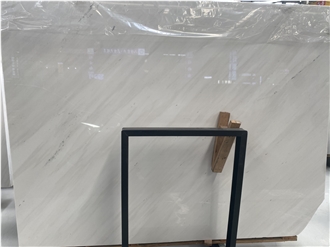
Sivec White A1 Marble

White - Marble

North Macedonia

About

Item Details

Material Type:
Marble
Origin:
North Macedonia (Sivec, Prilep)
Primary Color(s):
White
Recommended Usage:
Kitchen and bathroom countertops, monuments, building stone, ornamental stone, building stone, stairs, interior wall and floor applications, mosaic, waterjet pattern, wall panels, table tops, columns, fireplace surround
Additional Names:
Bianco Sevic Marble, Bianco Sivic Marble, Bianco Sivec Marble, Bianco Sivec Extra Marble, Makedonski Sivec Marble, Marmol Blanco Sivec, Branco Sivec Marble, Sivec Bianco Marble, Sivec Marble, Sivec White Marble, White Sivec Marble, Sivec White A2 Marble, Sivec White P1 Marble, Sivec White A Marble, Sivec White AB Marble, Sivec Pure White Special Marble, Yugoslavia Polaris Marble, Yugoslavia White Marble, in China stone market: 南斯拉夫白(Nánsīlāfū bái), Sivec White A1, Sivec White A1 Marble
Finished Surface:
Polished,Bush Hammered,Tumbled,Brushed,Honed,Split,Machine Cut,Natural Surface,Sandblasted,Combed,Leathered,Water Jet,Filled,Chiseled,Pickling

Testing

Water Absorption:
0.35 By volume %, 0.23 By Weight %
Density:
2780 - 2805 kg/m3
Flexural Strength:
9.4 - 9.6 MPa
Compressive Strength:
138.1 - 141.0 MPa

Description

Sivec White A1 Marble is a premium, pure white calcitic marble quarried in Prilep, North Macedonia. This marble is renowned for its immaculate white color, fine-grain texture, and subtle elegance, making it a highly sought-after material in the stone industry. Its pristine appearance, with minimal veining, creates a timeless and luxurious aesthetic suitable for a wide range of applications, including high-end flooring, countertops, wall cladding, and decorative features. The exceptional quality and purity of Sivec White A1 Marble ensure its durability and long-lasting beauty, making it an ideal choice for both residential and commercial projects.

Abrasion Resistance (after 1000 m) 6.58 mm 
Microhardness Knoop 321.6 Kg/mm2 

Mineralogical Composition:

  • Calcite: 99.5%
  • Dolomite: 0.3%
  • Quartz: 0.2%
  • Other minerals: trace amounts

FAQ

Can I put a hot pan on Sivec White A1 Marble?

While marble is heat resistant to a certain extent, it is not recommended to place a hot pan directly on Sivec White A1 Marble or any other marble surface. The extreme heat can potentially cause discoloration, cracking, or other damage to the marble. It is best to use a trivet or heat-resistant pad to protect the marble surface from heat damage.

Is Sivec White A1 Marble countertop heat resistant?

Sivec White A1 Marble is a natural stone material, and like most natural stones, it is heat resistant to some extent. However, it is still recommended to use hot pads or trivets to protect the surface from exposure to high temperatures. Direct contact with hot cookware or appliances can potentially damage the marble countertop.

What happens to Sivec White A1 Marble countertop if not sealed?

If the Sivec White A1 Marble countertop is not sealed, it is more susceptible to staining, etching, and damage from liquids and other substances. Without a protective sealant, the marble may absorb moisture, oils, and acids, leading to discoloration and dullness over time. Additionally, the surface may become more prone to scratches and can be harder to clean and maintain. Sealing the marble countertop helps to protect it and prolong its lifespan by creating a barrier against these potential hazards.

How thick should a Sivec White A1 Marble stair step be?

The thickness of a Sivec White A1 Marble stair step can vary depending on the specific design and structural requirements. However, a common thickness for marble stair steps is typically around 1-1.5 inches (2.54-3.81 cm). It is important to consult with a professional marble installer or contractor to determine the appropriate thickness for your specific project.

Is vinegar ok to use on Sivec White A1 Marble countertop?

It is generally not recommended to use vinegar on marble surfaces as it is an acidic substance that can etch or damage the stone over time. It is best to use a mild, pH-neutral cleaner specifically designed for marble countertops to clean and maintain the beauty of your Sivec White A1 Marble countertop.

How can I permanently seal Sivec White A1 Marble?

To permanently seal Sivec White A1 Marble, follow these steps: 1. Clean the surface: Before sealing the marble, make sure it is clean and free of any dirt, grime, or stains. Use a mild detergent and water to clean the surface and allow it to dry completely. 2. Choose a high-quality marble sealer: Select a high-quality, penetrating sealer specifically designed for marble surfaces. Make sure it is suitable for use on polished marble to avoid any damage to the surface. 3. Test the sealer: Before applying the sealer to the entire surface, test it on a small, inconspicuous area of the marble to ensure compatibility and desired results. 4. Apply the sealer: Follow the manufacturers instructions for applying the sealer to the marble surface. Use a clean, soft cloth or brush to evenly spread the sealer over the surface in a thin, uniform layer. 5. Allow the sealer to penetrate: Let the sealer penetrate the marble for the recommended amount of time specified by the manufacturer. This allows the sealer to bond with the marble and provide long-lasting protection. 6. Wipe off excess sealer: Once the sealer has penetrated the marble, use a clean, dry cloth to wipe off any excess sealer from the surface. This helps prevent streaks and buildup of the sealer on the marble. 7. Repeat the sealing process: Depending on the type of sealer used and the level of protection desired, you may need to reapply the sealer periodically. Follow the manufacturers recommendations for resealing the marble to maintain its durability and appearance. By following these steps and regularly maintaining your Sivec White A1 Marble, you can permanently seal and protect it from stains, spills, and damage.

How to remove scratches from Sivec White A1 Marble floor tiles?

Here are some steps you can take to remove scratches from Sivec White A1 Marble floor tiles: 1. Clean the area: Start by using a mild detergent or marble cleaner to clean the scratched area and remove any dirt or debris. Make sure to rinse the area thoroughly with water and dry it completely before proceeding. 2. Sanding: If the scratches are shallow, you can try gently sanding the affected area with fine-grit sandpaper (around 400-600 grit). Be gentle and use light pressure to avoid causing further damage to the marble. 3. Polishing: After sanding, you can use a marble polishing compound to buff out the scratches and restore the shine to the marble. Apply the polish to a clean, soft cloth and rub it onto the scratched area in circular motions. Continue buffing until the scratches are no longer visible and the marble has a uniform shine. 4. Sealing: Once the scratches are removed, its a good idea to seal the marble surface to protect it from future damage. Choose a high-quality marble sealer and follow the manufacturers instructions for application. 5. Preventing future scratches: To prevent new scratches from forming on your marble floor tiles, consider placing rugs or mats in high-traffic areas, using furniture pads to protect the surface from heavy items, and avoiding dragging or sliding items across the marble surface. If the scratches are deep or extensive, it may be best to consult a professional marble restoration expert to assess the damage and recommend the best course of action.

Does Sivec White A1 Marble kitchen countertop stain easily?

Sivec White A1 Marble is a high-quality natural stone that is known for its durability and resistance to staining. However, like any natural stone, it is still susceptible to staining if not properly sealed and maintained. It is recommended to seal the marble countertop regularly to prevent staining from spills and other liquids. Additionally, it is important to clean up any spills promptly to prevent them from seeping into the porous surface of the marble. With proper care and maintenance, Sivec White A1 Marble kitchen countertops should not stain easily.

Can North Macedonia's Sivec White A1 Marble be used exterior applications in cold climates?

Yes, North Macedonias Sivec White A1 Marble can be used for exterior applications in cold climates. This marble is known for its durability and resistance to extreme weather conditions. It can withstand freezing temperatures, snow, and ice without being damaged or deteriorating. However, it is always recommended to consult with a professional or marble supplier to ensure that the specific type and grade of Sivec White A1 Marble you are considering is suitable for your specific project and climate conditions.

Can North Macedonia's Sivec White A1 Marble be used in floor coverings?

Yes, North Macedonias Sivec White A1 Marble can be used in floor coverings. Its durability, unique patterns, and versatile shades make it a popular choice for flooring applications. It is commonly used in both residential and commercial projects for interior floors, including entrance halls, living rooms, bathrooms, and kitchens. However, it is important to note that marble is a natural stone and may require regular maintenance and sealing to preserve its appearance and prevent staining.

Customer reviews

Mar****

Lebanon, 2025-06-16

Good mornîg, We recently installed Bianco Sivec marble in the living and dining rooms. Unfortunately, the tiles were adhered directly—without an insulation layer—onto a hydronic underfloor heating (UFH) system, using Mapei Ultralite S2 adhesive. After using the heat yellow stains appeared on the surface Is there a way to salvage the situation? We are very concerned, as we can not risk damaging the UFH system, which runs throughout the residences, nor can we afford to lose the marble. We would greatly appreciate any guidance or recommendations on how to resolve this issue without compromising the heating system or the stone. Thank you in advance for your support. Regards Marie Thérèse
Helpful (0)

Customer reviews

Write a Review
Mar**** Lebanon

Good mornîg, We recently installed Bianco Sivec marble in the living and dining rooms. Unfortunately, the tiles were adhered directly—without an insulation layer—onto a hydronic underfloor heating (UFH) system, using Mapei Ultralite S2 adhesive. After using the heat yellow stains appeared on the surface Is there a way to salvage the situation? We are very concerned, as we can not risk damaging the UFH system, which runs throughout the residences, nor can we afford to lose the marble. We would greatly appreciate any guidance or recommendations on how to resolve this issue without compromising the heating system or the stone. Thank you in advance for your support. Regards Marie Thérèse

Helpful (0) 0Reply
Abd**** Saudi Arabia

Hello i want to know more information for Marble and size what is available and price list

Helpful (0) 0Reply

Products & Prices

View More

Hot White Marble

New Marble

Post Your Request

The request includes:
  1. surface finished, size
  2. quantity required