Post Your Needs

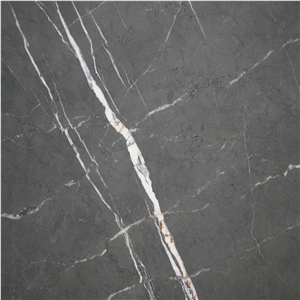
Skyros Argento Marble

Grey - Marble

Greece

About

Item Details

Material Type:
Marble
Origin:
Greece (Skyros Island)
Primary Color(s):
Grey
Recommended Usage:
Countertops, mosaic, exterior - interior wall and floor applications, fountains, pool and wall capping, stairs, window sills
Additional Names:
Skiros Argento Marble, Skyros Grey Marble, Skyros Silver Marble, Skyros Argento Marble
Finished Surface:
Polished, Sawn Cut, Sanded, Rockfaced, Sandblasted, Tumbled

Testing

Water Absorption:
0.10 - 0.14 %
Density:
2710 kg/m3
Flexural Strength:
23.0 - 25.0 MPa
Compressive Strength:
112.0 - 115.0 MPa

Description

Skyros Argento is a kind of lilac/silver grey marble extracted in Skyros Island - Greece. This stone is especially good for Countertops, mosaic, exterior - interior wall and floor applications, fountains, pool and wall capping, stairs, window sills and other design projects. It also called Skiros Argento Marble,Skyros Grey Marble, Skyros Silver Marble . Skyros Argento Marble can be processed into Polished, Sawn Cut, Sanded, Rockfaced, Sandblasted, Tumbled and so on.

FAQ

The hot pan left a mark on my Skyros Argento Marble kitchen countertop—how can I clean it?

Skyros Argento Marble is a beautiful but relatively soft and porous stone, which makes it susceptible to staining and etching, especially from heat. A hot pan can cause discoloration or an etched mark on the surface. Here are some steps you can take to try to clean or reduce the mark: 1. **Immediate Cleaning:** - If the mark is fresh, quickly clean the area with a mild dish soap and warm water using a soft cloth or a sponge. Avoid harsh chemicals that could worsen the etching. 2. **Baking Soda Paste:** - Make a paste with baking soda and water. Apply the paste gently to the mark, allowing it to sit for about 24 hours under a sealed piece of plastic wrap to prevent it from drying out. Baking soda is a mild abrasive, so gently rub it in a circular motion before rinsing it off with water and drying the area. 3. **Poultice Option:** - For deeper stains, you might need to use a poultice made from a commercial stain remover mixed with water (or a specific solvent, depending on the stain) to draw out the discoloration. Follow the manufacturers instructions carefully. 4. **Buffing and Polishing:** - If the mark is an etch and not a stain, polishing might be needed. You can use a marble polishing powder specific for etching, gently rubbing it over the mark with a soft damp cloth. Follow with buffing the area gently with another dry microfiber cloth. 5. **Professional Help:** - If home remedies dont work, it might be best to contact a professional stone care specialist. They can evaluate and treat the marble surface to restore its appearance. 6. **Preventive Measures:** - Once repaired, always use trivets or heat pads under hot cookware to prevent similar damage in the future. Regularly sealing your marble countertop can also help protect it from stains and etches. Always test any cleaning method on a small, inconspicuous area first to ensure it wont cause further damage to your marble.

If lemonade spills on a Skyros Argento Marble kitchen countertop, will it damage the surface?

Yes, lemonade can potentially damage a Skyros Argento Marble kitchen countertop. Like other marbles, Skyros Argento Marble is a natural stone that is prone to etching and staining from acidic substances like lemon juice. The acid in the lemonade can react with the calcium carbonate in the marble, leading to etching, which manifests as dull spots or discoloration on the surface. To prevent damage, its best to clean up spills immediately with a soft cloth or sponge and water. For added protection, ensure the marble is properly sealed, which can help minimize the risk of staining and etching. Regular maintenance and prompt care are essential to preserving the beauty of marble surfaces.

Can I use bleach when cleaning a Skyros Argento Marble kitchen countertop?

Using bleach on a Skyros Argento Marble kitchen countertop is not recommended. Marble is a natural stone that is sensitive to acidic and harsh chemical cleaners, including bleach. These substances can damage the surface, causing etching and discoloration. Instead, clean your marble countertop with a pH-neutral cleaner specifically designed for natural stone or use a mild dish soap and water solution. Always use a soft cloth or sponge to avoid scratching the surface, and be sure to wipe up any spills promptly to prevent staining. If in doubt, consult with the manufacturer or a stone care professional for specific care instructions tailored to your countertop.

If I cut meat directly on my Skyros Argento Marble kitchen countertop, will it damage the surface?

Cutting meat directly on your Skyros Argento Marble kitchen countertop is not recommended. Marble is a relatively soft and porous natural stone, which makes it susceptible to scratching and etching. Using a sharp knife directly on the surface can cause scratches and other types of damage. Additionally, marble can absorb liquids, which might lead to staining if meat juices or any other liquids are left on the surface. To protect your countertop, its best to use a cutting board when preparing food.

My Skyros Argento Marble kitchen countertop edge is broken. How can I glue it back, and will it look like before?

Repairing a broken marble countertop can be a delicate process, but it is possible to achieve a functional and aesthetically pleasing result. Here are the steps you can follow to attempt a repair: 1. **Gather Materials:** - Clear epoxy adhesive or marble repair kit - Clamps - Acetone or a similar cleaner - Soft cloths - Fine-grit sandpaper - Marble polish (optional) - Safety gloves and goggles 2. **Clean the Area:** - Thoroughly clean both broken edges with acetone or a similar cleaner to remove any dust, grease, or loose particles. This ensures a better bond. 3. **Dry Fit the Pieces:** - Before applying adhesive, dry fit the broken pieces together to ensure they align properly. 4. **Mix the Epoxy:** - If using a two-part epoxy, mix it according to the manufacturers instructions. Work quickly, as epoxy can set rapidly. 5. **Apply the Epoxy:** - Apply a thin layer of epoxy to both broken edges. Be sure to cover the entire surface without using too much, which can lead to excess cleanup. 6. **Join the Pieces:** - Carefully align and press the broken pieces together. Use clamps to hold the pieces in place while the epoxy cures. Protect the marble surface with cloth or wood shims when using clamps. 7. **Let it Cure:** - Allow the epoxy to set according to the manufacturers instructions. This typically takes 24-48 hours. 8. **Sand the Seam:** - Once the epoxy has fully cured, gently sand the seam with fine-grit sandpaper to make it flush with the rest of the marble surface. 9. **Polish the Surface (Optional):** - If desired, use a marble polish to restore shine to the repaired area and blend it with the rest of the countertop. 10. **Remove Excess Epoxy:** - If there is any excess epoxy on the countertop, carefully remove it using a razor blade or similar tool. **Will it Look Like Before?** - The success of the repair depends on the break and your execution. While you can generally achieve a smooth and solid repair, the seam might remain slightly visible. The natural variation in marble can help disguise minor imperfections. If aesthetics are critical, consider consulting a professional marble repair specialist for best results. Remember, working with epoxy and marble requires precision and patience. If youre unsure, it may be wise to hire a professional to ensure the countertop is repaired correctly.

If I use 1.2 cm thick Skyros Argento Marble as a table top, will it be strong enough? Will it break easily?

Using 1.2 cm thick Skyros Argento Marble for a tabletop is not recommended for several reasons. While marble is a naturally strong and durable stone, a thickness of 1.2 cm (approximately 0.47 inches) is relatively thin for a tabletop, especially if the table is expected to support significant weight or be used frequently. **Potential Issues:** 1. **Structural Integrity**: At 1.2 cm thickness, the marble may lack the necessary structural integrity to withstand everyday use without proper support. It is more prone to bending or breaking under stress or impact. 2. **Support Requirement**: You would need a very stable and evenly distributed support system beneath the marble to prevent it from flexing or cracking. Without adequate support, even small impacts or concentrated loads could result in cracks or breaks. 3. **Durability**: Marble is also susceptible to scratching, chipping, and staining, especially if not properly sealed and maintained. The thinner the marble, the more vulnerable it can be to damage. 4. **Cost of Replacement**: Marble is an expensive material, and if your tabletop were to crack or break, replacing it would be costly. **Recommendations:** - **Increase Thickness**: Consider using a thicker slab of marble, typically at least 2 cm or more, to ensure greater strength and durability. - **Additional Support**: Use a solid base or a substrate beneath the marble to provide additional support and prevent flexing. - **Alternative Materials**: If weight and strength are major concerns, you might also consider alternative materials or engineered stone options that can offer similar aesthetics with greater structural benefits. Ultimately, while the aesthetic appeal of Skyros Argento Marble can be a great asset to your space, ensuring its adequate thickness and support is crucial to prevent damage and ensure longevity.

What is the coefficient of friction of Chiseled Greece's Skyros Argento Marble tiles?

The coefficient of friction of Chiseled Greeces Skyros Argento Marble tiles will depend on various factors such as the surface finish, the presence of any sealants or coatings, and the specific conditions under which the tiles are being tested. Without specific information or test results, it is not possible to provide an accurate value for the coefficient of friction for these tiles.

Can Greece's Skyros Argento Marble be used in a dining room?

Yes, Greeces Skyros Argento Marble can definitely be used in a dining room. Its elegant and luxurious appearance makes it a popular choice for various interior applications, including dining room countertops, flooring, accent walls, and even dining room tables. The neutral tones and unique veining of the marble can add a touch of sophistication and timeless beauty to any dining room space.

Can Greece's Skyros Argento Marble be used exterior applications in very rainy climates?

Skyros Argento Marble is a type of marble that is known for its unique silver-grey color and veining. While it can be used for exterior applications, its suitability in very rainy climates depends on several factors. Marble is a natural stone and is generally susceptible to weathering and erosion over time. In very rainy climates, constant exposure to moisture and rainwater can potentially cause the marble to deteriorate quicker than in drier climates. However, the durability and resistance to moisture of Skyros Argento Marble can vary depending on its specific quality and finish. High-quality marbles that are properly sealed and maintained tend to be more resistant to moisture and can perform well in exterior applications even in rainy climates. If you are considering using Skyros Argento Marble for an exterior application in a very rainy climate, it is important to ensure proper installation, sealing, and regular maintenance. This includes using a suitable sealant to protect the marble from moisture penetration and avoiding the use of harsh chemicals or acidic cleaners that can cause damage. Consulting with a professional contractor or marble specialist in your area would be recommended to determine the specific recommendations for your project and to ensure the marble is appropriate for your specific climate and usage requirements.

Are there color variations of Greece's Skyros Argento Marble?

Yes, there are color variations of Greeces Skyros Argento Marble. The most common variation is a soft grey color with white veining, but you may also find variations with hints of cream or beige. The intensity and pattern of veining can vary as well, giving each slab a unique appearance.

Products & Prices

Hot Grey Marble

New Marble

Post Your Request

The request includes:
  1. surface finished, size
  2. quantity required