Post Your Needs

Skyros Silver Marble

Marble

Greece

About

Item Details

Material Type:
Marble
Origin:
Greece (Skyros Island)
Recommended Usage:
kitchen and bathroom countertops, wash basins, building stone, ornamental stone, stairs, interior, exterior wall and floor applications, mosaic, waterjet pattern, wall panels, table tops, balustrades, columns, wall and pool copings, pool pavers, sculptures, fireplaces, window sills
Additional Names:
Skyros Silver Dark Marble, Skyros Silver Gray Marble, Skyros Silver Grey Marble, Skyros Gray Marble
Finished Surface:
Polished,Bush Hammered,Tumbled,Brushed,Honed,Split,Machine Cut,Natural Surface,Sandblasted,Combed,Leathered,Water Jet,Filled,Chiseled,Pickling

Testing

Water Absorption:
0.20 – 0.35%
Density:
2680 – 2720 kg/m³
Flexural Strength:
10 – 15 MPa
Compressive Strength:
90 – 120 MPa

Description

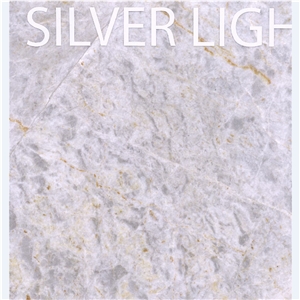
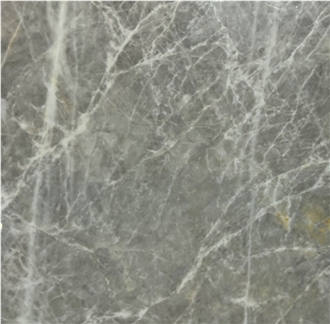
Color & Appearance: A refined, cool-toned marble featuring a soft silvery-gray to pale blue-gray background, enriched with elegant, flowing veining in white, light gray, and subtle hints of deeper blue or taupe. The pattern is typically linear to gently wavy, creating a calm, sophisticated visual movement with moderate variation between slabs.

Texture & Structure: Fine to medium-grained metamorphic limestone with a compact, crystalline structure. The surface is smooth and uniform when finished, with well-integrated veins and a cohesive matrix that provides a consistent and elegant texture.

Physical & Mechanical Properties (approx.):

  • Density: 2,680–2,720 kg/m³
  • Water Absorption: 0.20–0.35%
  • Compressive Strength: 90–120 MPa
  • Flexural Strength: 10–15 MPa
  • Abrasion Resistance: Moderate to good
  • Frost Resistance: Suitable with proper treatment
  • Mohs Hardness: 3–4

Chemical Composition (% by weight, approx.):

  • CaCO₃: 96–98%
  • MgCO₃: 0.5–1.5%
  • SiO₂: 0.5–1.5%
  • Fe₂O₃ + Al₂O₃: <0.5%

Mineralogical Composition (% by weight, approx.):

  • Calcite: 95–98%
  • Dolomite: 1–2%
  • Quartz & Micas: Trace
  • Accessory Minerals: Trace iron oxides and clays

Usage: Widely used for interior wall cladding, flooring, bathroom surfaces, staircases, decorative features, and light-duty countertops. Also suitable for exterior cladding in mild climates with proper sealing and installation.

Surface Finishes: Polished, honed, brushed, sandblasted, leathered, and antique finishes—each enhancing the veining and tonal depth differently.

Maintenance: Requires periodic sealing to protect against staining and moisture absorption. Clean with pH-neutral stone cleaners; avoid acidic or abrasive chemicals to preserve surface integrity and polish.

FAQ

The hot pan left a mark on my Skyros Silver Marble kitchen countertop—how can I clean it?

To address a mark left by a hot pan on your Skyros Silver Marble countertop, youll want to proceed carefully to avoid damaging the marble further. Here’s a step-by-step guide you can follow: 1. **Cool the Area**: Make sure the area is completely cool before attempting any cleaning or treatment. 2. **Clean the Surface**: Use a soft cloth or sponge with a pH-neutral cleaner or a mild dish soap mixed with water. Gently clean the area to remove any surface debris or residue. 3. **Identify the Mark Type**: Determine if the mark is a stain, etching, or scorch mark: - **Etching**: A dull spot usually caused by acids reacting with the marble. - **Scorch Mark**: A darkened or discolored spot can be from direct heat. 4. **Stain Removal**: If it appears to be a stain, try making a paste of baking soda and water. Apply it to the area, cover with plastic wrap (taping down the edges), and let it sit for 24 hours. Remove the paste with a damp cloth and rinse thoroughly. 5. **For Etching**: If it is etched or dull, you may need to use a marble polishing powder or a dedicated marble polishing product. Follow the instructions on the product, usually involving dampening the area, applying the powder, and gently buffing it with a soft cloth. 6. **Professional Help**: If the mark is still visible or if it’s a scorch mark, which is harder to deal with, consider hiring a professional. Marble restoration experts have specialized tools and compounds that can often restore the look of marble surfaces. 7. **Prevention Tips**: Once restored, try to prevent future incidents by using trivets or heat pads for hot cookware and promptly cleaning up spills, especially acidic ones. Always test any cleaning method on an inconspicuous area first to ensure it doesn’t damage the marble further.
If lemonade spills on a Skyros Silver Marble kitchen countertop, will it damage the surface?

Skyros Silver Marble, like other marble surfaces, is a natural stone that is susceptible to etching and staining from acidic substances such as lemon juice. When lemonade spills on a marble countertop, the acidic content can cause etching—a chemical reaction that can dull the surface and leave a mark. To prevent damage, its important to clean up lemonade spills immediately using a soft cloth and a mixture of water and mild, pH-neutral dish soap. Avoid using abrasive cleaners or vinegar, as these can further harm the marble. For long-term protection, consider sealing the marble regularly to help prevent liquid absorption and staining.

Can I use bleach when cleaning a Skyros Silver Marble kitchen countertop?

Using bleach on a Skyros Silver Marble countertop is not recommended. Marble is a natural stone and is sensitive to acidic and harsh cleaning agents like bleach, which can cause etching, dullness, or discoloration. Instead, use a pH-neutral cleaner specifically designed for natural stone or a mild dish soap diluted in water. Always use a soft cloth or sponge to clean, and avoid abrasive pads or cleaners. Additionally, make sure to wipe up spills promptly and use coasters or mats to protect the surface from potential staining agents.

If I cut meat directly on my Skyros Silver Marble kitchen countertop, will it damage the surface?

Cutting meat directly on your Skyros Silver Marble kitchen countertop is not recommended, as it can potentially damage the surface. Marble is more prone to scratches, etching, and staining compared to other countertop materials. Using a cutting board is advisable to protect the marble from scratches and to preserve its appearance. Additionally, using a cutting board helps maintain hygiene by preventing direct contact with raw meat, which can leave behind bacteria that might seep into the porous surface of the marble.

My Skyros Silver Marble kitchen countertop edge is broken. How can I glue it back, and will it look like before?

Repairing a broken marble countertop edge can be a delicate task, but with careful work, you can often achieve an acceptable repair. Here’s a step-by-step guide on how to glue it back: 1. **Preparation**: - Clean the broken edges thoroughly with soap and water to remove any dirt or grease. Allow them to dry completely. - Gather your materials: Youll need a two-part epoxy (specifically designed for stone), painters tape, clamps, and perhaps a polishing kit. 2. **Alignment and Testing**: - Dry-fit the pieces to ensure they align properly and that no small chips are missing or need to be filled. 3. **Mixing the Epoxy**: - Follow the manufacturers instructions to mix the epoxy. It’s crucial that the mix is done correctly for a strong bond. 4. **Application**: - Apply the epoxy to both broken edges using a small tool like a spatula or a putty knife. Be generous, but try to avoid excessive amounts to minimize cleanup later. 5. **Joining the Pieces**: - Press the pieces together firmly and ensure a tight fit. Clean off any excess epoxy immediately with a cloth. 6. **Securing**: - Use clamps to hold the pieces together securely. If clamps can’t be used, heavy objects or weights might be placed on top instead, making sure they don’t cause the pieces to shift. 7. **Curing**: - Allow the epoxy to cure for the amount of time specified by the manufacturer. This can range from a few hours to 24 hours. 8. **Finishing Up**: - Once cured, gently scrape away any excess epoxy with a razor blade or a similar tool. - Use a polishing kit to blend the repair section with the rest of the countertop. Buffing might restore some shine, but it might not be a perfect match. 9. **Sealing**: - Once polished, reseal the marble to protect the repair and the entire surface from stains and damage. Will it look like before? The effectiveness of the repair greatly depends on the precision of the work and the condition of the break. Professional restoration might be required if the damage is extensive, or if you desire a near-perfect finish. Even with the best DIY efforts, some visual difference might remain visible, especially with intricate stone patterns like those on Skyros Silver Marble. If aesthetics are critical, consulting a professional might be the best course of action.

If I use 1.2 cm thick Skyros Silver Marble as a table top, will it be strong enough? Will it break easily?

Using 1.2 cm thick Skyros Silver Marble as a tabletop can be somewhat precarious due to the material’s inherent characteristics and the thickness youre considering. Marble is a beautiful natural stone known for its elegance and uniqueness, but it is also relatively soft and brittle compared to other stone options like granite. Here are some factors to consider: 1. **Thickness**: At 1.2 cm (approximately 0.47 inches), the marble is quite thin for a tabletop. Thicker slabs, typically around 2 cm (0.78 inches) or more, are generally used for furniture surfaces to ensure adequate strength and durability. 2. **Support Structure**: The support beneath the marble is crucial. If the tabletop has sufficient support throughout, especially in the form of a solid base or frequent under supports, it may help prevent breaking. 3. **Usage**: Consider how the table will be used. Heavy objects, frequent movement, or impacts could increase the risk of damage or breakage in a thinner piece of marble. 4. **Span and Size**: The larger the table and the longer the span without support, the more prone the thinner marble will be to bending or breaking. 5. **Edge Finishes and Treatments**: Adding a reinforced edge treatment, such as a laminated edge, can provide additional strength and reduce the risk of chipping. 6. **Care and Maintenance**: Marble requires regular maintenance, including sealing and careful cleaning, to preserve its appearance and structural integrity. For practical and long-term use, consider using a thicker slab if possible or consulting with a structural engineer or a marble fabricator to ensure that the design and supporting structure are adequate for the intended use. Adding support and ensuring proper installation will help mitigate the risk of your 1.2 cm thick marble top breaking.

Products & Prices

View More

Hot Marble

New Marble

Post Your Request

The request includes:
  1. surface finished, size
  2. quantity required