Post Your Needs

Suli Blue Marble

Marble

Namibia

About

Item Details

Material Type:
Marble
Origin:
Namibia (Otjiwarongo, Damara, Otjozondjupa Region)
Recommended Usage:
Kitchen and bathroom countertops, wash basins, building stone, ornamental stone, stairs, interior, exterior wall and floor applications, mosaic, waterjet pattern, wall panels, table tops, balustrades, columns, wall and pool copings, pool pavers, sculptures, fireplaces
Additional Names:
Namib White Marble, Damara White Marble, Solaris White Marble, Oasis Blue-White Marble, Oasis White Marble, in China stone market:苏里蓝(sū lǐ lán)
Finished Surface:
Polished,Bush Hammered,Tumbled,Brushed,Honed,Split,Machine Cut,Natural Surface,Sandblasted,Combed,Leathered,Water Jet,Filled,Chiseled,Pickling

Testing

Water Absorption:
0.06%
Density:
2610 Kg/m³
Flexural Strength:
10.2 MPa
Compressive Strength:
115 MPa

Description

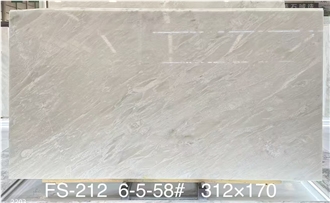
Suli Blue Marble, also known as Namib White Marble, is a luxurious calcitic dolomite marble quarried in the Otjiwarongo area of the Otjozondjupa Region, Namibia. It is prized for its elegant white appearance, featuring soft ice-white shades and subtle veining patterns that create a timeless, sophisticated look.

Appearance & Texture

  • Base Color: Pristine white to creamy white
  • Veining: Delicate, soft ice-white to light gray veins, sometimes with subtle beige undertones
  • Pattern: Cloudy, translucent appearance with natural variations; each slab is unique
  • Surface Feel: Smooth and cool to the touch, with a fine-grained texture

Technical Properties

  • Bulk Density: ~2.61 g/cm³
  • Water Absorption: ~0.06%
  • Compressive Strength: ~115 MPa
  • Flexural Strength: ~10.2 MPa
  • Mohs Hardness: ~5
  • Tensile Strength: ~0.89 MPa

Chemical & Mineral Composition

  • Calcium Carbonate (CaCO₃): 92–95%
  • Silica (SiO₂): 1–2%
  • Alumina (Al₂O₃): 0.5–1%
  • Iron Oxide (Fe₂O₃): 0.2–0.5%
  • Magnesium Oxide (MgO): 0.2–0.8%
  • Other trace minerals: <1%

Mineralogy:

  • Calcite: ~95%
  • Quartz: 1–2%
  • Mica/Other silicates: 1–3%

Surface Finish Options

  • Polished: High-gloss finish enhancing natural luster
  • Honed: Matte, smooth finish
  • Satin: Soft sheen between polished and honed
  • Brushed: Lightly textured surface
  • Tumbled: Aged appearance with softened edges

Standard Cutting Sizes

Slabs: 2800 × 1800 mm, thicknesses 20 mm and 30 mm

Tiles:

  • 305 × 305 mm (12”x12”),
  • 406 × 406 mm (16”x16”),
  • 457 × 457 mm (18”x18”),
  • 610 × 610 mm (24”x24”),

thicknesses 20 mm and 30 mm

Countertops: Standard dimensions such as 96" × 26", 96" × 36", 108" × 26", thicknesses 3/4"–1 1/2"

Common Applications

  • Residential: Kitchens (countertops), bathrooms (vanities, shower walls), flooring, decorative features (fireplaces, accent walls)
  • Commercial: Hotels, offices, retail spaces, museums, and public buildings
  • Outdoor Features: Exterior cladding, sculptures (requires proper sealing)
  • Landscaping: Decorative stones, garden features

Maintenance Recommendations

  • Clean regularly with mild, pH-balanced soap or marble cleaner
  • Wipe spills promptly; avoid acidic cleaners
  • Seal every 6–12 months to reduce absorption of water and stains
  • Use cutting boards and avoid dragging heavy items to prevent scratching

FAQ

Does the surface of Suli Blue Marble scratch easily?

Suli Blue Marble, like many natural stones, can be susceptible to scratching, especially when exposed to abrasive materials or heavy use. Marble is generally softer than some other natural stones, such as granite, making it more prone to scratches and etching. To minimize the risk of scratching, its advisable to use cutting boards, place mats, and protective pads under heavy objects. Additionally, regular sealing and maintenance can help protect the marble surface and preserve its appearance.

Can polished finish Suli Blue Marble be used for pool coping?

Yes, polished finish Suli Blue Marble can be used for pool coping, but there are some considerations to keep in mind. Marble is a porous natural stone, so its susceptible to staining, weathering, and can become slippery when wet. For pool coping, it is essential to ensure the stone is sealed properly to protect against water absorption and to prevent staining from pool chemicals. Additionally, because polished surfaces can be slippery, it might be wise to consider a honed or textured finish for better slip resistance if safety is a concern. Its also a good idea to consult with a professional to ensure the stone is suitable for your specific pool environment and that it is installed correctly.

Can Suli Blue Marble be used for kitchen countertop?

Suli Blue Marble can be used for kitchen countertops, but there are a few considerations to keep in mind. Marble, including Suli Blue Marble, is a beautiful and luxurious natural stone with unique veining and coloration, which makes it a popular choice for countertops. However, marble is also softer and more porous than other materials like granite or quartz. Here are some factors to consider if youre thinking about using Suli Blue Marble for a kitchen countertop: 1. **Durability**: Marble is prone to scratching, chipping, and etching when exposed to acidic substances such as lemon juice, vinegar, and some cleaning products. It requires careful maintenance to keep its appearance over time. 2. **Porosity**: Marble is more porous than other stones, meaning it can absorb liquids and potentially stain if not properly sealed. Regular sealing is necessary to protect the surface from spills and stains. 3. **Maintenance**: Marble countertops require regular maintenance, including sealing, polishing, and careful cleaning with pH-neutral products to preserve their appearance. 4. **Aesthetics**: Marble offers a timeless, elegant look and can add significant value to a kitchen design. Its unique patterns and colors can serve as a focal point in your kitchen. 5. **Cost**: Marble can be more expensive compared to other countertop materials, both in terms of initial costs and potential maintenance or repair expenses. If you decide to use Suli Blue Marble in your kitchen, it’s important to commit to diligent care and maintenance to preserve its beauty and functionality over time.

Can Suli Blue Marble be used for stair steps?

Suli Blue Marble is a type of marble known for its distinctive and attractive appearance, often characterized by blue or bluish-grey hues with veins and patterns. While it can potentially be used for stair steps, there are several factors to consider: 1. **Durability:** Marble, in general, is softer and more porous than other natural stones like granite. This means it can be prone to scratching, chipping, and staining, especially in high-traffic areas like staircases. Consider whether the stair location will expose the marble to heavy wear and tear. 2. **Finish:** The finish of the marble can affect its suitability for stair steps. A polished finish may become slippery, especially when wet, posing a safety risk. A honed or textured finish might be more appropriate to provide better traction. 3. **Maintenance:** Marble requires regular maintenance to keep it looking its best. It may need periodic sealing to protect against staining, and any spills should be cleaned up promptly. Consider if you are willing to commit to the maintenance required. 4. **Aesthetic Considerations:** As a decorative stone, Suli Blue Marble can add an elegant and luxurious look to a space. Ensure it complements the overall design and style of the area where the stairs are located. 5. **Cost:** Marble can be expensive, both in terms of the material itself and the installation costs. Evaluate your budget to ensure it aligns with the cost of using Suli Blue Marble for your stair steps. If you decide that Suli Blue Marble is appropriate for your stair steps, it is advisable to consult with a professional installer to ensure proper installation and to discuss any necessary safety considerations.

Does coffee stain the surface of Suli Blue Marble?

Suli Blue Marble is a natural stone and, like most marbles, its porous and can be susceptible to staining, including from substances like coffee. The porous nature of marble allows liquids to penetrate the surface if they are not wiped up promptly, potentially leading to a stain. To protect Suli Blue Marble from coffee stains and other substances, its often recommended to seal the marble periodically. Sealing creates a protective layer that helps prevent liquids from penetrating the surface. Additionally, cleaning spills immediately with a damp cloth and avoiding acidic or abrasive cleaners will help maintain the appearance of the marble.

Can Suli Blue Marble be used for a commercial bar top?

Suli Blue Marble can be used for a commercial bar top, but there are a few considerations to keep in mind. Marble is a natural stone that offers a beautiful and unique appearance, which can enhance the aesthetic appeal of a bar. However, it is also a porous material, which means it can be susceptible to staining and etching from acidic substances, such as citrus juices or alcohol. For a commercial bar top, which is likely to see heavy use and potential spills, it is essential to take certain precautions: 1. **Sealing**: Ensure the marble is properly sealed to help protect it against stains and spills. Depending on the level of use, the sealant may need to be reapplied regularly. 2. **Care and Maintenance**: Implement a regular cleaning routine using a pH-neutral cleaner to avoid damaging the surface. Immediate clean-up of spills is recommended. 3. **Durability**: Consider the durability of the material in a high-traffic environment. Marble can scratch or chip, so it might require more maintenance compared to harder materials like granite or quartz. 4. **Design Considerations**: Ensure the aesthetic aligns with the overall design of the bar. The unique patterns and colors of Suli Blue Marble can add visual interest. Ultimately, while Suli Blue Marble can be used for a commercial bar top, it requires mindful use and regular maintenance to keep it looking its best. If the maintenance concerns outweigh the aesthetic benefits, you might want to consider alternative materials better suited for heavy use.

Is Suli Blue Marble a suitable choice for exterior wall?

Suli Blue Marble can be a suitable choice for exterior wall applications, depending on several factors. Its important to consider the following: 1. **Durability**: Ensure that the specific type of marble is suitable for outdoor use. Some marbles can withstand weather and environmental conditions better than others. 2. **Climate**: Consider your local climate. Variations in temperature, particularly freeze-thaw cycles, can affect the integrity of marble over time. 3. **Finishing**: A honed or leather finish may be more suitable for exteriors than a polished finish, as it might better withstand weathering and reduce the risk of slipping if it gets wet. 4. **Maintenance**: Marble requires maintenance, such as sealing, to protect it from stains and weather damage. 5. **Aesthetic**: Suli Blue Marble has a distinctive appearance which should align with your design goals. 6. **Cost**: Consider the cost, including installation and maintenance, to ensure it fits your budget. Its always a good idea to consult with a local architect or contractor familiar with the material and your specific requirements to determine if Suli Blue Marble is the right choice for your project.

Does red wine stain the surface of a Suli Blue Marble kitchen countertop?

Red wine can indeed stain the surface of a Suli Blue Marble kitchen countertop. Marble is a porous natural stone that can absorb liquids and is susceptible to etching and staining, especially from acidic substances like wine, citrus juices, and vinegar. To minimize the risk of staining, its essential to clean up spills immediately. You can also apply a quality sealant to your marble countertop to provide a protective barrier; however, remember that sealant only helps in delaying the absorption and isnt foolproof. Regular resealing may be necessary depending on usage and the type of sealant applied. If a stain does occur, there are specific marble cleaning products and methods to help remove it, but always test any cleaning solution on a small, inconspicuous area first to ensure it wont damage the marble.

Can Suli Blue Marble be used in a steam room? How does moisture and heat affect the tile surface?

Suli Blue Marble can be used in a steam room, but there are some considerations to keep in mind. Marble is a natural stone that is known for its beauty and elegance, but it can be susceptible to damage from moisture and heat if not properly cared for. 1. **Porosity:** Marble is porous, which means it can absorb water and other liquids. This can lead to staining, especially if the marble is not sealed correctly. In a steam room, where there is a high level of humidity, it is essential to ensure that the marble is well-sealed to prevent moisture penetration. 2. **Heat:** While marble can withstand heat, prolonged exposure to high temperatures in steam rooms can potentially lead to thermal shock or cause any existing cracks to widen. However, this is more of a concern for flooring than walls, as floors might experience rapid temperature changes when water is introduced. 3. **Maintenance:** Regular sealing is necessary to protect the marble from moisture-related issues. Additionally, it is important to use cleaning products specially formulated for natural stone to avoid damage to the surface. 4. **Aesthetics and Durability:** Over time, exposure to the conditions in a steam room might lead to a change in the appearance of the marble, such as dulling or etching. Regular maintenance and proper sealing can help mitigate this. If you choose to use Suli Blue Marble in a steam room, it is highly recommended to consult with a professional for proper installation and to use a high-quality sealant to protect the marble. Regular maintenance and care will also help in preserving the tiles appearance and longevity.

Products & Prices

Hot Marble

New Marble

Post Your Request

The request includes:
  1. surface finished, size
  2. quantity required