Post Your Needs

Sunk Pinolith Marble

Grey - Marble

Austria

About

Item Details

Material Type:
Marble
Origin:
Austria (Sunk, Trieben, Steiermark)
Primary Color(s):
Grey
Recommended Usage:
Kitchen and bathroom countertops, wash basins, building stone, ornamental stone, stairs, interior, exterior wall and floor applications, mosaic, waterjet pattern, wall panels, table tops, balustrades, columns, wall and pool copings, pool pavers, sculptures, fireplaces, window sills
Additional Names:
Sunk Magnesite Rock, Sunk Marmor, Sunk Pinolith
Finished Surface:
Polished,Bush Hammered,Tumbled,Brushed,Honed,Split,Machine Cut,Natural Surface,Sandblasted,Combed,Leathered,Water Jet,Filled,Chiseled,Pickling

Testing

Water Absorption:
0.10 - 0.22 %
Density:
2940 - 2980 kg/m3
Compressive Strength:
91.0 MPa
Stone texture:
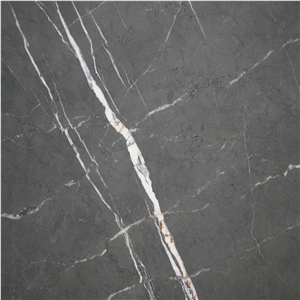
a distinctive decorative stone characterized by a dark grey to black background with scattered white to light-grey oval or elongated crystals that resemble pine nuts, creating a striking natural pattern that gives the stone its name “Pinolith.” The overall appearance is bold and decorative, with high contrast between the dark matrix and the lighter magnesite inclusions, sometimes showing subtle grey or brownish tones depending on the quarry section. In terms of texture and structure, it is a metamorphic magnesite-based rock composed mainly of magnesite, dolomite, and graphite, forming a compact, crystalline structure with moderate grain size and a dense, massive formation. This stone still being quarried but only in limited quantities. Sunk Pinolith originates from the Sunk Valley near Trieben in Styria, Austria, where magnesite deposits containing this stone occur. Large-scale magnesite mining in the area operated for many decades but stopped in 1991, and later selective extraction of pinolith resumed around 2013 under new management, mainly for decorative stone and specialty uses rather than continuous large-volume quarry production.

Description

Sunk Pinolith Marble is an eye-catching decorative stone sourced from the Sunk Valley near Trieben in Styria, Austria. Renowned for its unique appearance, this metamorphic rock features a dark grey to black matrix accented with white to light-grey, pine nut-like magnesite inclusions. This bold contrast makes it a sought-after material for decorative and specialty uses. Despite its striking appearance, it is produced in limited quantities due to the selective extraction process adopted since 2013.

Physical and Mechanical Properties:

  • Water Absorption: 0.10 - 0.22%
  • Density: 2940 - 2980 kg/m³
  • Flexural Strength: Information may vary depending on specific quarry tests.
  • Compressive Strength: 91.0 MPa
  • Hardness: Exhibits moderate hardness typical of marble, allowing for both workability and durability.
  • Porosity: Generally low, contributing to its dense structure.
  • Slip Resistance: May require surface treatment to enhance slip resistance, particularly when polished.

Chemical and Mineral Composition:

  • Magnesite: The primary component, offering distinctive light inclusions.
  • Dolomite: Contributes to the overall strength and structure.
  • Graphite: Provides the dark background color.
  • Other Trace Minerals: May include silica and iron oxides affecting slight color variations.

Usage:

  • Decorative Surfaces: Ideal for interior applications such as wall cladding, fireplace surrounds, countertops, and decorative accents.
  • Specialty Installations: Used in sculptural pieces or bespoke architectural elements due to its distinctive appearance.
  • Flooring: Suitable for low-traffic areas where visual impact is desired over functional durability.

Maintenance:

  • Regular cleaning with a pH-neutral cleaner to prevent etching and maintain shine.
  • Periodic resealing to preserve the surface finish and prevent staining, depending on the finish used.
  • Ensure protective mats or pads are used under heavy furniture to prevent scratching.

Common Surface Finish Options:

  • Polished: Enhances the visual contrast and highlights the natural pattern.
  • Honed: Offers a matte finish for a more subdued appearance.
  • Leathered: Provides a textured surface, increasing slip resistance and adding a tactile quality.
  • Brushed: Creates a soft, aged appearance with a slight texture.

Sunk Pinolith Marble's unique aesthetic and localized production make it a distinctive choice for high-end, bespoke projects where individuality and natural beauty are paramount. Its physical properties ensure it has both decorative appeal and the necessary durability for various interior applications.

FAQ

Can Austria's Sunk Pinolith Marble be used exterior applications in hot climates?

Pinolith marble is a type of marble that is found in Austria, specifically in the region known as the Styrian Erzberg. It is characterized by its unique pattern of white or gray background with black, brown, or grayish spots or eyes. While pinolith marble is generally suitable for interior applications such as countertops, flooring, or wall cladding, it may not be the best choice for exterior use in hot climates. Marble is a metamorphic rock which is formed by the recrystallization of limestone under high pressure and temperature. It is composed primarily of calcium carbonate and is known for its relatively low heat resistance. In hot climates, particularly those with intense sunlight and high temperatures, marble can be prone to thermal expansion and contraction, which can lead to cracking, discoloration, and overall deterioration of the stone. This is especially true for dark-colored marbles, like pinolith, which absorb more heat from the sun. Therefore, it is generally recommended to choose more heat-resistant and durable materials, such as granite or certain types of engineered stones, for exterior applications in hot climates. These materials have better resistance to thermal stress and are less likely to suffer damage from sun exposure and high temperatures. If you still wish to use pinolith marble for exterior applications in a hot climate, it is essential to ensure proper installation and maintenance. This includes sealing the stone to minimize water absorption and applying a protective coating or finish to help mitigate the effects of heat and sunlight. Regular cleaning and maintenance should also be performed to keep the marble in its best condition. It is advisable to consult with a professional stone supplier or contractor to assess the specific conditions of your project and obtain their expert advice on the suitability of pinolith marble for exterior use in a hot climate.

What is the coefficient of friction of Combed Austria's Sunk Pinolith Marble tiles?

I apologize, but I couldnt find any specific information about the coefficient of friction of Combed Austrias Sunk Pinolith Marble tiles. The coefficient of friction can vary depending on various factors, such as the surface finish, texture, and angle of inclination. It would be best to reach out to the manufacturer or supplier of these tiles for accurate and specific information regarding their coefficient of friction.

Can Austria's Sunk Pinolith Marble be used in landscaping?

Yes, Austrias Sunk Pinolith Marble can be used in landscaping. Pinolith marble is a unique and attractive stone that features a black background with white and grey markings, resembling small pine cones. Its distinctive pattern and color make it a popular choice for decorative purposes in landscaping projects. Pinolith marble can be used in various landscaping applications such as pathways, patios, garden borders, and as decorative elements in outdoor spaces. Its natural beauty and durability make it suitable for both residential and commercial landscaping projects. Additionally, pinolith marble is known for its low maintenance requirements, as it is a durable and long-lasting material. It can withstand different weather conditions and is resistant to staining, making it well-suited for outdoor use. When using pinolith marble in landscaping, it is important to consider proper installation techniques to ensure its longevity. Consulting with a professional landscaper or stone supplier will help determine the best uses, installation methods, and maintenance practices to make the most of Austrias Sunk Pinolith Marble in a landscaping project.

Can Austria's Sunk Pinolith Marble be used in a bathroom?

Yes, Austrias Sunk Pinolith Marble can be used in a bathroom. Marble is a popular choice for bathroom surfaces due to its durability, elegant appearance, and resistance to moisture. However, it is important to note that marble is a natural stone and can be porous, making it susceptible to staining if not properly sealed and maintained. Regular sealing and cleaning is necessary to ensure its longevity and prevent any damage from water or soap.

Are there color variations of Austria's Sunk Pinolith Marble?

Yes, there are color variations of Austrias Sunk Pinolith Marble. While the primary color is typically a creamy beige or light brown, variations include grey tones, darker brown shades, and occasional reddish hues. These color variations depend on the specific quarry and the geological composition of the marble in different regions.

Is Austria's Sunk Pinolith Marble an expensive stone?

Yes, Austrias Sunk Pinolith Marble is considered an expensive stone. It is not only because of its rarity but also because of its unique and distinct color pattern of white and gray. The price of the stone can vary depending on factors such as quality, size, and finish. However, overall, it is regarded as a high-end and luxurious material.

Hot Grey Marble

New Marble

Post Your Request

The request includes:
  1. surface finished, size
  2. quantity required